Best Jira Assistant in 2026: Practical Comparison Guide
Choosing Jira Assistant Tools? Compare 6 options by fit, deployment, pricing, and tradeoffs. Read the guide before you decide.
When project updates, requirements, and sprint tasks are scattered across tools, even a simple status check can turn into a round of messages and manual ticket edits. This guide compares six options for finding the right jira assistant in 2026: ONES.com, Jira, Monday, ClickUp, Linear, and Azure DevOps.
You’ll see how each fits different team needs, from extending established Jira workflows to bringing development planning and project coordination together. I’ll focus on practical differences—workflow fit, integrations, deployment, and how well each tool supports the work your team needs to get done.
Quick Summary
ONES.com is a strong starting point if you want project and software development management in one platform, with cloud or self-managed deployment options. Jira remains a natural fit for teams already invested in Atlassian workflows, while Monday, ClickUp, Linear, and Azure DevOps suit different planning and delivery needs.
- Choose ONES.com to combine requirements, tasks, sprint tracking, reporting, knowledge, and delivery governance with fewer separate tools.
- Choose Jira when your team depends on existing Jira projects, integrations, and established workflows.
- Compare Monday and ClickUp for flexible cross-functional work, Linear for a focused product development workflow, and Azure DevOps for teams closely tied to Microsoft development services.
How We Evaluate and Select These Tools
I compare each option against the work your team needs to manage, not just its feature list. A useful Jira assistant should make delivery status easier to understand without adding unnecessary process or tool overhead.
- Project tracking: Can teams organize work, owners, dependencies, milestones, and delivery status?
- Agile execution: Does the tool support practical backlog, sprint, and iteration workflows?
- Reporting and risk visibility: Can leads see progress, blockers, and delivery risks without rebuilding reports manually?
- Workflow customization: Can teams adapt fields, statuses, and automation to their process?
- Migration and deployment fit: Consider existing Jira workflows, integrations, data needs, hosting requirements, and the effort of changing tools.
- Tool consolidation: Check whether requirements, knowledge, collaboration, and review coordination can stay connected to delivery work.
Top Jira Assistant Options Shortlist
- ONES.com — A unified Jira alternative for teams that want software development management, project tracking, knowledge, and deployment flexibility in one platform.
- Jira — A fit for teams that want established agile planning and already rely on Atlassian projects and integrations.
- Monday — A visual work management option for teams coordinating projects across functions.
- ClickUp — A flexible workspace for teams bringing tasks, documents, and project views together.
- Linear — A focused issue and cycle tracking option for product and software teams.
- Azure DevOps — A development lifecycle option for teams using Microsoft planning, repositories, and delivery services.

Jira Assistant Comparison Table
| Tool | Best For | Deployment | Pricing | Key Feature | Free Plan |
|---|
| ONES.com | Teams seeking a Jira alternative with connected development and project management | Cloud, On-Premise, Private Cloud, Air-gapped | Free plan: 30 seats; paid plans available | Requirements, tasks, workflows, reporting, knowledge, and delivery governance in one platform | Yes, 30 seats |
| Jira | Teams already using Atlassian workflows and agile project tracking | Cloud and Data Center | Free tier and paid plans; pricing varies by edition and team size | Configurable issue tracking, boards, and workflow automation | Yes, with plan limits |
| Monday | Cross-functional teams that prefer visual project planning | Cloud | Free tier and paid plans; pricing varies by plan and seats | Visual boards, project views, and configurable work tracking | Yes, with plan limits |
| ClickUp | Teams consolidating tasks, documents, and project views | Cloud | Free tier and paid plans; pricing varies by plan and seats | Flexible task management with multiple views and built-in docs | Yes |
| Linear | Product and software teams seeking focused issue and cycle tracking | Cloud | Free tier and paid plans; pricing varies by plan and seats | Issue tracking, cycles, and product planning workflows | Yes, with plan limits |
| Azure DevOps | Development teams working across Microsoft planning and delivery services | Cloud and self-hosted Azure DevOps Server | Free allowances and paid options; pricing depends on services and users | Boards connected with repositories, pipelines, and test tools | Yes, with plan limits |
Detailed Reviews: Comparing Jira Assistant Options in 2026
Product Overview

ONES.com is a software development management platform that brings project tracking, product planning, knowledge, and delivery workflows together. For teams searching for a Jira assistant, it is worth considering as a broader Jira alternative: rather than adding an isolated helper to a ticketing system, ONES.com places AI-assisted work inside the same environment where teams manage requirements, tasks, sprints, reviews, and releases.
ONES Assistant supports practical development-management tasks, including drafting and refining requirements, breaking work into tasks, summarizing updates, analyzing progress and risks, supporting testing, and writing results back into ONES.com. That connection to project facts and workflow state makes it useful when an answer needs to become an assigned task, review item, or project update—not just a chat response.
Why It Was Selected
ONES.com fits this comparison because it combines the capabilities teams often expect from Jira with project context, built-in reporting, configurable workflows, and AI support across software delivery. A product team can track a feature from requirement through sprint execution and review, while engineering and QA work from the same project records and knowledge.
It also offers a practical option for organizations that want more control over where development work and project information are hosted. ONES.com is available as Cloud, On-Premise, Private Cloud, and air-gapped deployment, with feature parity between cloud and self-hosted versions. That flexibility can matter for regulated teams or companies with data-residency requirements.
Core Capabilities
- Pain: Requirements arrive as rough requests with missing detail. Capability: ONES Assistant can generate and refine requirements using project context. Result: Teams get clearer work items to review before sprint planning.
- Pain: Large features are difficult to estimate and assign. Capability: Teams can break requirements into tasks and track ownership, dependencies, and status. Result: Work is easier to plan and follow through execution.
- Pain: Sprint progress is scattered across tickets and updates. Capability: Sprint and project tracking keeps tasks, milestones, and status in shared workflows. Result: Product and engineering can see what is moving and what needs attention.
- Pain: Risks surface late, after a deadline is already in danger. Capability: ONES Assistant can analyze project progress and potential risks against available project information. Result: Leads have a basis for earlier follow-up and replanning.
- Pain: Standard workflows do not match a team’s review or release process. Capability: Custom workflows and fields let teams define stages, ownership, and required information. Result: Teams can represent their process without relying on a collection of separate tools.
- Pain: Managers spend time assembling status reports by hand. Capability: Built-in reporting and summarized project updates make progress easier to communicate. Result: Reviews can focus on decisions rather than collecting basic status.
- Pain: Testing and review evidence gets lost in chats or documents. Capability: Teams can coordinate reviews, support testing, and keep results with the related project work. Result: Decisions and follow-up remain visible in the delivery record.
- Pain: Repetitive process steps create manual overhead. Capability: Automation and workflow agents can support repeatable processes with defined stages and review points. Result: Teams can reduce routine handling while retaining human approval and oversight.
Pros
ONES.com combines project tracking, requirements, reporting, configurable workflows, knowledge management, and AI-assisted development management in one platform. That can reduce tool sprawl and give AI actions access to shared project context instead of leaving results in a separate assistant. Teams can keep outputs reviewable and connected to the work, while deployment choices support both cloud-first and self-managed environments.
Cons
ONES.com is a Jira alternative, not simply an assistant layered onto an existing Jira workspace. Teams evaluating it should include workflow design, permissions, integrations, and migration fit in their assessment, especially if they plan to move established project data and processes. Its broad scope is most useful when a team wants project and delivery work managed together.
Pricing
Free: 30 seats. Paid pricing depends on the selected plan and deployment requirements; check ONES.com for current details. Cloud, On-Premise, Private Cloud, and air-gapped options are available, and cloud and self-hosted versions have feature parity.
Best For
ONES.com is the recommended option for teams looking for a Jira alternative that combines agile execution, reporting, workflow customization, and project-aware AI. It is especially suitable for software organizations that want requirements, sprint work, risks, reviews, and delivery evidence connected in one system, or that need on-premise, private-cloud, or air-gapped deployment. If you want AI to help move project work forward while keeping people in control of review and decisions, ONES.com offers a more connected approach than treating assistance as a standalone chat feature.
Jira
Product Overview
Jira is Atlassian’s issue and project tracking platform, built around work items, configurable workflows, and agile planning. Its assistant features sit within that work environment: AI can help teams find or summarize project information and move routine work along, while Jira remains the system where issues, decisions, and status changes are tracked. The exact AI features available can depend on your Atlassian plan and configuration.
Why It Was Selected
Jira is a useful benchmark for a Jira assistant because its AI value depends on more than generating text. Project context, workflow state, permissions, and reporting all affect whether an answer helps someone take the next step. It also gives teams a mature set of agile and project tracking tools to assess alongside its assistant experience.
Core Capabilities
Teams can create and link issues, organize work into projects and backlogs, plan sprints, and track progress on boards. Custom workflows and fields let administrators reflect different review and approval paths, while dashboards and reports help teams monitor delivery trends. Automation can handle repeatable transitions and notifications. Atlassian’s AI capabilities can assist with finding, summarizing, or drafting information in supported workflows, but they complement rather than replace project setup and governance.
Pros
- Flexible issue types, fields, boards, and workflows can support varied engineering processes.
- Sprint planning, backlogs, and reporting bring day-to-day agile execution into one workspace.
- Automation reduces some repetitive updates, and AI features can make project information easier to work with when configured and available on your plan.
- It is a familiar choice for teams already using Atlassian products and integrations.
Cons
- Jira’s flexibility can create administration overhead. Poorly governed fields and workflows make projects harder to navigate and reports less consistent.
- Advanced reporting, automation, and AI availability may depend on plan level, and teams should verify current feature limits before buying.
- Large projects can feel busy, especially for occasional contributors who need a simple view of priorities.
- Organizations with specialized processes may rely on additional apps, which can add cost and create more configuration to maintain.
Pricing
Jira offers a Free plan for small teams, with paid Cloud tiers priced per user and higher tiers adding administrative, security, or planning capabilities. Enterprise pricing is quote-based. Rates and feature limits can change, so check Atlassian’s current pricing page and confirm whether the AI capabilities you need are included in your chosen plan.
Best For
Jira is best for software teams that need configurable issue tracking, agile planning, and established reporting, particularly when they already work in the Atlassian ecosystem and have someone responsible for keeping projects tidy. If your priority is bringing project management, product management, and knowledge management into a unified software delivery workflow, ONES.com is a Jira alternative worth evaluating. Compare how each platform handles your required workflows, reporting, integrations, and deployment needs before migrating.
Monday
Product Overview
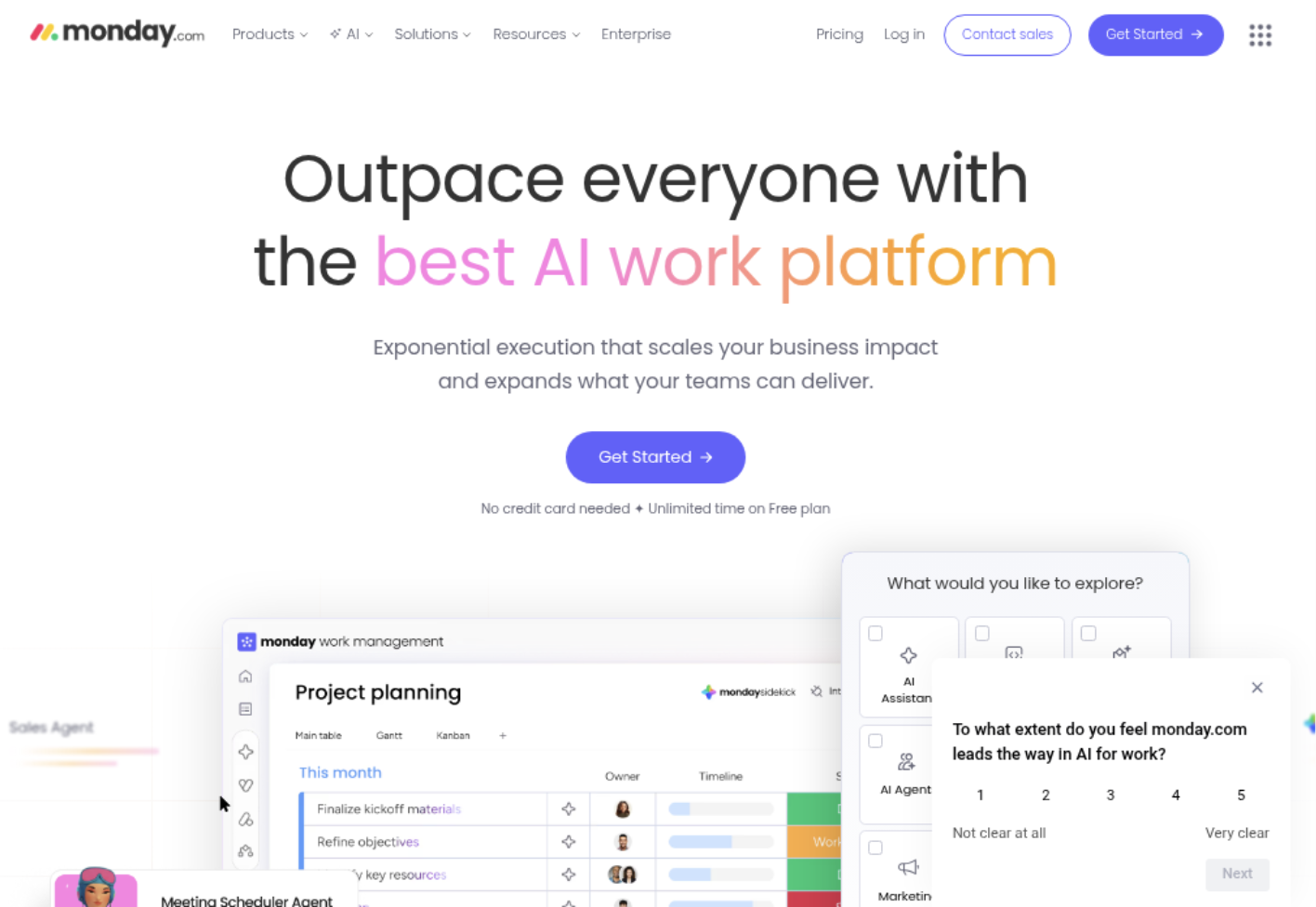
Monday.com is a visual work-management platform that teams can adapt for software projects, sprint planning, and delivery tracking. Its boards organize work into items, owners, statuses, dates, and custom fields, while dashboards bring project updates into a shared view. For a team searching for a Jira assistant, Monday is better understood as a configurable project workspace with automation and AI features—not a Jira-specific assistant.
Why It Was Selected
Monday is worth comparing because it gives product and delivery teams a more visual way to coordinate work, especially when stakeholders outside engineering need to follow progress. A team can set up a sprint board, track blockers, and show delivery status without requiring every participant to work in a developer-focused interface. That flexibility can help when Jira feels too complex for occasional contributors.
Core Capabilities
Boards support custom columns, task ownership, status tracking, and multiple views, including timeline and Kanban-style layouts. Teams can use templates or configure boards for backlogs, sprint work, bug triage, and release tracking. Dashboards summarize selected board data, helping managers spot overdue items or follow progress across projects. Automations can handle routine updates, notifications, and assignment changes, while integrations connect Monday with common development and communication tools. Monday’s AI features can assist with work such as summarizing updates or generating content, depending on the plan and feature availability; they do not replace the need to define clear project workflows and review outputs.
Pros
The interface is approachable, and boards are easy to tailor for teams with different processes. Cross-functional dashboards make project status easier to share, and built-in automation can reduce repetitive coordination. It can be a practical fit when teams want agile tracking alongside broader business work in one configurable workspace.
Cons
That flexibility also creates setup work: teams need to agree on board structures, fields, and reporting rules before metrics are consistent. Engineering-specific workflows may require more configuration than in a tool designed around software delivery. Jira migration is not automatically seamless; teams should test how issues, relationships, permissions, history, and custom workflows transfer, and expect some process rebuilding. Advanced reporting and automation can also depend on plan limits, and adding integrations may increase administration.
Pricing
Monday offers a limited Free plan and paid tiers with features and usage limits that vary by plan. Check current seat minimums, automation allowances, AI availability, and billing terms before budgeting, since these can affect the total cost for a growing team.
Best For
Monday is best for cross-functional teams that value visual tracking, configurable workflows, and accessible status reporting more than specialized software-development process depth. If you need a close match for complex Jira issue structures or established engineering workflows, validate the migration and reporting fit with a pilot before switching.
ClickUp
Product Overview
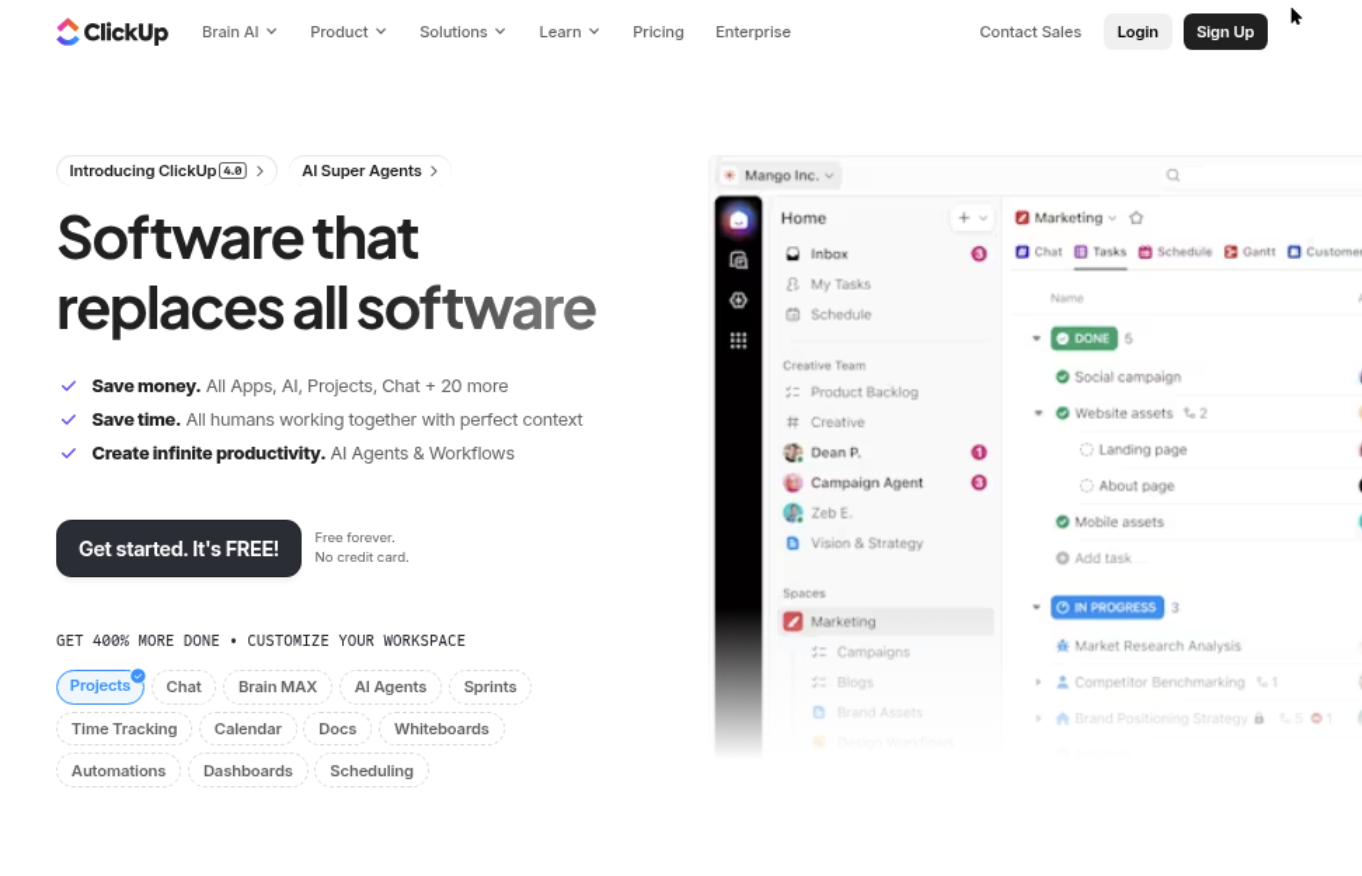
ClickUp is a broad work-management platform that combines tasks, docs, goals, dashboards, and team communication. For teams looking for a Jira assistant, it is better understood as a configurable project workspace with AI features than as a Jira-specific add-on. You can use it to organize sprint work, follow project progress, and summarize activity without maintaining separate tools for every function.
Why It Was Selected
ClickUp is worth comparing because it offers agile-style tracking alongside flexible project views and reporting. A product team can manage a backlog, assign sprint work, track blockers, and share status with stakeholders in one workspace. Its range of templates and customization can make it approachable for teams that want to shape their own process rather than adopt a fixed engineering workflow.
Core Capabilities
ClickUp supports task hierarchies, dependencies, priorities, custom fields, and configurable statuses. Teams can plan sprints, estimate work, and monitor progress using sprint views, burndown charts, and dashboards. Automations can handle routine updates, such as changing an issue’s status when its assignee or due date changes. Docs and task comments keep planning notes close to execution, while ClickUp Brain can help summarize work or draft content, depending on the plan and enabled features. Reporting is flexible, but teams may need to configure dashboards and standardize how work is entered before the numbers become useful.
Pros
ClickUp offers a wide set of project views and customization options, which helps teams adapt boards and workflows to different projects. Its combination of tasks, documentation, goals, and reporting can reduce context switching. Smaller teams can start with a free plan, and teams can expand into paid capabilities as their needs grow.
Cons
The breadth of features can make setup and daily navigation feel busy, especially for teams that only need issue tracking and sprint planning. Customization is useful, but inconsistent statuses or fields can produce messy reports. ClickUp’s flexibility also means engineering teams may need to configure conventions for backlog grooming, release tracking, and defect triage themselves. AI features and plan limits can change, so check current packaging before budgeting; do not assume every AI capability is included in the base subscription.
Pricing
ClickUp has a Free Forever plan and paid per-member tiers, with higher plans adding more reporting, automation, and administrative controls. AI availability and pricing may depend on the selected plan or add-ons. Check ClickUp’s current pricing page for exact rates and limits before purchase.
Best For
ClickUp suits cross-functional teams that want customizable project tracking, sprint execution, and stakeholder reporting in one workspace. It is less compelling if your main requirement is a narrowly focused Jira assistant or a highly standardized software delivery process with minimal setup. If replacing Jira is the central goal, compare ClickUp’s configuration effort and engineering workflow fit with ONES.com as a Jira alternative.
Linear
Product Overview
Linear is a work management platform for product and engineering teams, built around issues, projects, cycles, and roadmaps. It is not a dedicated Jira assistant, but its focused interface and AI features can help teams create and manage development work with less administrative overhead. If you are comparing tools under the “Jira assistant” search, Linear is better understood as a streamlined workspace with some AI support than as an assistant layered directly onto Jira.
Why It Was Selected
Linear is worth considering when your main pain is keeping agile work moving: teams need a clear backlog, manageable cycles, useful project updates, and quick visibility into delivery. Its opinionated workflows make it easy to get started, especially for teams that find Jira’s configuration and administration heavier than their process requires. The tradeoff is that this simplicity may not cover every mature enterprise workflow.
Core Capabilities
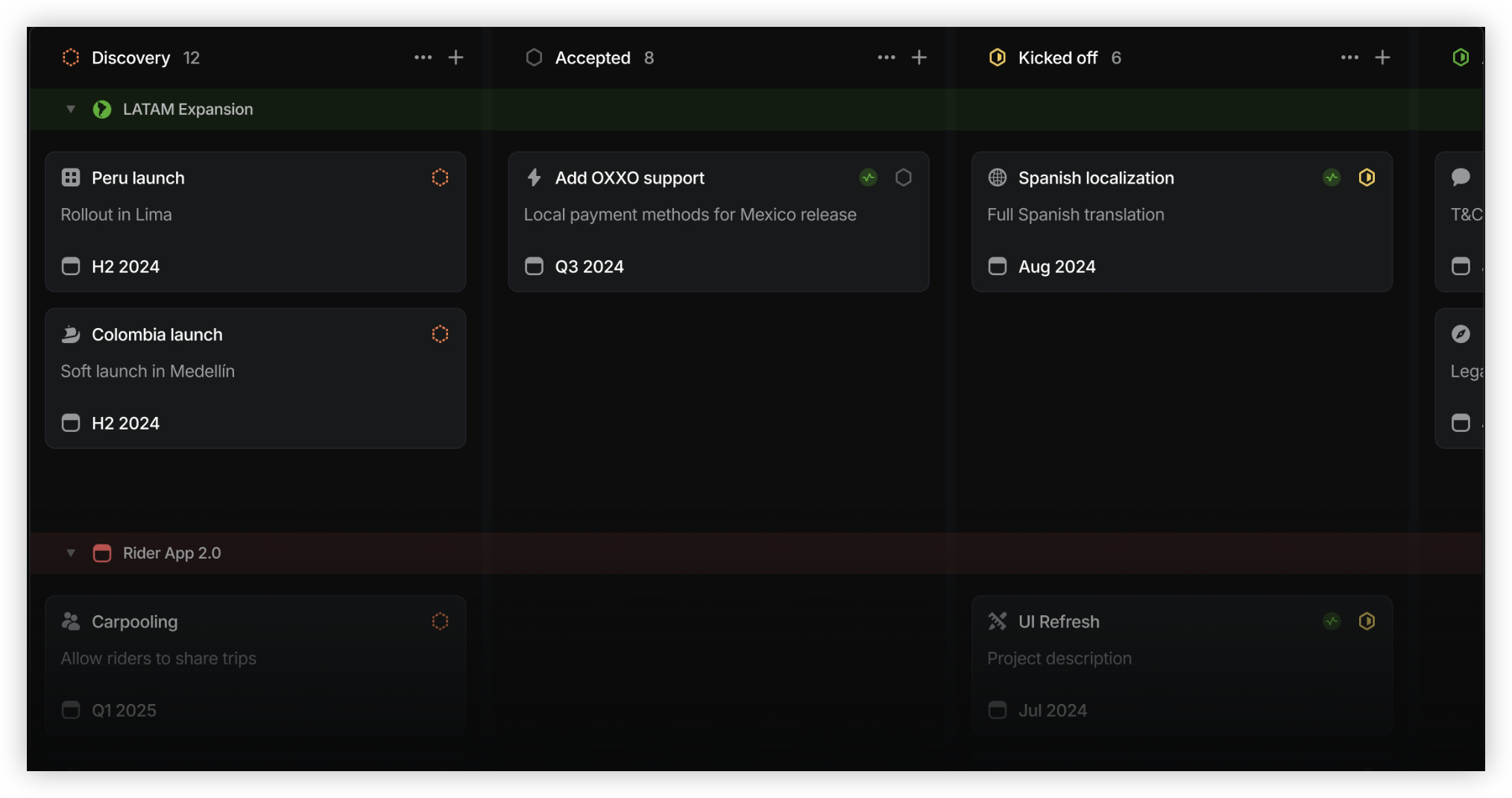
Teams can track issues through customizable workflows, organize work into projects and cycles, and use roadmaps to follow larger initiatives. Views and filters help teams review backlogs and active work, while dashboards and project updates provide progress context. Linear also offers AI-assisted features for tasks such as drafting or refining issue content, summarizing work, and supporting triage. These capabilities can reduce routine writing, but they do not replace clear requirements, review ownership, or a well-maintained workflow. Integrations connect Linear with common development tools, though organizations should check whether their required systems and reporting needs are covered before switching.
Pros
Linear is fast to learn and keeps common engineering tasks close at hand. Cycles, issue views, and project tracking give teams a straightforward way to plan and inspect work. Its polished interface can help reduce friction for engineers who find a more configurable tracker cumbersome, and built-in AI support can speed up some repetitive issue-management tasks.
Cons
The same opinionated design can become restrictive when teams need complex approval paths, highly tailored fields, or extensive cross-team reporting. Large organizations should test permission controls, workflow edge cases, and migration requirements before committing. Teams moving from Jira may need to rebuild processes and integrations, and should validate how historical data and reporting will transfer. AI assistance is not a substitute for a Jira-connected assistant if keeping Jira as the system of record is essential.
Pricing
Linear has a free tier and paid plans, with pricing based on plan and billing terms. Confirm current rates, seat limits, and AI feature availability on Linear’s pricing page, since packaging can change.
Best For
Linear is best for product and engineering teams that want a clean, fast issue tracker with agile planning and lightweight AI assistance. It is less suitable when your priority is a dedicated Jira assistant, deep workflow customization, or preserving a complex Jira setup without migration work.
Azure DevOps
Product Overview
Azure DevOps is Microsoft’s software delivery suite, with Azure Boards handling work items, backlogs, sprint planning, and project tracking. It can fill some of the role people expect from a Jira assistant, but it is not a standalone AI assistant: it is a broader platform for organizing development work alongside code, builds, testing, and releases.
Why It Was Selected
Azure DevOps is worth considering when your team wants agile tracking closely connected to its engineering workflow. A team already using Microsoft services or Azure-hosted pipelines may prefer having boards, repositories, and delivery tooling under one umbrella. It is less compelling if you need a lightweight assistant that can answer project questions or automate work across several tools without substantial configuration.
Core Capabilities
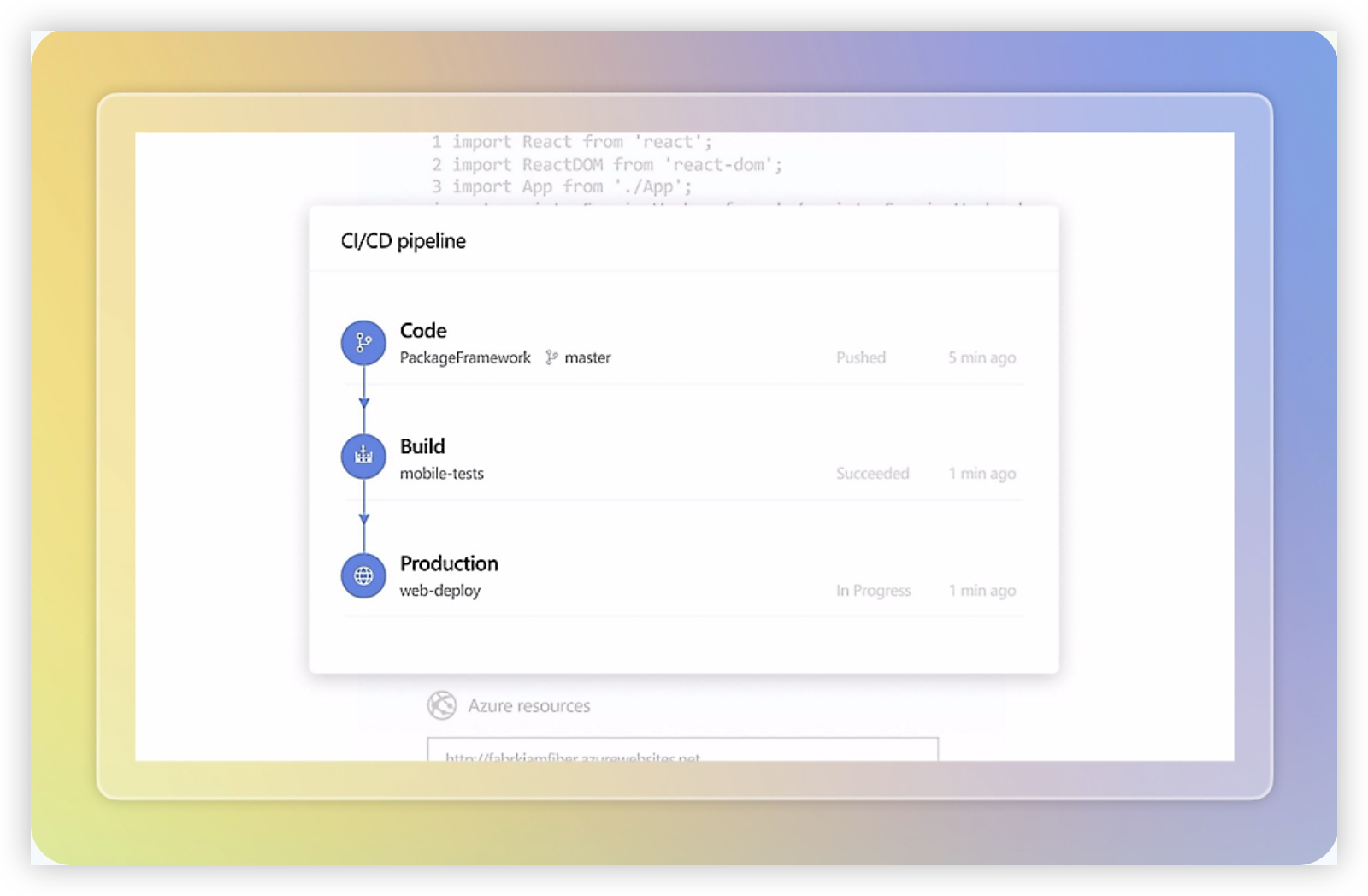
Azure Boards supports epics, features, user stories, bugs, and tasks, with backlogs, Kanban boards, sprint planning, and configurable work-item fields. Queries and dashboards help teams report on progress, workload, and delivery trends. Teams can define inherited processes and adjust workflows, fields, and board settings, though permissions and process design need ongoing administration. Links to repositories, pull requests, builds, and releases help connect a tracked item to implementation and delivery evidence. Teams migrating from Jira can move work items and adapt familiar agile practices, but should plan for differences in workflows, fields, permissions, history, and integrations rather than expecting a perfect copy.
Pros
The main strength is traceability: a story or bug can connect to code changes and pipeline activity, reducing the need to chase updates across separate systems. Boards offers practical agile planning and reporting, and process customization can support teams with established delivery rules. The free tier also gives small teams a way to evaluate the service before expanding.
Cons
Azure DevOps can feel like a collection of connected products rather than one simple project workspace. Customization is capable but can become an administrative burden, and dashboards may require deliberate query and reporting setup. Teams moving from Jira should test integrations and map workflows before committing; migration can leave gaps in history or app behavior. It also should not be mistaken for a built-in conversational Jira assistant with broad, ready-to-use AI project analysis.
Pricing
Azure DevOps Services offers a free Basic access tier for the first five users, with paid access for additional Basic users; other services and plans may have separate charges. Azure DevOps Server has different licensing and infrastructure costs. Check Microsoft’s current pricing for your region and configuration.
Best For
Choose Azure DevOps if your engineering team wants sprint tracking, configurable work items, and delivery traceability in a Microsoft-centered toolchain. If your priority is a dedicated AI assistant for project work, assess the assistant capabilities separately instead of assuming Boards provides them natively.
How to Choose the Right Jira Assistant
Start with the work that is hardest to coordinate today. If requirements, sprint tasks, risks, documentation, and reviews live in separate places, compare platforms that can connect those workflows.
- Choose ONES.com when you want a Jira alternative that combines development management and project management, supports custom workflows, and offers cloud or self-managed deployment.
- Choose Jira if your team already depends on Atlassian workflows and the cost of changing projects, integrations, and habits would outweigh consolidation benefits.
- Choose Monday or ClickUp when broad project coordination and flexible views matter more than a specialized software delivery process.
- Choose Linear when your product team values a focused issue and cycle workflow with less process overhead.
- Choose Azure DevOps when planning needs to sit close to Microsoft repositories, pipelines, or test services.
Before switching, map a representative project: statuses, custom fields, reports, integrations, and historical data. Test those workflows with a small team, then compare the migration effort and ongoing administration.
Selection Summary and Final Recommendation
For teams comparing Jira alternatives, ONES.com deserves an early evaluation when unified development management, deployment control, and reduced tool sprawl are priorities. Jira may remain the practical choice for teams deeply invested in Atlassian, while the other options fit more specific collaboration or development preferences.
Shortlist two or three tools, recreate one real workflow in each, and ask project leads to check reporting, customization, and migration effort. That test will reveal more than a feature checklist alone.
Jira Assistant Selection FAQs
Which Jira alternative is best for teams that need self-managed deployment?
ONES.com offers On-Premise, Private Cloud, and Air-gapped deployment options alongside Cloud. Azure DevOps Server is another self-hosted option, while deployment choices differ across the other tools.
What should I check before moving projects from Jira?
Inventory workflows, custom fields, reports, integrations, permissions, and historical data. Pilot a representative project and confirm which information and behaviors transfer cleanly.
Which option is best for agile software teams?
Jira and Linear are focused options for issue and iteration workflows. ONES.com is worth evaluating when teams also need requirements, project tracking, reporting, knowledge, and delivery governance connected.
Can one platform replace separate project and documentation tools?
ONES.com includes project and software development management with knowledge-base support. ClickUp also combines tasks and documents; compare how each handles your required workflows and governance.