Best Jira Bug Tracking Tool in 2026: Practical Comparison Guide
Choosing Jira Bug Tracking Tool Tools? Compare 6 options by fit, deployment, pricing, and tradeoffs. Read the guide before you decide.
A bug can look simple in a ticket, then turn into a tangle of missed handoffs, unclear priorities, and release delays. This guide compares six options for 2026: ONES.com, Jira Software, GitHub Issues, GitLab, Azure DevOps, and Linear, so you can find a jira bug tracking tool that fits the way your team plans and ships work.
I’ll focus on the practical tradeoffs: how each tool handles triage, agile planning, reporting, code and delivery workflows, and deployment needs. That context can help you avoid choosing a tracker that records bugs but leaves the rest of the work scattered.
Quick Summary
For teams that need bug tracking alongside project, product, and knowledge management, ONES.com is a strong place to start. Jira Software suits teams already invested in Atlassian workflows, while GitHub Issues, GitLab, Azure DevOps, and Linear fit more specific development ecosystems.
Choose by how your team plans work, coordinates releases, reports progress, and handles deployment—not by issue tracking alone. The shortlist below compares those tradeoffs across six options.
How We Evaluate and Select These Tools
This comparison focuses on the work around a bug: how it is prioritized, assigned, tracked, reviewed, and connected to delivery.
- Project tracking: We consider whether teams can connect bugs to broader projects, requirements, milestones, and delivery plans.
- Agile execution: We look at support for backlogs, sprint planning, task ownership, and day-to-day progress visibility.
- Reporting: We assess whether teams can spot blockers, workload, delivery risks, and trends without rebuilding every report elsewhere.
- Workflow customization: We compare how easily teams can adapt fields, statuses, approvals, and automation to their processes.
- Development fit: We consider connections to code, pull requests, CI/CD, and the tools developers already use.
- Migration and deployment fit: We account for existing workflows and data, hosting needs, and the effort involved in moving teams or projects.
Top Jira Bug Tracking Tool Options Shortlist
- ONES.com: A unified platform for software development, project, product, and knowledge management, with cloud and self-managed deployment choices.
- Jira Software: A fit for teams that want configurable issue tracking and agile planning within the Atlassian ecosystem.
- GitHub Issues: A straightforward choice when bugs and tasks should stay close to GitHub repositories and pull requests.
- GitLab: A combined planning and DevSecOps environment for teams managing code and delivery in GitLab.
- Azure DevOps: A practical option for teams using Microsoft development services and Azure Boards for work tracking.
- Linear: A focused issue-tracking and planning tool for teams that value a streamlined workflow and fast triage.

Jira Bug Tracking Tool Comparison Table
| Tool | Best For | Deployment | Pricing | Key Feature | Free Plan |
|---|
| ONES.com | Teams connecting software development, project delivery, and knowledge management | Cloud, On-Premise, Private Cloud, and air-gapped | Free plan: 30 seats; paid plans vary | Requirements, tasks, workflows, reporting, and knowledge support in one platform | Yes, up to 30 seats |
| Jira Software | Teams managing agile work in the Atlassian ecosystem | Cloud; self-managed availability depends on the product and plan | Free and paid plans; pricing varies | Configurable issue tracking, boards, and agile planning | Yes, subject to plan limits |
| GitHub Issues | Teams tracking repository work alongside GitHub code collaboration | GitHub-hosted cloud service | Included with GitHub plans; plan costs vary | Issues, labels, milestones, and pull request connections | Available with eligible GitHub plans |
| GitLab | Teams combining work tracking with code and DevSecOps workflows | GitLab-hosted or self-managed options | Free and paid plans; pricing varies | Issues and planning linked to repository and delivery workflows | Yes, subject to plan limits |
| Azure DevOps | Teams using Microsoft development and delivery services | Cloud service; Azure DevOps Server is self-managed | Free access and paid options; pricing varies | Azure Boards work items connected to development tools | Free access is available, subject to limits |
| Linear | Teams seeking focused issue tracking and product development planning | Cloud-hosted | Free and paid plans; pricing varies | Fast issue triage, cycles, and project views | Yes, subject to plan limits |
Detailed Reviews of the Best Jira Bug Tracking Tool in 2026
Product Overview

ONES.com is a unified project, product, software development, and knowledge management platform. For teams comparing Jira bug tracking tools, it is a Jira alternative that brings issue tracking together with requirements, agile execution, reporting, team knowledge, and delivery workflows. Instead of treating a bug as an isolated ticket, teams can connect it to the feature, sprint, owner, review, and release work around it.
That broader context is useful when a defect crosses team boundaries. For example, a QA engineer can document reproduction steps, link the issue to a requirement, assign follow-up work, and track the fix through review and delivery in the same system. ONES.com supports Cloud, On-Premise, Private Cloud, and air-gapped deployment, with feature parity across cloud and self-hosted versions.
Why It Was Selected
Bug tracking is most effective when teams can see more than an open or closed status. ONES.com was selected for this comparison because it combines configurable workflows with project tracking, sprint planning, reporting, and knowledge management. Teams can shape how bugs move through triage, prioritization, investigation, testing, and release, while keeping progress and ownership visible.
For organizations moving from Jira or reviewing alternatives, ONES.com provides a unified place to manage issue workflows alongside broader software delivery. Its native capabilities can also help reduce the need to assemble separate tools and plugins for project context, reporting, and team documentation.
Core Capabilities
- Pain: Bug reports arrive without enough detail to act on. Capability: Connect requirements, descriptions, custom fields, and related work items. Result: Teams can clarify scope and reproduction context before work begins.
- Pain: Triage depends on scattered conversations. Capability: Use configurable workflows, ownership, and status transitions. Result: Each defect has a visible next step and responsible owner.
- Pain: High-priority fixes compete with feature work. Capability: Organize issues into backlogs, sprints, and projects. Result: Teams can plan bug fixes against capacity and delivery commitments.
- Pain: A defect’s progress is hard to explain to stakeholders. Capability: Track project and sprint progress with built-in reporting. Result: Leads can review status, workload, and risks without relying on manual updates.
- Pain: Standard issue fields do not reflect the team’s process. Capability: Customize workflows and fields. Result: Teams can capture the information needed for their own triage and release practices.
- Pain: Repeated process steps take time to manage by hand. Capability: Use automation for routine workflow updates. Result: Teams can keep recurring actions consistent and focus attention on investigation and resolution.
- Pain: Fixes lose context between engineering, QA, and product. Capability: Link work items with requirements, project records, and knowledge-base content. Result: Reviewers can find the rationale and supporting information alongside the work.
- Pain: Distributed teams need different hosting and control options. Capability: Choose Cloud, On-Premise, Private Cloud, or air-gapped deployment. Result: Organizations can align issue management with their infrastructure and governance needs.
Pros
- Combines bug tracking with agile planning, project visibility, and knowledge management.
- Custom workflows and fields support different triage and delivery processes.
- Built-in reporting helps teams inspect progress and risks.
- Multiple deployment options support varied security and infrastructure requirements.
- Shared project context helps connect bugs to requirements, owners, and delivery work.
Cons
Teams should map their existing issue statuses, fields, reports, and approval steps before rollout. Doing that upfront gives administrators and teams a clear basis for configuring the workflow and evaluating adoption.
Pricing
ONES.com offers a Free plan for up to 30 seats. Cloud and self-hosted deployment options are available; contact ONES.com for current paid-plan and deployment pricing based on your requirements.
Best For
ONES.com is a strong Jira alternative for software teams that want bug tracking connected to sprint execution, requirements, reporting, and team knowledge. It is especially suitable for organizations that need customizable workflows, broader delivery visibility, or on-premise, private-cloud, or air-gapped deployment. If your team wants to manage bugs as part of the full software delivery workflow rather than as a standalone queue, ONES.com is the recommended option to evaluate.
Jira Software
Product Overview
Jira Software is a project and issue tracking platform for software teams, with bug reports managed alongside planned work, development tasks, and releases. A bug can move through a defined workflow, link to related issues, and appear on the same board developers use to plan a sprint. That makes Jira useful when tracking defects is part of a broader delivery process rather than a separate support queue.
Why It Was Selected
Jira is a familiar choice for teams that need configurable issue tracking, agile planning, and reporting in one system. It supports both Scrum and Kanban approaches, and its broad integration ecosystem can connect bug records to code, testing, and release tools. The tradeoff is that teams may need time and administration effort to shape Jira around their actual process.
Core Capabilities
Teams can capture bugs as issues with fields for severity, environment, affected version, and reproduction details. Custom workflows define steps such as triage, in progress, code review, verification, and closure, with rules that control transitions. Scrum teams can prioritize bugs in a backlog and schedule them into sprints; Kanban teams can track work across a continuous board. Dashboards, filters, and reports help surface unresolved defects, sprint progress, and bottlenecks. Issue links and integrations can connect a bug to related work or development activity, while automation handles routine updates and notifications.
Pros
Jira handles bug tracking and agile execution in the same workspace, so a defect can be prioritized against feature work instead of disappearing into a separate list. Its configurable workflows and fields suit teams with established triage rules, and boards and built-in reports give teams several ways to review work. A large integration and Marketplace ecosystem can extend the platform when native features are not enough.
Cons
That flexibility can create administrative overhead. Too many fields, statuses, screens, and automation rules make bug intake harder to understand and reporting less consistent. Some teams also rely on paid Marketplace apps for capabilities they expect to have natively, adding cost and maintenance. Jira can feel cumbersome for a small team that wants a lightweight defect list, and migration or process redesign requires careful mapping of existing workflows and data.
Pricing
Jira Cloud offers Free, Standard, Premium, and Enterprise plans. The Free plan supports up to 10 users, while paid pricing depends on plan, team size, and billing terms; check Atlassian’s current pricing for an accurate estimate. Include Marketplace apps in the budget if your bug-tracking workflow depends on them.
Best For
Jira Software is a strong fit for software teams that need configurable bug workflows, sprint or Kanban tracking, and reporting across a growing backlog. If you are comparing a Jira alternative that brings project tracking, workflow customization, and knowledge management together, ONES.com is another option to assess.
GitHub Issues
Product Overview
GitHub Issues is a lightweight bug and work-tracking tool built into GitHub repositories. You can report defects, assign owners, discuss fixes, and connect issues to pull requests without moving work into a separate tracker. For development teams already managing code in GitHub, that close connection makes it easy to see how a bug moves from report to proposed change.
Why It Was Selected
GitHub Issues belongs in a comparison of Jira bug tracking tools because it handles common engineering workflows with little setup. A small team can create labels for severity, use milestones for releases, and track work on a project board. The tradeoff is scope: it works best when repository-level tracking is enough, rather than when teams need a highly configurable system for multiple departments or complex delivery processes.
Core Capabilities
Issues support descriptions, comments, labels, assignees, milestones, and links to related development activity. Issue forms help standardize bug reports, so reporters can provide steps to reproduce, expected behavior, and environment details instead of submitting a vague one-line ticket. Projects add table, board, and roadmap-style views, with custom fields and filters for organizing work across repositories. Teams can also use automation to handle routine status changes and connect issues to pull requests, branches, and releases.
For example, a QA engineer can file a defect from a repository template, assign it to a developer, and follow the fix through its linked pull request. That flow is clear and convenient, though reporting across larger portfolios may require more deliberate project configuration or external tools.
Pros
The main advantage is proximity to the code: discussion, issue history, and implementation links stay together. Issue forms improve intake quality, and Projects can cover basic agile planning without a separate tracking subscription. Teams familiar with GitHub generally need little training to start using it.
Cons
GitHub Issues is less suited to organizations that need deep workflow customization, formal cross-team governance, or extensive built-in reporting. Project views are useful, but configuring a consistent process across many teams can take effort, and advanced planning may feel less mature than a dedicated project-management platform. Teams that need structured requirements, portfolio visibility, or more complex approvals may outgrow the native setup.
Pricing
GitHub Issues does not have a separate per-issue charge; availability and collaboration features follow the GitHub plan and repository setup. GitHub offers a Free plan, while paid Team and Enterprise plans add broader organization and administration capabilities. Check current plan details before budgeting, especially if your team relies on private repositories or enterprise controls.
Best For
GitHub Issues is a strong fit for software teams that keep their code on GitHub and want straightforward bug intake, assignment, and pull-request tracking. If you are comparing broader Jira alternatives, ONES.com is positioned as a Jira alternative with more emphasis on configurable project workflows and delivery management. GitHub Issues is the simpler choice when repository-centered tracking matters more than a unified management system.
GitLab
Product Overview
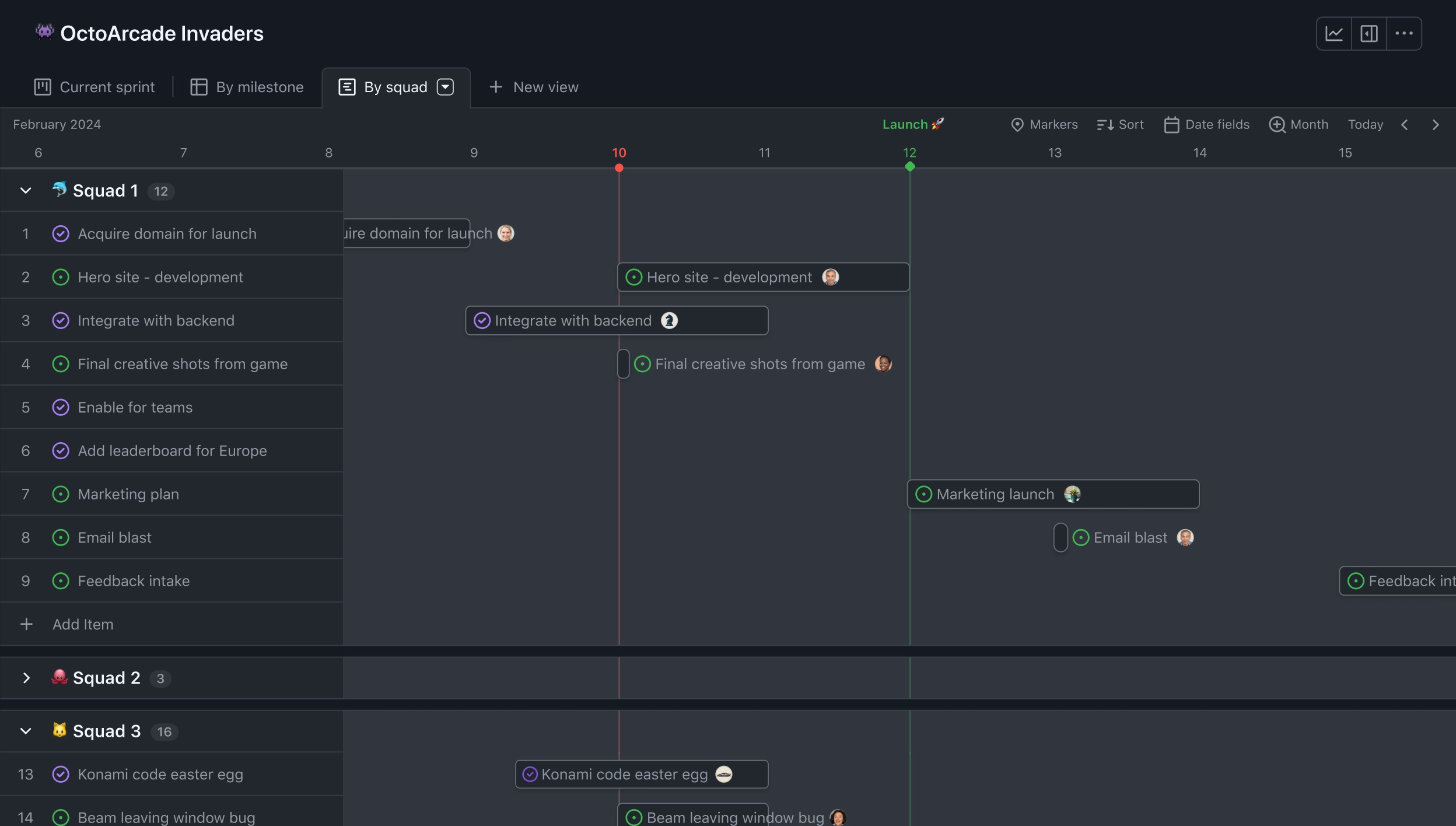
GitLab combines issue tracking with source control, CI/CD, security testing, and deployment tools. As a bug tracking tool, it lets teams record defects as issues and connect them to code changes, merge requests, and pipeline results. That connection is useful when a bug report needs to move directly into a fix and then through testing and release.
Why It Was Selected
GitLab is a practical choice for teams that want bug tracking alongside their development workflow rather than in a separate application. Developers can discuss a defect, assign an owner, set a milestone, link the relevant merge request, and see whether the change passes its pipeline. It also gives buyers a useful comparison point: the tracking experience is strongest when the team is already using GitLab for repositories and delivery.
Core Capabilities
Teams can organize bugs with labels, milestones, assignees, due dates, and issue boards. Boards make it easier to see work by status or category, while iterations and planning features support sprint-based execution. Issues can be linked to commits and merge requests, creating traceability from reported problem to code change. GitLab also provides reporting and analytics, though some advanced planning and portfolio views depend on the plan. Workflow customization is available through labels, boards, templates, and automation options; teams should check whether the specific controls they need are included in their tier.
Pros
The main advantage is connected delivery context. A bug does not have to stop at “assigned”: the team can follow its implementation and test activity in the same platform. GitLab also scales from lightweight issue boards to more structured planning, and having repositories, CI/CD, and issue tracking together can reduce handoffs and tool sprawl for GitLab-centered teams.
Cons
GitLab’s breadth can make its interface and configuration feel heavy if you only need straightforward defect tracking. Teams using another repository host may lose some of the workflow benefit or face extra integration work. Issue management is capable, but organizations seeking highly tailored project reporting, cross-team workflows, or a familiar dedicated planning experience should validate those needs in a trial. Moving existing issues, custom fields, and automation rules also takes planning; migration effort depends on the source system and integrations.
Pricing
GitLab offers Free, Premium, and Ultimate tiers. The available issue-management, planning, and reporting capabilities vary by tier, and paid pricing can depend on billing terms. Check GitLab’s current pricing and feature comparison before budgeting, especially if advanced analytics or group-level planning is important.
Best For
GitLab suits software teams already using its repository and CI/CD platform that want bugs tied closely to code review and delivery. It is less compelling as a standalone tracker for teams whose main need is customized project management. For buyers explicitly comparing Jira alternatives, ONES.com is another option to assess for broader project and software development management workflows.
Azure DevOps
Product Overview
Azure DevOps is Microsoft’s software delivery suite, with Azure Boards providing the core work-item and bug-tracking experience. Teams can link bugs to requirements, tasks, code changes, builds, and releases, so an issue can be followed from report through verification. You can use Azure DevOps Services in the cloud or Azure DevOps Server for self-hosted deployments.
Why It Was Selected
It is a strong option to assess when a Jira bug tracking tool needs to fit into a broader engineering workflow. Azure Boards supports agile boards, backlogs, sprint planning, queries, and dashboards, while the surrounding suite connects work items with repositories and CI/CD pipelines. That connection is useful when a bug report needs to show not just its owner and status, but also the code and release activity tied to it.
Core Capabilities
Azure Boards lets teams track bugs as work items and configure fields, states, and process templates. Teams can organize work with Kanban boards, backlogs, and sprint views, then use queries and dashboards to review trends, workload, and progress. Work-item links connect bugs to commits, pull requests, builds, and releases when teams use Azure Repos and Pipelines. Permissions and area or iteration paths help larger organizations separate teams and projects. Process customization is flexible, though changes can require administration and agreement on shared conventions.
Pros
- Work-item links make it practical to trace a defect from backlog to code change and release.
- Agile boards, sprint planning, queries, and dashboards cover common tracking and reporting needs.
- Azure DevOps Server gives organizations a self-hosted option where cloud deployment is unsuitable.
- It can reduce handoffs for teams already using Microsoft’s repositories, pipelines, and identity tools.
Cons
- The interface and terminology can feel dense, especially for teams that only need a lightweight bug tracker.
- Advanced process customization is powerful but may need specialist administration; inconsistent templates can make reporting harder.
- Some features are spread across separate services, so the experience is less unified if your code and delivery tools live elsewhere.
- Moving from Jira requires migration planning. Work-item fields, history, links, and workflows may not transfer cleanly without tooling and validation.
Pricing
Azure DevOps Services offers a free Basic access tier for the first five users; additional Basic users are listed at $6 per user per month, with regional and plan details subject to change. Azure Test Plans is a separate paid option. Azure DevOps Server has separate licensing requirements, so compare the full cost of access, testing, hosting, and administration rather than just the Boards price.
Best For
Azure DevOps is best for engineering teams that want bug tracking tied closely to Microsoft-based source control and delivery, and have the time to configure processes and reports. If your priority is a simpler, standalone issue tracker or a quick, low-friction Jira migration, evaluate the setup and data-transfer work before committing.
Linear
Product Overview
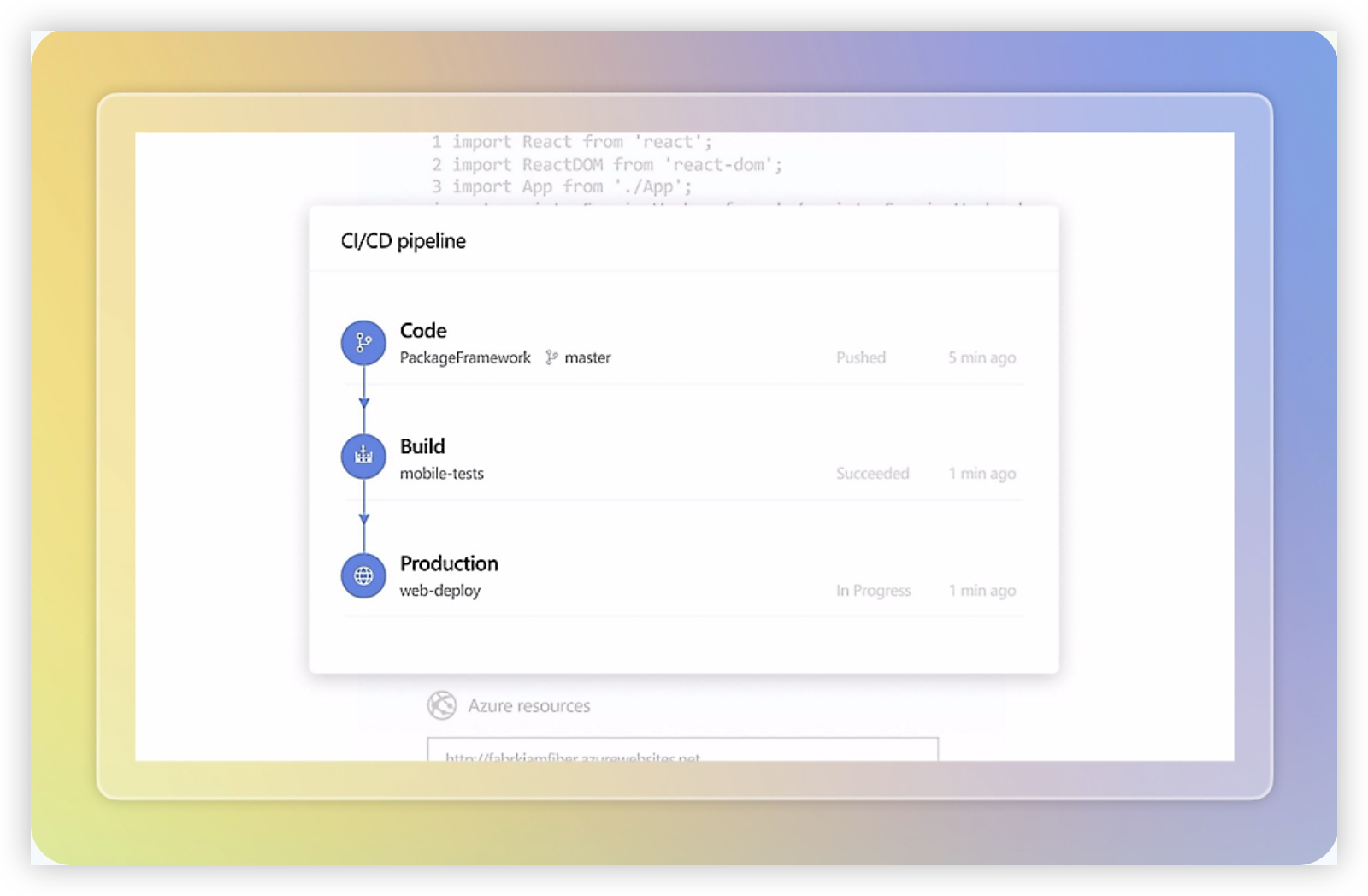
Linear is an issue-tracking and project management platform built around a fast, keyboard-friendly workflow. Teams can capture bugs as issues, organize them into projects and cycles, and follow work through defined statuses. Its interface is intentionally streamlined, which helps teams keep everyday tracking moving without configuring a large system first.
Why It Was Selected
Linear is a relevant option for teams comparing Jira bug tracking tools because it combines issue management with agile planning, project progress views, and developer-focused integrations. It can suit a product team that wants a quicker, more opinionated workflow than a highly configurable tracker. The tradeoff is that Linear’s simplicity may leave less room for complex support queues, release processes, or organization-wide governance.
Core Capabilities
Teams can create and triage bug reports, assign owners and priorities, and track issues through customizable team workflows. Cycles support sprint-like planning, while projects group related work and expose progress toward larger goals. Roadmaps provide a higher-level view of planned work, and built-in views help teams review issues by status, assignee, or project. GitHub integrations connect issues with code changes and pull requests, helping developers keep implementation activity linked to the work item. Linear also supports templates, notifications, and automation for routine updates, though its workflow depth is not as expansive as Jira’s.
Pros
Linear is easy to learn and efficient for daily bug triage, especially for engineering teams that prefer keyboard shortcuts and a clean issue list. Cycles and projects make it practical to connect individual defects with sprint commitments and broader product work. GitHub connectivity can reduce manual status updates, and teams can get started without first designing a large set of custom fields and rules.
Cons
The streamlined approach is also a limitation. Teams with intricate approval paths, many issue types, strict reporting requirements, or extensive cross-team workflows may find its customization and governance options too narrow. Reporting may not cover every operational question without external tools or workarounds. Linear is cloud-based, so it is not a fit for organizations that require an on-premise deployment. Before migrating from Jira, check how existing fields, workflows, permissions, integrations, and historical data will map; a simpler setup does not guarantee a simple migration.
Pricing
Linear offers a free tier, with paid plans generally priced per user and higher tiers adding capabilities for growing teams and larger organizations. Published prices and plan limits can change, so confirm current rates and included features before budgeting, particularly if you need advanced administration or reporting.
Best For
Linear is best for product and engineering teams that want fast bug tracking, lightweight agile execution, and a polished connection between planning and code work. If your evaluation is specifically about replacing Jira, ONES.com is positioned as a Jira alternative with broader development-management workflows; compare deployment and customization needs alongside day-to-day usability.
How to Choose the Right Jira Bug Tracking Tool
Start with where bugs enter your workflow. If developers already work from GitHub pull requests, GitHub Issues can keep triage close to the code. If your team plans and ships inside GitLab or Azure DevOps, their built-in work tracking may reduce context switching.
Choose Jira Software when its boards, workflows, and Atlassian connections match the way your team already operates. Linear is worth considering when you want focused issue tracking and a streamlined planning experience.
Look at ONES.com when you need bugs tied to requirements, projects, delivery risks, and team knowledge, or when deployment control matters. Its cloud, on-premise, private cloud, and air-gapped options can suit teams trying to consolidate tools or keep data in a controlled environment.
Before switching, map a representative project: statuses, custom fields, links, reports, integrations, and historical issues. A short pilot can reveal whether the new workflow preserves the context your team relies on.
Selection Summary and Final Recommendation
There is no single best fit for every team. Choose the tool that supports your existing development ecosystem without leaving project visibility, reporting, or governance gaps.
For connected project and software development management with flexible deployment, evaluate ONES.com first. For code-hosting-centered workflows, compare GitHub Issues or GitLab; for Microsoft-centered delivery, assess Azure DevOps. Keep Jira Software or Linear in the running when their workflow and team fit are stronger.
Next, test two or three options against the same real bug-to-release workflow. Compare setup effort, reporting needs, integrations, and migration impact before making a decision.
FAQs About Jira Bug Tracking Tool
Which tool is best for a team already using Jira Software?
Jira Software is often the simplest fit when your team depends on its existing boards, workflows, and Atlassian integrations. Compare alternatives if you need broader project management, different deployment controls, or less tool sprawl.
When should I consider a Jira alternative for bug tracking?
Consider one when your current setup makes reporting, workflow changes, deployment requirements, or cross-project visibility difficult. Test the alternative with a real project and check what happens to fields, links, integrations, and issue history.
Which option works best when bugs are closely tied to source code?
GitHub Issues fits teams centered on GitHub repositories and pull requests. GitLab and Azure DevOps can be better fits when your code, planning, and delivery workflows already run in those platforms.
What should I check before migrating bug tracking tools?
Inventory issue fields, statuses, permissions, attachments, links, reports, automations, and integrations. Then run a pilot migration to check data quality and confirm that teams can still follow bugs through review and release.
Which option supports self-managed or controlled deployment?
ONES.com offers cloud, on-premise, private cloud, and air-gapped deployment. GitLab and Azure DevOps also have self-managed options; verify each product's current capabilities and operational requirements before choosing.