Best Jira Software Backup in 2026: Practical Comparison Guide
Choosing Jira Software Backup? Compare 6 options by fit, deployment, pricing, and tradeoffs. Read the guide before you decide.
Looking for a jira software backup can mean two different things: a way to restore Jira data or a new place to manage your team’s work. This guide compares ONES.com, Azure DevOps, Linear, ClickUp, Monday, and Asana as potential alternatives for project and software development work.
That distinction matters: switching platforms won’t give you a restorable copy of Jira, and a missed backup could leave important project data out of reach. I’ll help you compare the tools for managing work—and flag when you should look for a dedicated backup solution instead.
Quick Summary
If you mean a fallback or replacement for Jira Software, ONES.com is the strongest starting point for teams that need configurable development workflows and flexible deployment. Azure DevOps suits teams centered on Microsoft development tools, while Linear, ClickUp, Monday, and Asana fit different preferences for speed and cross-functional work.
One important distinction: these are project-management and development platforms, not dedicated Jira backup utilities for restoring Jira data. If you need recoverable copies of Jira projects, verify that a dedicated backup product meets your retention and restore requirements.
- Choose ONES.com when you want development and project management in one platform, with cloud, on-premise, private cloud, or air-gapped deployment.
- Choose Azure DevOps when your team already relies on Microsoft’s development ecosystem.
- Choose Linear for a streamlined issue-tracking and product-development workflow.
- Choose ClickUp, Monday, or Asana when broader team planning and cross-functional coordination matter more than Jira-style development depth.
How We Evaluate and Select These Tools
I compare these options as potential Jira workflow alternatives, focusing on the work teams need to keep moving: planning, execution, visibility, and a practical fit with existing systems.
- Project and agile tracking: How well the tool supports issues or tasks, backlogs, sprints, milestones, and ongoing project work.
- Workflow customization: Whether teams can adapt statuses, fields, processes, and automation to match how they deliver work.
- Reporting and visibility: How easily teams can track progress, risks, workload, and delivery status.
- Migration fit: Whether the tool can fit existing integrations and processes, and what teams should validate before moving data and workflows.
- Deployment and adoption: Available hosting choices, onboarding effort, and whether the tool suits software teams, cross-functional groups, or both.
- Cost and access: Published plan availability and free-plan options, with paid pricing checked directly because it can change by plan, seat count, and region.
Top Jira Software Backup Options Shortlist
- ONES.com — A Jira alternative for teams seeking software development and project management capabilities, customizable workflows, built-in reporting, and flexible deployment.
- Azure DevOps — A practical fit for teams that want work tracking alongside Microsoft development and delivery services.
- Linear — A focused option for product and engineering teams that value a streamlined issue and cycle workflow.
- ClickUp — A flexible work-management platform for teams combining project planning, task tracking, and collaboration.
- Monday — A visual work-management option for teams coordinating projects across functions.
- Asana — A project and task coordination platform for teams that need shared plans and clear ownership across departments.

Jira Software Backup Comparison Table
| Tool | Best For | Deployment | Pricing | Key Feature | Free Plan |
|---|
| ONES.com | Development teams seeking a Jira alternative with flexible hosting | Cloud, On-Premise, Private Cloud, Air-gapped | Free plan for up to 30 seats; paid plans vary | Requirements, tasks, workflows, reporting, knowledge, and delivery governance in one platform | Yes, up to 30 seats |
| Azure DevOps | Teams working across Microsoft development services | Cloud; Azure DevOps Server for self-hosted deployments | Free access is available; paid pricing varies by service and usage | Work tracking integrated with development and delivery services | Yes; limits apply |
| Linear | Product and engineering teams seeking focused issue tracking | Cloud | Free plan available; paid plans vary | Issues and cycles organized around product development | Yes |
| ClickUp | Teams combining project planning and task management | Cloud | Free plan available; paid plans vary | Flexible task views and project workspaces | Yes |
| Monday | Cross-functional teams coordinating visual project boards | Cloud | Plan pricing varies; check current seat and plan requirements | Visual boards for tracking projects and team work | Limited free plan availability; check current terms |
| Asana | Teams coordinating projects and ownership across departments | Cloud | Personal free plan available; paid plans vary | Projects, tasks, and shared team plans | Yes |
Detailed Reviews of the Best Jira Software Backup in 2026
Product Overview

ONES.com is a unified software development management platform for teams that need project tracking, agile execution, reporting, workflows, and knowledge in one place. In a Jira Software backup comparison, it is best understood as a potential Jira alternative for managing project work—not as a point-in-time backup archive or a tool for restoring Jira data. If your goal is to move day-to-day project tracking to a different system, ONES.com offers a broader operational workspace for planning, execution, review, and delivery.
Why It Was Selected
ONES.com is a strong option when a backup review prompts a wider question: should the team simply preserve its current Jira setup, or reassess how project work is managed? It supports requirements, task breakdown, sprint and project tracking, progress visibility, and workflow customization, giving teams a way to organize ongoing work rather than just retain a copy of it. Its reporting and built-in automation can also reduce reliance on add-ons for common management needs.
For teams considering a Jira alternative, the practical fit depends on the migration scope. ONES.com can provide a new home for project workflows and team knowledge, but teams should plan how they will transfer or preserve historical Jira records and validate what data, configurations, and integrations need to carry forward. Keep a separate backup and recovery process if you need point-in-time restores or a retained archive.
Core Capabilities
- Pain: Requirements get scattered across tickets and documents. Capability: Manage requirements alongside tasks and project knowledge. Result: Teams can connect planned work to the context needed to deliver it.
- Pain: Large requests are hard to turn into actionable work. Capability: Break requirements into tasks and coordinate ownership. Result: Teams get a clearer path from an idea to executable work.
- Pain: Sprint and project status takes manual checking. Capability: Track work across sprints and projects with shared progress views. Result: Leads can spot stalled work and follow delivery without assembling updates from multiple sources.
- Pain: Risks emerge late because progress is difficult to interpret. Capability: Use project progress and risk visibility to review delivery signals. Result: Teams have a more timely basis for follow-up and replanning.
- Pain: A fixed workflow does not match how teams handle different work. Capability: Configure workflows and fields around team processes. Result: Work can move through relevant stages without forcing every project into one template.
- Pain: Reporting depends on spreadsheets or extra tools. Capability: Use built-in reporting across project work. Result: Teams can review delivery information with less manual status consolidation.
- Pain: Repetitive coordination steps consume time. Capability: Apply automation to recurring workflow actions. Result: Routine updates can require less hands-on administration.
- Pain: Project decisions lose context between teams. Capability: Keep collaboration and knowledge-base support alongside project work. Result: Product, engineering, and delivery teams can refer to shared project information.
Pros
- Combines project tracking, agile execution, reporting, workflow customization, and knowledge support.
- Supports cloud, on-premise, private cloud, and air-gapped deployment; cloud and self-hosted versions have feature parity.
- Can reduce tool sprawl for teams that want project work and related knowledge in a shared environment.
- Offers a free plan for up to 30 seats, which gives teams room to evaluate the workflow before committing to a broader rollout.
Cons
ONES.com is a project and development management platform, not a dedicated Jira backup or recovery product. Teams choosing it as a Jira alternative should separately define how they will retain historical data, handle backups, and verify migration of project records, workflows, and integrations. Those needs call for a migration and recovery plan rather than assuming a new project system serves as an archive.
Pricing
ONES.com has a free plan for up to 30 seats. Paid pricing depends on the selected plan and deployment arrangement, so confirm current rates and included capabilities directly with ONES.com when preparing a budget. Cloud and self-hosted versions have feature parity, with deployment options including Cloud, On-Premise, Private Cloud, and Air-gapped.
Best For
ONES.com is best for software teams evaluating a Jira alternative because they want project tracking, agile execution, configurable workflows, reporting, and team knowledge in a unified platform. It is especially relevant when deployment control matters or when the goal is to improve the system used to run project work—not merely to create a backup copy. Pair it with a dedicated backup process when recoverable snapshots or long-term Jira data retention are requirements.
Azure DevOps
Product Overview
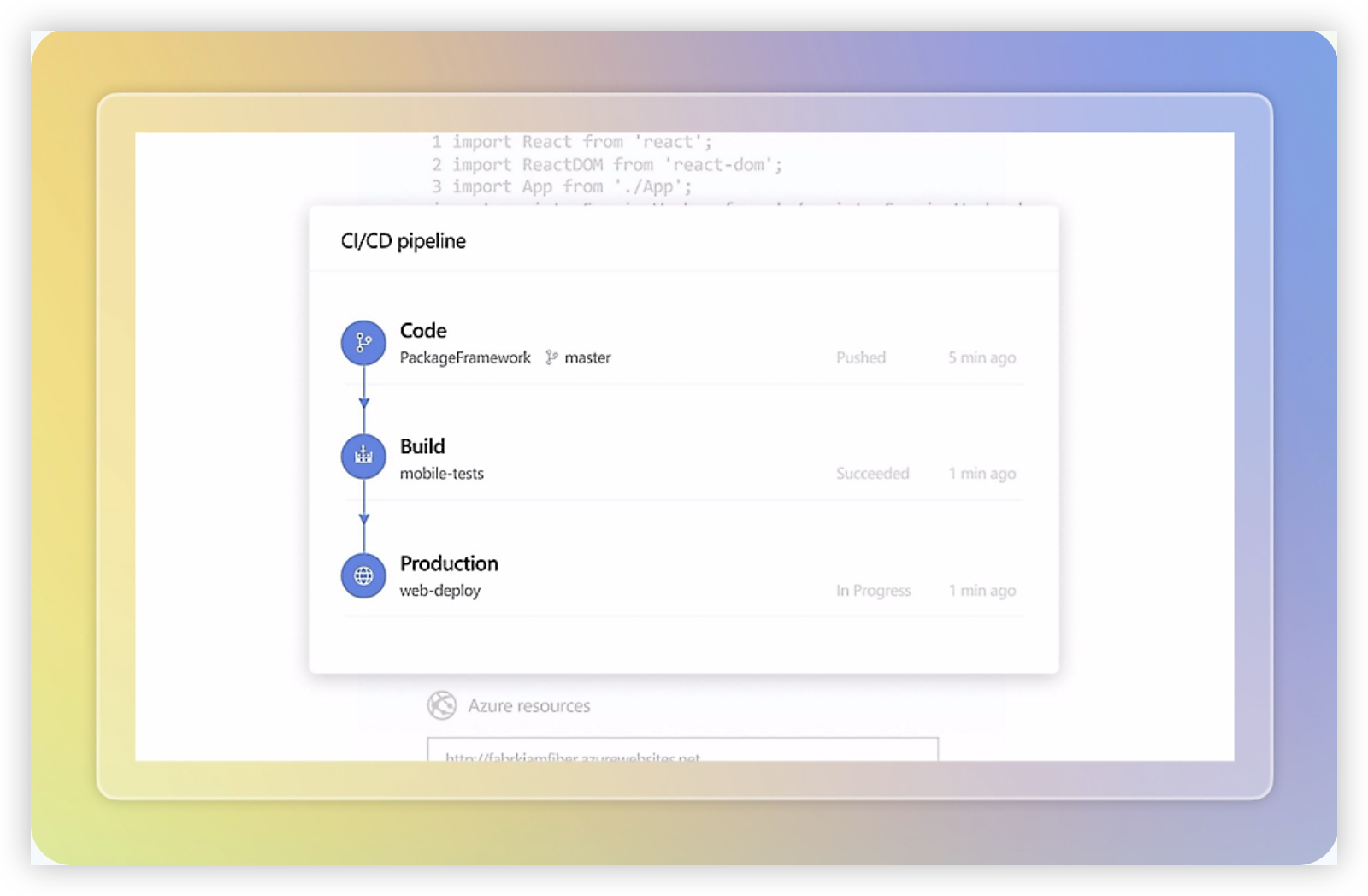
Azure DevOps is Microsoft’s suite for planning work, managing code, running CI/CD pipelines, and tracking tests. Its Azure Boards component provides agile boards, backlogs, sprints, queries, and customizable work items, making it a plausible destination if you’re moving Jira Software projects. It is not, however, a dedicated Jira backup product: adopting it and preserving a restorable copy of Jira are separate tasks.
Why It Was Selected
Azure DevOps is worth comparing because teams often evaluate a new work-management platform while planning a Jira move. Boards can support sprint execution and reporting, while repositories and pipelines keep delivery work close to engineering. That combination may simplify the toolchain for Microsoft-oriented teams. If your immediate need is a recoverable Jira backup, assess backup and export options separately rather than treating migration into Azure DevOps as a substitute.
Core Capabilities
Azure Boards supports Scrum, Kanban, and customized processes, with backlogs, sprint planning, task boards, work-item queries, and dashboards. Teams can track bugs and dependencies, set up fields and workflow states, and report through built-in charts or Power BI integrations. Git repositories, build and release pipelines, and test management are available in the wider Azure DevOps suite.
For Jira migration, third-party utilities can transfer selected work items and related data, but mapping and validation take planning. Expect to review custom fields, issue types, workflows, permissions, links, and attachments carefully. Migration moves data into a new system; it does not necessarily preserve a complete, independently restorable Jira snapshot.
Pros
Azure DevOps brings planning and engineering tools together, and its Boards features cover common agile routines without requiring a separate project-tracking product. Custom processes and queries help teams adapt work-item tracking. It can be a practical Jira alternative when developers already use Azure Repos, Pipelines, or Microsoft’s cloud ecosystem.
Cons
Azure DevOps Services does not give customers a simple downloadable, full-fidelity backup of the hosted service. Microsoft manages service resilience, but that is different from retaining a customer-controlled archive for point-in-time recovery. Azure DevOps Server offers a different model, including SQL database backup administration. Either way, Jira-to-Azure migration needs field mapping, testing, and a separate backup plan. Teams may also find Boards less flexible than Jira for complex workflows or reporting, and the broader suite can feel fragmented if they use only work tracking.
Pricing
Azure DevOps offers a free Basic access tier for the first five users; additional Basic users are paid, with rates varying by plan and region. Some capabilities, including advanced test management, may cost extra. Check Microsoft’s current pricing before budgeting, and account separately for migration tooling and backup storage.
Best For
Choose Azure DevOps if you want to move Jira work into a Microsoft-centered development environment and can dedicate time to migration validation. If the priority is simply protecting Jira data for recovery or audit, select a purpose-built backup approach and verify restore coverage, retention, and attachment handling before making a platform change.
Linear
Product Overview
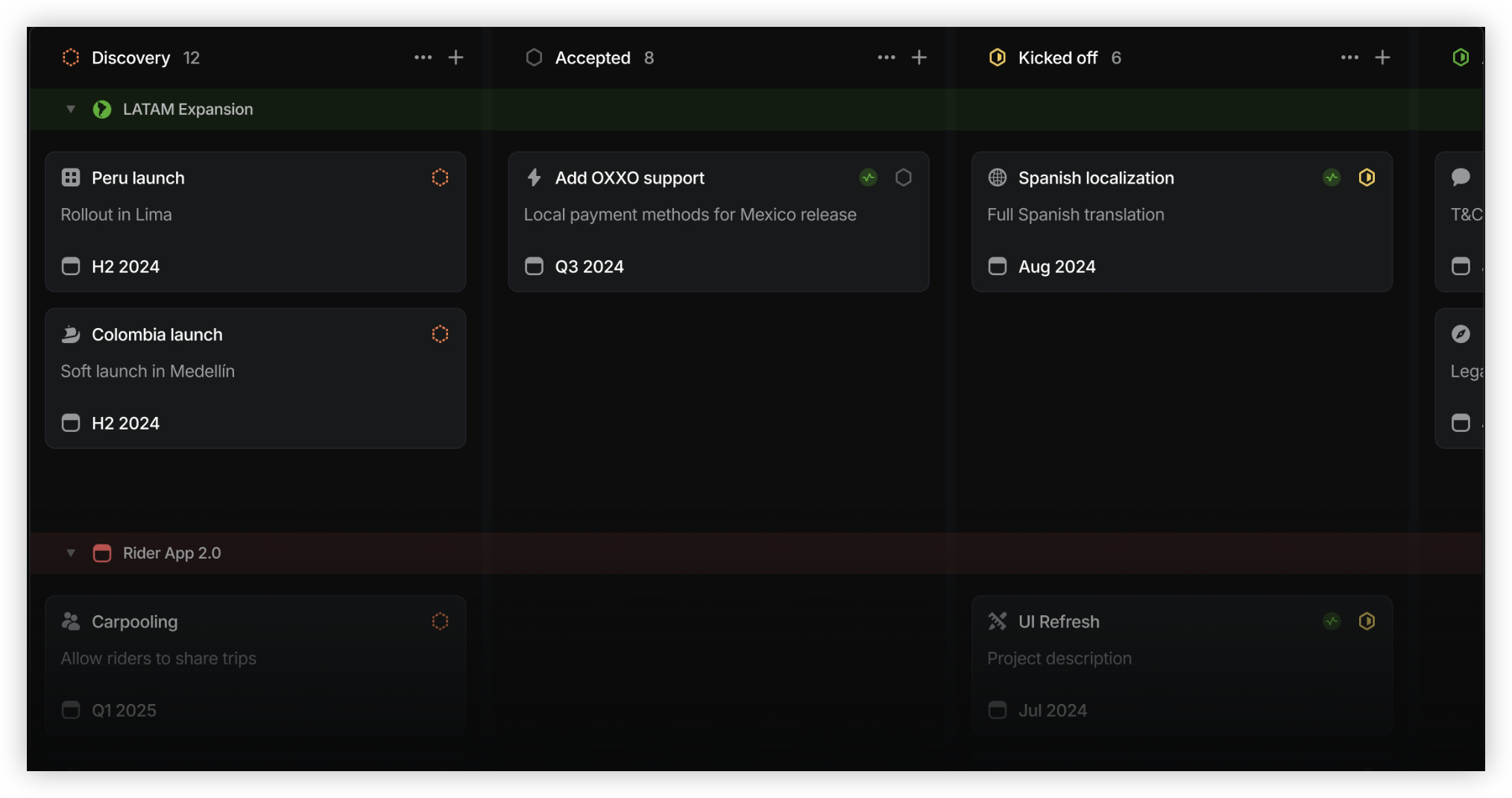
Linear is a project and issue-tracking platform built around teams, projects, cycles, and issues. It can serve as a place to continue managing software work after leaving Jira, but it is not a Jira backup product. If you need restorable snapshots of Jira data, attachments, configuration, or history, evaluate a dedicated backup solution separately.
Why It Was Selected
Linear is relevant to a Jira software backup comparison because teams often consider migration and ongoing work management alongside data protection. It offers a focused environment for planning and tracking engineering work, and its Jira import options can help move selected project data. That makes it worth assessing as a potential destination, not as a substitute for a tested backup and recovery plan.
Core Capabilities
Teams can organize issues into projects and cycles, assign owners, set priorities, and track work through configurable statuses. Roadmaps and project views help show progress across initiatives, while insights and reporting provide visibility into cycle progress and team activity. Automations can handle routine updates, and integrations connect Linear with common development and collaboration tools.
For Jira migration, Linear’s import tools can reduce manual re-entry for supported data. Still, an import is a transformation into a new system, not a complete archival copy. Before switching, test what happens to issue history, attachments, custom fields, workflows, permissions, links, and reporting. Keep an independent Jira backup until the migrated data has been checked and recovery requirements are covered.
Pros
Linear’s interface is streamlined, and its project, issue, and cycle model is easy for many software teams to adopt. Agile execution is visible without requiring extensive setup, and project views help teams follow work across milestones. The Jira import path can also make an initial migration less cumbersome than rebuilding every issue by hand.
Cons
Linear is not designed to preserve a recoverable copy of Jira, so it does not meet backup, point-in-time recovery, or disaster-recovery needs on its own. Its workflow customization and reporting may not match a Jira instance with complex schemes, plugins, or deeply tailored processes. Teams should also validate migration coverage rather than assume every Jira object or historical detail will transfer unchanged.
Pricing
Linear offers a free plan and paid plans with per-user pricing. Plan limits and prices can change, so check Linear’s current pricing page and confirm which features, integrations, and administrative controls your team needs before budgeting.
Best For
Linear is best for software teams looking for a cleaner place to manage issues, projects, and agile cycles, especially when they are considering a Jira migration. Choose it as a work-management destination only after checking migration fit; pair it with a separate backup strategy if preserving and restoring Jira data is the actual requirement.
ClickUp
Product Overview
ClickUp is a cloud-based work management platform for organizing projects, tasks, documents, and team updates in one workspace. For teams comparing Jira Software backup options, it is better understood as a possible destination for project work than as a backup product. It does not provide a like-for-like, restorable backup of a Jira instance, including its configuration, history, and app data.
Why It Was Selected
ClickUp is worth considering when a Jira backup review is also prompting a broader look at project tracking or migration. Its flexible task views and configurable workflows can support agile teams that want to manage work without reproducing every Jira feature. That flexibility has a tradeoff: moving projects to ClickUp does not preserve a complete Jira environment, so teams should treat migration and backup as separate workstreams.
Core Capabilities
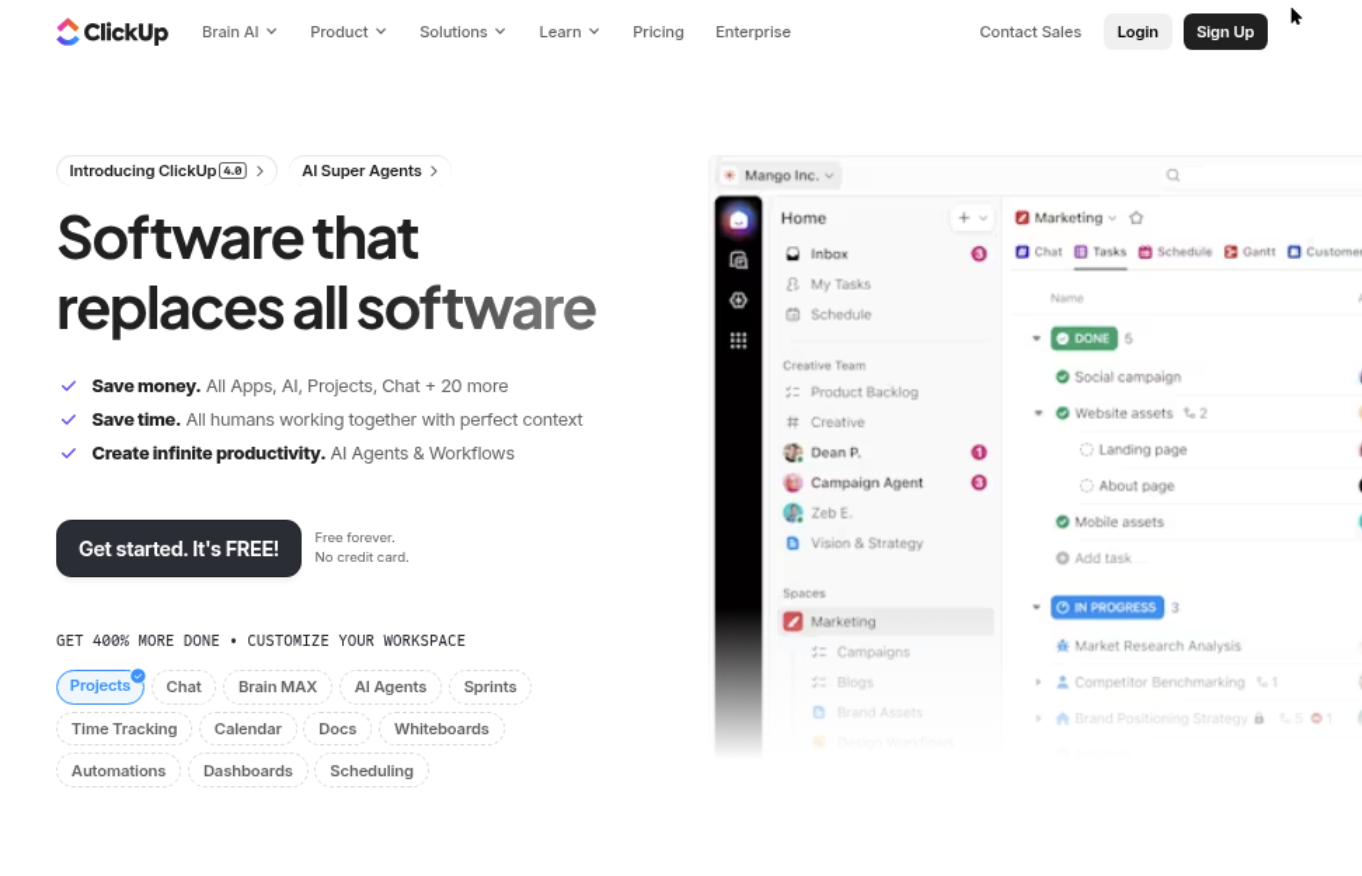
ClickUp supports task hierarchies, custom fields, statuses, boards, sprints, dashboards, automations, and documentation. Teams can track work in list, board, calendar, and timeline-style views, then use dashboards to report on progress. Custom statuses and fields help model team-specific processes, while comments and document features keep discussion and reference material near project work. Available functionality can vary by plan and configuration.
For a Jira transition, inventory the Jira projects, workflows, permissions, attachments, issue links, history, and Marketplace app dependencies you need to retain. Test a representative project import and validate the results before moving active work. Keep a separate Jira backup and recovery plan; an export or migration into ClickUp is not a substitute for a verified, restorable backup.
Pros
ClickUp offers broad project-tracking and reporting options in a single workspace, with enough workflow customization for many teams to shape boards around their delivery process. Multiple views can help different roles work from the same task data, and built-in documentation can reduce the need to scatter project notes across separate tools. It can suit teams that want a flexible Jira alternative for day-to-day execution rather than a strict Jira replica.
Cons
ClickUp is not designed to back up or restore Jira Software. Migration may not carry over every Jira field, workflow behavior, permission, app capability, or historical detail exactly as expected, so validation takes time. Teams with complex Jira schemes may need to simplify processes or rebuild them, and extensive customization can make ClickUp harder to administer consistently. Its many views and settings can also feel busy for teams seeking a focused agile tracker.
Pricing
ClickUp offers a Free Forever plan and paid tiers, with pricing and included features depending on plan, billing terms, and seat count. Check current plan limits for automations, storage, reporting, and administrative controls before choosing. Budget separately for migration work and a dedicated Jira backup solution if recoverability is required.
Best For
ClickUp is best for teams considering a move from Jira that want configurable task management, sprint tracking, and reporting in a broad work platform. It is not the right choice when the primary requirement is scheduled Jira backups, point-in-time recovery, or a faithful archive of Jira data and configuration.
Monday
Product Overview
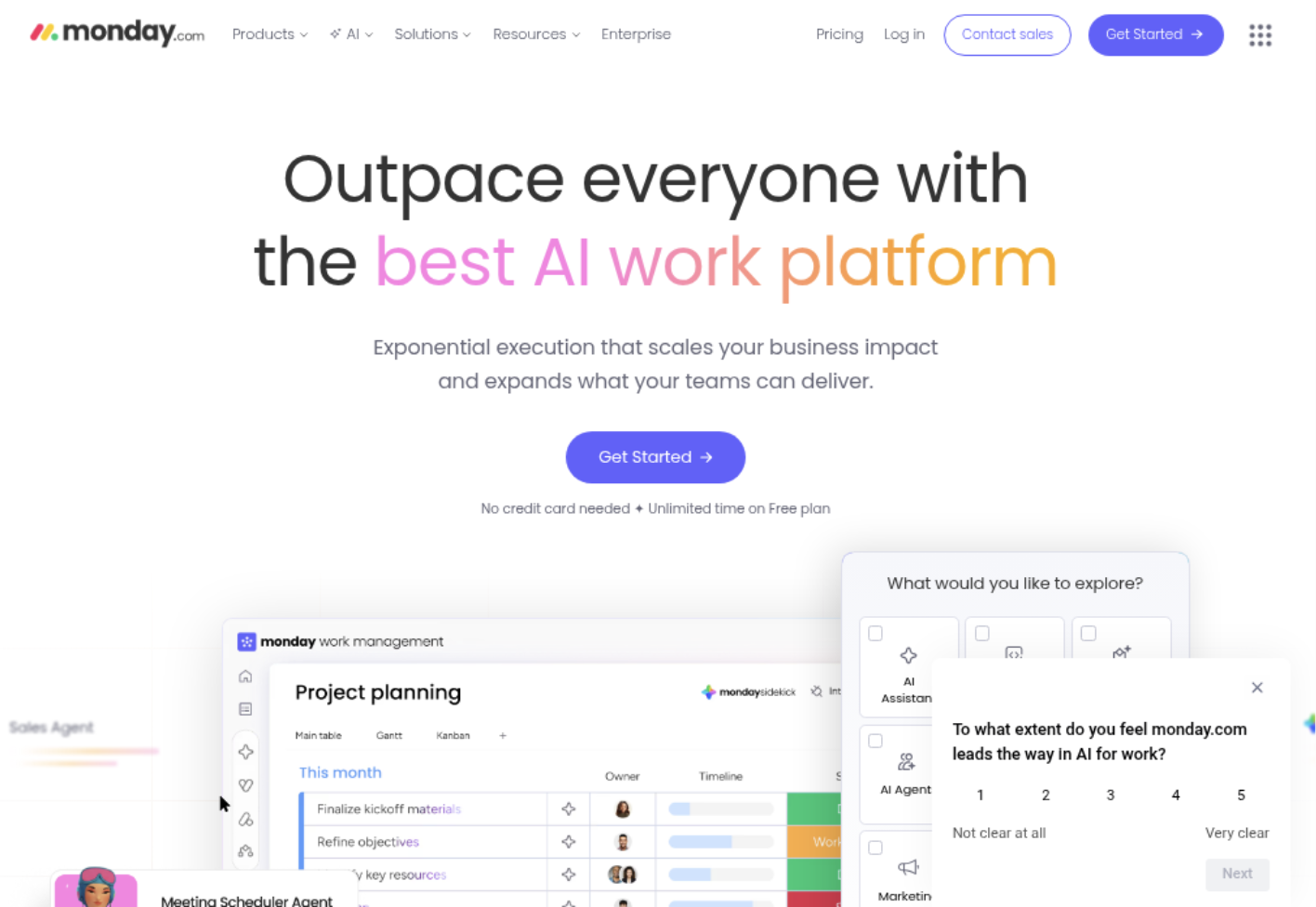
Monday.com is a visual work management platform for organizing projects, tracking tasks, and building workflows around boards. It can support software teams coordinating sprints, releases, and cross-functional work, but it is not a dedicated Jira backup product. If your priority is protecting Jira project data, Monday should be assessed as a possible destination for some work—not as a substitute for a purpose-built backup and restore process.
Why It Was Selected
Monday is worth considering in a Jira software backup comparison because teams may be evaluating what to do with project work as well as how to preserve it. Its configurable boards and reporting can help teams rebuild active workflows or move selected project information. That is different from backing up Jira: a board export or migration should not be assumed to preserve Jira’s complete history, permissions, issue relationships, custom configuration, or app data.
Core Capabilities
Teams can create boards for backlogs, sprint work, bugs, and release tracking, then customize columns, statuses, and views to match how they operate. Automations can handle routine updates and notifications, while dashboards bring together progress and workload information. Those features are useful for day-to-day execution, but teams planning a transition from Jira should map their workflows and test representative data before committing. In particular, confirm what transfers, what needs rebuilding, and how records will be retained for audit or recovery.
Pros
Monday’s visual boards are approachable for teams that want to see ownership, status, and deadlines at a glance. Custom fields and workflow options make it adaptable to different project types, and dashboards can give managers a consolidated view without manually combining board updates. It can work well when a team wants a flexible project workspace alongside a separately managed backup strategy.
Cons
Monday is not designed to provide a full-fidelity Jira backup or point-in-time Jira restore. Exporting or migrating selected data may leave gaps in issue history, workflow behavior, integrations, or app-specific information, so teams should validate the migration rather than treating it as a recovery copy. Its flexible setup can also require ongoing administration, and software teams with complex agile processes may need to recreate conventions that were already established in Jira. Keep an independent backup plan for Jira data you must retain.
Pricing
Monday offers a limited free plan and paid tiers with different capabilities; pricing and seat minimums can change, so check the current plan page and calculate the cost for your team size. A Monday subscription does not itself provide Jira backup coverage.
Best For
Monday is best for teams considering a visual project-management workspace or selectively rebuilding active Jira workflows. It is a weaker fit if your main requirement is reliable Jira backup, complete historical retention, or tested restoration. Treat project migration and data protection as separate decisions.
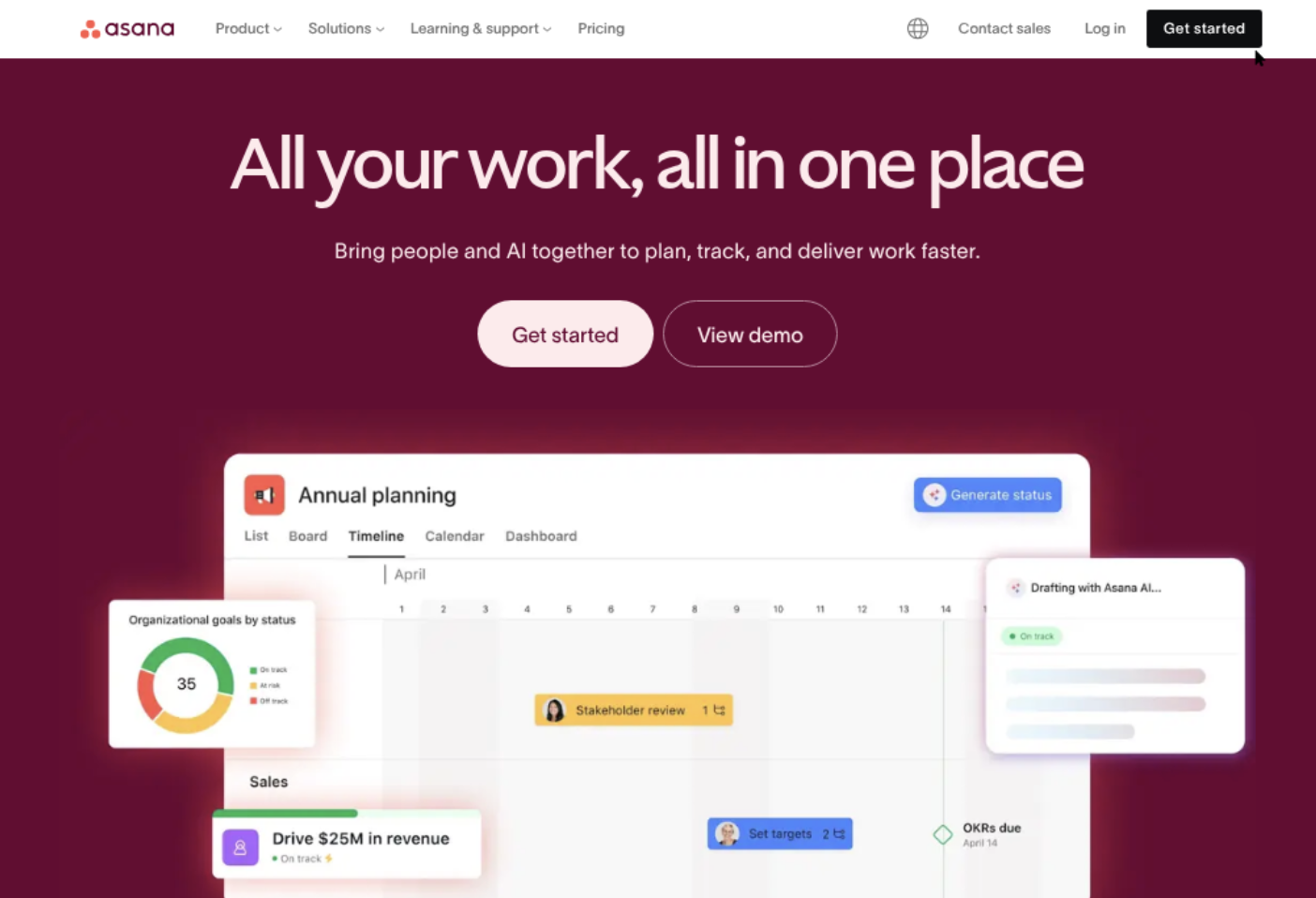
Asana
Product Overview
Asana is a work management platform for coordinating projects, tasks, owners, deadlines, and team updates. It can help teams organize work after moving away from Jira, but it is not a Jira backup product. If your main requirement is a recoverable copy of Jira data, Asana does not replace a dedicated backup service with scheduled backups, point-in-time recovery, or Jira-specific restore controls.
Why It Was Selected
Asana is worth including because teams comparing Jira backup options may also be planning a change in how they track projects. It offers a different way to manage work, with an emphasis on accessible task coordination and cross-functional visibility. That makes it relevant to migration planning, but moving tasks into Asana should not be mistaken for preserving a complete, restorable Jira instance. Check which issue fields, history, attachments, permissions, and relationships your migration method actually transfers.
Core Capabilities
Teams can organize work in list, board, timeline, and calendar views, then assign owners, due dates, dependencies, and custom fields. Rules can automate routine updates, while dashboards and reporting help managers review workload and project progress. Asana integrates with other workplace tools, and its Jira integration can connect work across the platforms; this is useful for coordination, not a substitute for backup or restore.
For a Jira transition, teams can use structured imports or migration tools to recreate selected project work, then adapt workflows and reporting to Asana’s model. Plan for testing and reconciliation: an import may not preserve every Jira configuration, audit detail, permission rule, or app-specific behavior.
Pros
Asana is approachable for teams that want clear task ownership and status without requiring every contributor to learn a highly configurable issue-tracking system. Multiple views support different planning styles, and automation, custom fields, and reporting can reduce routine coordination. Its cross-team project structure can also make dependencies and delivery dates easier to communicate.
Cons
Asana does not provide purpose-built Jira backups or a Jira restore workflow, so it is a poor fit if recovery is the primary need. Jira configurations, issue history, permissions, and Marketplace app data may require separate migration work and may not map cleanly. Advanced software teams may also find that Asana’s workflows and issue-management depth do not match their existing Jira processes. Keep an independent Jira backup until migration validation is complete.
Pricing
Asana has a free Personal plan and paid tiers, with pricing dependent on plan, billing term, and region. Confirm current plan limits and costs before choosing it; backup and migration tooling may add separate charges.
Best For
Asana suits teams considering a simpler project-tracking destination alongside a Jira transition, rather than teams seeking Jira backup and disaster recovery. If your goal is replacing Jira with a platform that also supports software development management, ONES.com is a Jira alternative to evaluate; keep backup and migration requirements as separate decision criteria.
How to Choose the Right Jira Software Backup
Start by clarifying what you mean by “backup.” If you need a replacement environment for Jira project tracking, compare workflow fit, reporting, integrations, and deployment. If you need point-in-time copies and reliable restores, evaluate dedicated backup products instead; a project-management platform is not a substitute.
For a Jira alternative, map one representative project before committing. Include its issue types, custom fields, statuses, sprint routines, reports, and integrations. A short migration test will reveal whether the new tool preserves the way your team actually works.
- For configurable software delivery with flexible hosting: evaluate ONES.com, especially if on-premise, private cloud, or air-gapped deployment matters.
- For Microsoft-centered development workflows: compare Azure DevOps against your current toolchain and reporting needs.
- For a focused product-engineering workflow: consider Linear and test whether its conventions match your team.
- For broader project coordination: compare ClickUp, Monday, and Asana using the same real project and required views.
Selection Summary and Final Recommendation
ONES.com is a strong first option when you want a Jira alternative that brings requirements, task breakdown, sprint and project tracking, workflow customization, reporting, and knowledge support together. Its cloud and self-managed deployment choices also make it worth assessing when hosting control is important.
There is no universal best fit: Azure DevOps may suit Microsoft-focused teams, Linear may suit teams seeking a more focused development workflow, and ClickUp, Monday, or Asana may fit broader coordination needs. Before selecting any option, validate a sample migration and confirm whether you need project continuity, data restoration, or both.
Frequently Asked Questions
Are these tools Jira backup products?
No. They are project-management or software-development platforms that can serve as alternatives for managing work. For restorable Jira data copies, assess a dedicated backup solution.
Which option is best for a team that needs to host its own platform?
ONES.com offers on-premise, private cloud, and air-gapped deployment options, alongside cloud deployment. Azure DevOps Server is another self-hosted option for teams working within the Microsoft ecosystem.
What should I test before moving Jira workflows?
Test representative issue types, fields, statuses, sprint processes, reports, permissions, and integrations. Confirm how existing data maps to the destination and whether the team can maintain its essential workflows.
Which option is best for cross-functional project coordination?
ClickUp, Monday, and Asana are worth comparing for broader project coordination. Try the same real project in each and check task ownership, views, reporting, and how easily non-technical teams can participate.
FAQs About Jira Software Backup
Are these tools Jira backup products?
No. They are project-management or software-development platforms that can serve as alternatives for managing work. For restorable Jira data copies, assess a dedicated backup solution.
Which option is best for a team that needs to host its own platform?
ONES.com offers on-premise, private cloud, and air-gapped deployment options, alongside cloud deployment. Azure DevOps Server is another self-hosted option for teams working within the Microsoft ecosystem.
What should I test before moving Jira workflows?
Test representative issue types, fields, statuses, sprint processes, reports, permissions, and integrations. Confirm how existing data maps to the destination and whether the team can maintain its essential workflows.
Which option is best for cross-functional project coordination?
ClickUp, Monday, and Asana are worth comparing for broader project coordination. Try the same real project in each and check task ownership, views, reporting, and how easily non-technical teams can participate.