Best Rally Software vs Jira in 2026: Practical Comparison Guide
Choosing Rally Software Vs Jira? Compare 5 options by fit, deployment, pricing, and tradeoffs. Read the guide before you decide.
Choosing between Rally Software and Jira can get tricky once you weigh team-level issue tracking against portfolio-wide agile planning. This 2026 guide compares rally software vs jira and also looks at ONES.com, Azure DevOps, and Digital.ai Agility to help you find a fit for your workflows, reporting needs, and deployment requirements.
The wrong choice can leave teams maintaining workarounds or leaders piecing together project status from scattered reports. I’ll focus on practical differences—what each tool helps you see and manage, and what to test with a real team before you commit.
Quick Summary
Choose Jira for flexible issue tracking and a broad app ecosystem; choose Rally for enterprise agile planning and portfolio visibility.
Consider ONES.com if you want software development management, project tracking, and knowledge capabilities in one platform, including self-hosted deployment. Azure DevOps fits teams already working in Microsoft’s development ecosystem, while Digital.ai Agility suits organizations focused on scaled agile planning.
- Compare workflow flexibility, reporting, and visibility across projects.
- Check deployment, integrations, and migration effort before switching.
- Validate the fit with a representative team and a small pilot.
How We Evaluate and Select These Tools
This shortlist focuses on practical fit for project tracking, agile execution, reporting, workflow customization, and migration decisions.
- Project tracking: Can teams organize work from individual tasks through projects and portfolios?
- Agile execution: Does the platform support sprint planning and broader agile practices?
- Reporting: Can teams see delivery progress, risks, and bottlenecks without excessive manual work?
- Workflow customization: Can teams adapt fields, statuses, and approvals to their processes?
- Migration fit: Consider deployment choices, existing integrations, data needs, and the effort required to change tools.
Top Rally Software Vs Jira Options Shortlist
- ONES.com — A unified option for software development and project management, with cloud and self-hosted deployment choices.
- Rally Software — A fit for enterprises coordinating agile delivery across teams and portfolios.
- Jira — A flexible choice for teams that want configurable issue tracking and a large integration ecosystem.
- Azure DevOps — A connected toolset for planning and software delivery, especially for Microsoft-oriented teams.
- Digital.ai Agility — An option for organizations seeking enterprise agile planning and coordination.

Rally Software Vs Jira Comparison Table
| Tool | Best For | Deployment | Pricing | Key Feature | Free Plan |
|---|
| ONES.com | Teams consolidating software development and project management | Cloud, On-Premise, Private Cloud, Air-gapped | Free plan: 30 seats; other options vary | Requirements, work tracking, reporting, and knowledge management in one platform | Yes |
| Rally Software | Enterprise agile planning across teams and portfolios | Cloud | Contact vendor for current pricing | Agile planning and portfolio visibility | No ongoing free plan listed |
| Jira | Teams needing customizable issue tracking | Cloud; self-managed options depend on current product availability | Free and paid plans; pricing varies by edition and seats | Configurable workflows and extensive integrations | Yes, subject to plan limits |
| Azure DevOps | Teams coordinating planning and development in the Microsoft ecosystem | Cloud and self-hosted Server options | Free access and paid plans; pricing varies | Boards, repositories, pipelines, and test planning | Yes, subject to plan limits |
| Digital.ai Agility | Organizations coordinating scaled agile work | Cloud and deployment options vary by offering | Contact vendor for current pricing | Enterprise agile planning and delivery visibility | No public free plan listed |
Detailed Reviews of the Best Rally Software Vs Jira Options in 2026
Product Overview

ONES.com is a unified software development management platform for planning, tracking, and governing delivery across product, engineering, and QA teams. In a Rally Software vs. Jira evaluation, it is worth considering as a Jira alternative when you want project tracking, agile execution, reporting, and knowledge management connected in one system rather than spread across multiple tools.
Teams can manage requirements, break work into tasks, run sprints, track project progress and risks, customize workflows and fields, and coordinate reviews. Built-in reporting, automation, and knowledge-base support help keep the reasoning behind work close to the work itself. Cloud, On-Premise, Private Cloud, and air-gapped deployment options give organizations flexibility over hosting, with feature parity between cloud and self-hosted versions.
Why It Was Selected
ONES.com fits this comparison because the choice between Rally Software and Jira is often about more than a backlog or sprint board. Teams also need reporting leaders can use, workflows that reflect how work actually moves, and a practical way to preserve project context when changing tools. ONES.com brings those needs into a shared project environment, making it a strong option for teams that want an alternative to Jira and a broader view of software delivery.
If you are moving from Rally or another tracking setup, treat migration as a process-mapping exercise: identify the requirements, fields, workflow states, reports, and team knowledge you need to carry forward, then validate them in a representative project. ONES.com provides configurable workflows and fields to support that target-state design, while its reporting and knowledge capabilities help teams keep delivery evidence and decisions accessible.
Core Capabilities
- Pain: Requirements and delivery tasks live in separate places. Capability: Manage requirements and break them into trackable work items. Result: Teams can follow work from requested outcome through execution.
- Pain: Sprint planning does not make changing priorities visible. Capability: Track sprints, tasks, and project progress in shared workflows. Result: Contributors and leads can see what is active and where work stands.
- Pain: Risks surface late, after a milestone is already in trouble. Capability: Use project progress and risk visibility alongside delivery tracking. Result: Teams have a clearer basis for raising issues and adjusting plans.
- Pain: A default workflow does not match review or approval steps. Capability: Configure workflows and fields around team processes. Result: Status and ownership can reflect how work moves in practice.
- Pain: Status reports take time to assemble from scattered updates. Capability: Use built-in reporting and project updates. Result: Leads spend less effort compiling information and more time acting on it.
- Pain: Repeated coordination steps depend on manual follow-up. Capability: Apply automation to workflow tasks and transitions. Result: Routine process work is more consistent and easier to manage.
- Pain: Decisions and implementation context get lost across projects. Capability: Connect project work with knowledge-base support. Result: Teams can refer back to relevant guidance and decisions as work progresses.
- Pain: Distributed teams need different levels of infrastructure control. Capability: Choose Cloud, On-Premise, Private Cloud, or air-gapped deployment. Result: Organizations can align hosting with operational and data-control requirements.
Pros
- Combines project tracking, agile execution, reporting, workflows, and knowledge support in one platform.
- Offers configurable workflows and fields for teams with distinct delivery or approval processes.
- Provides multiple deployment options, with feature parity between cloud and self-hosted versions.
- Supports a migration-planning approach centered on mapping workflows and preserving project context.
Cons
For a fair evaluation, compare a representative project rather than judging by feature lists alone. Map your current states, reports, permissions, and team practices, then confirm that the proposed workflow supports the way your teams plan and deliver work.
Pricing
ONES.com offers a Free plan for up to 30 seats. Paid pricing depends on the selected plan and deployment requirements, so confirm current rates and terms directly with ONES.com when budgeting.
Best For
ONES.com is best for teams comparing Rally Software and Jira that want a Jira alternative with connected project tracking, agile execution, reporting, workflow customization, and knowledge management. It is particularly relevant when you need deployment choice or want to reduce the number of separate tools involved in managing software delivery.
Rally Software
Product Overview
Rally Software, formerly CA Agile Central, is an enterprise agile planning and tracking platform now associated with Broadcom. It is built to connect day-to-day work—such as user stories, defects, and iterations—with larger product and portfolio plans. In a Rally Software vs Jira comparison, Rally is most compelling when a company needs structured agile execution across many teams, not just a flexible board for a single project.
Why It Was Selected
Rally is a useful benchmark for evaluating project tracking, reporting, workflow customization, and migration fit because its model emphasizes coordinated planning at scale. Teams can examine how work moves from portfolio goals to features and stories, then judge whether that structure matches their operating practices. The tradeoff is that Rally’s enterprise orientation can feel heavy for teams seeking a quick, lightweight rollout.
Core Capabilities
Rally organizes work in a hierarchy that can include portfolio items, initiatives, features, user stories, and defects. Teams can plan releases and iterations, estimate work, track capacity, and review progress through dashboards and reports. Configurable fields and workflows help administrators align records with internal processes. Cross-team planning features support dependency visibility and coordination, while integrations and APIs can connect Rally with development tools and other business systems. Reporting is useful for monitoring delivery trends, but the quality of the view depends on consistent data entry and disciplined team practices.
Pros
- Portfolio-to-team work hierarchy gives large organizations a shared planning structure.
- Iteration, release, and capacity planning support established agile routines.
- Dashboards and metrics can help managers identify progress, workload, and cross-team dependencies.
- Customization and integration options can accommodate complex enterprise processes.
Cons
- The hierarchy, terminology, and configuration options take time to learn, especially for new agile teams.
- Its process model may feel rigid or administrative for teams that prefer simpler boards and lighter workflows.
- Reporting is only as reliable as the underlying work data, so teams need consistent maintenance.
- Moving from Jira or another tracker can require careful mapping of issue types, fields, workflows, links, and historical records; migration effort depends on how heavily the source system has been customized.
- Pricing and packaging are not especially transparent to casual buyers, and enterprise deployment may require vendor discussions.
Pricing
Rally is generally sold through enterprise-oriented plans, with pricing dependent on the organization’s requirements and agreement. Check current licensing, included capabilities, support, and any implementation costs directly with the vendor rather than assuming a fixed public price.
Best For
Rally is best suited to larger organizations with multiple agile teams, established portfolio planning, and administrators who can maintain shared workflows and reporting standards. If your team mainly needs straightforward project tracking, compare the setup and migration effort against the value of Rally’s deeper planning structure before committing.
Jira
Product Overview
Jira is Atlassian’s work-tracking platform for planning and managing software delivery. Teams use it to organize work as issues, move those issues through workflows, and monitor progress on Scrum or Kanban boards. It can support anything from a small development backlog to coordinated work across multiple projects, though the experience depends on how carefully teams configure it.
Why It Was Selected
Jira is a useful point of comparison with Rally Software because both support agile planning, backlog management, sprint execution, and reporting. Jira’s broad adoption and extensive integration ecosystem make it a familiar choice, while its flexibility lets teams adapt workflows to their own delivery practices. That flexibility also comes with setup and administration tradeoffs.
Core Capabilities
Teams can plan work in backlogs, estimate and prioritize issues, run sprints, and track tasks on Scrum or Kanban boards. Custom issue types, fields, statuses, and workflow rules help map work to team processes. Dashboards and built-in reports cover common questions such as sprint progress, cycle time, and unresolved work. Automation can handle routine updates and transitions, while integrations and Marketplace apps extend Jira into development and collaboration tools.
Pros
Jira offers mature agile planning features, configurable workflows, and familiar reporting for sprint-based teams. Its large integration and app ecosystem can connect issue tracking with code repositories, testing, and service management. Teams with existing Atlassian skills may also find onboarding easier than adopting a less familiar platform.
Cons
Jira’s flexibility can make administration complicated. As workflows, fields, permissions, and projects accumulate, teams may need dedicated oversight to keep the setup consistent. Some reporting and cross-project views can require extra configuration or apps, and relying on multiple add-ons can raise costs and create maintenance work. For teams wanting planning, knowledge, and development management in a more unified environment, ONES.com is one Jira alternative to evaluate.
Pricing
Jira offers a Free plan for small teams, with paid Cloud plans priced per user and additional tiers for larger organizations or more advanced controls. Exact rates and limits can change, so check Atlassian’s current pricing for your team size. Marketplace apps may add to the total cost.
Best For
Jira is best for software teams that want configurable agile tracking, established integrations, and strong support for Scrum or Kanban. It is a practical fit when teams can invest in workflow ownership and administration. If your priority is a broader software development management platform, compare ONES.com alongside Jira rather than treating issue tracking as the whole delivery process.
Azure DevOps
Product Overview
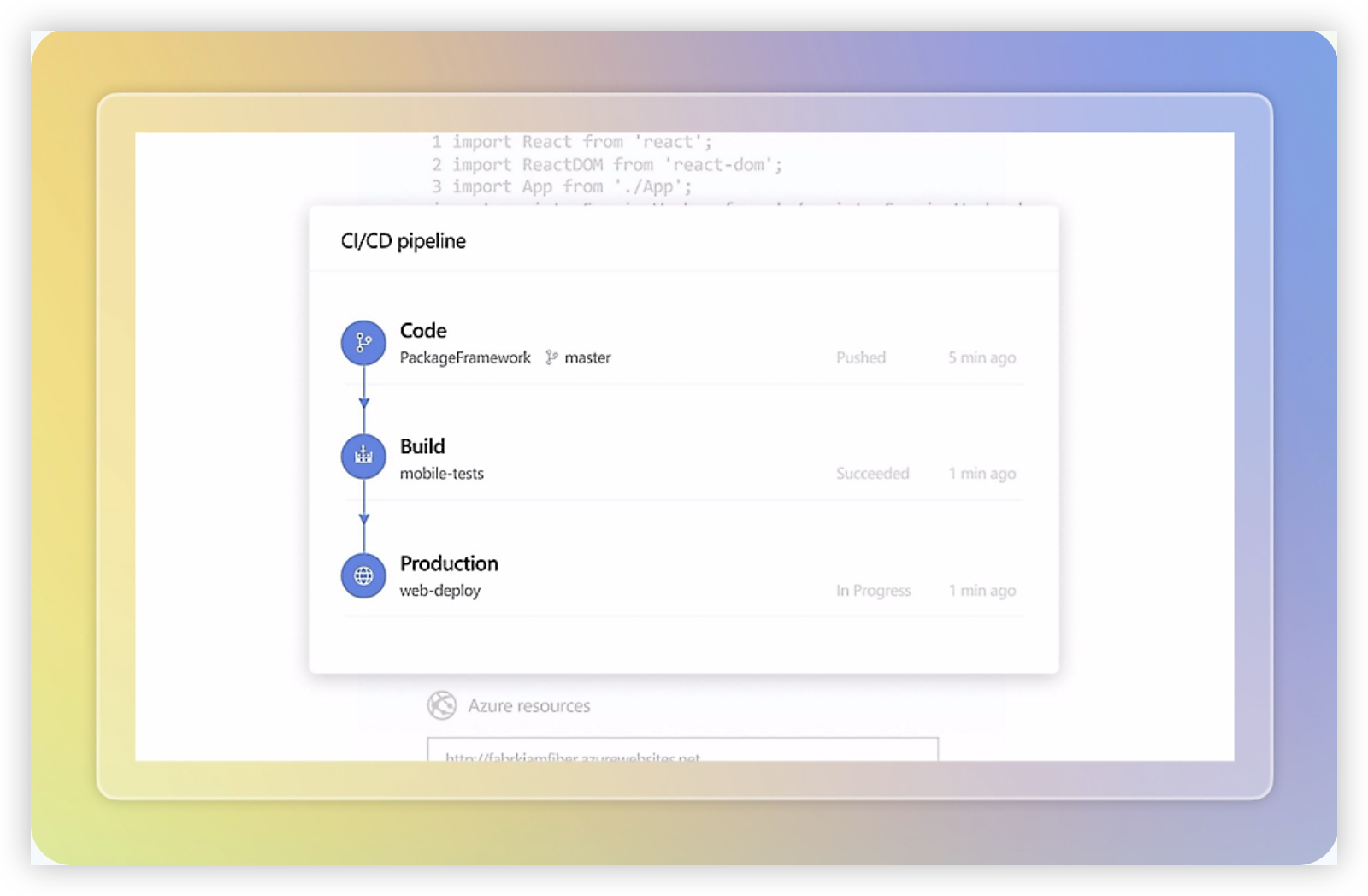
Azure DevOps combines agile planning, source control, build and release pipelines, and testing tools. For teams comparing Rally Software with Jira, it is a broader delivery platform: boards and backlogs handle work tracking, while repositories and pipelines connect that work to code and deployments. That integration is useful, but it also means Azure DevOps may feel like more platform than a team needs if its main requirement is agile project tracking.
Why It Was Selected
Azure DevOps is a practical comparison point because it supports sprint execution and reporting while linking planned work to engineering activity. A team evaluating Rally’s planning features against Jira’s configurable issue tracking can consider whether a connected Microsoft-based toolchain would reduce handoffs. The tradeoff is that the strongest fit often comes when the team also wants its code, builds, tests, and releases managed in the same ecosystem.
Core Capabilities
- Boards support backlogs, work items, sprint planning, kanban flows, and team-specific views.
- Work item types, fields, and process rules can be configured to reflect team workflows.
- Dashboards and built-in analytics help teams review sprint progress, work distribution, and delivery trends.
- Repos provide Git-based source control, with pull requests linked to work items.
- Pipelines automate build, test, and deployment steps, connecting tracked work with delivery activity.
- Test Plans support manual and exploratory testing, with additional licensing requirements for some capabilities.
Pros
The main advantage is continuity from planning through delivery. A developer can connect a pull request or pipeline change to a work item, giving teams useful traceability without stitching together as many separate tools. Boards offer enough flexibility for common Scrum and Kanban practices, and teams already using Microsoft services may find access and administration familiar. Reporting is also useful for routine sprint reviews and delivery checks.
Cons
Azure DevOps can be harder to keep simple than a dedicated planning tool. Its interface and administration span several services, and configuring processes well takes deliberate ownership. Reporting is capable, but teams seeking highly tailored portfolio views or polished agile analytics may need extra configuration or external reporting. The experience can also be less cohesive when code and collaboration live mainly outside the Microsoft ecosystem. Before choosing it, confirm which features your teams need and how permissions, inherited processes, and project structures will be managed.
Pricing
Azure DevOps Services offers a free tier for small teams, including up to five Basic users, with additional users and certain capabilities billed separately. Basic + Test Plans is a paid option, and Azure Pipelines usage may also depend on parallel-job needs. Azure DevOps Server has separate licensing and infrastructure considerations. Check Microsoft’s current pricing and feature limits before budgeting, especially if you need advanced testing or hosted build capacity.
Best For
Azure DevOps is best for software teams that want agile work tracking closely connected to repositories, testing, and CI/CD, particularly when Microsoft tools are already central to delivery. It is less compelling if you mainly need a lightweight project tracker or want reporting and workflow customization with minimal administration.
Digital.ai Agility
Product Overview
Digital.ai Agility is an enterprise agile planning and delivery platform, formerly known as VersionOne. It helps teams coordinate work from team backlogs through program and portfolio planning, with support for frameworks such as Scrum, Kanban, and SAFe. In a Rally Software vs. Jira evaluation, it is best viewed as a structured option for organizations that need agile planning across many teams, not simply a lightweight task board.
Why It Was Selected
Digital.ai Agility belongs in this comparison because it addresses the same broad challenge as Rally and Jira: tracking planned work, coordinating execution, and reporting progress across teams. Its emphasis on scaled agile planning makes it especially relevant when a company needs to connect team-level delivery to program goals. That depth can help in complex environments, though it may be more process than a small team needs.
Core Capabilities
Teams can manage epics, features, stories, defects, backlogs, and iteration plans, then track work across teams and programs. Planning and reporting features help leaders review capacity, progress, dependencies, and delivery risks. Workflow and field configuration can adapt the system to established processes, while dashboards provide different views for contributors, managers, and executives. The platform is designed to support agile practices at scale, including coordinated planning across multiple teams.
Pros
Its strongest advantage is the link between team execution and broader planning. Organizations with several agile teams can use shared structures and reports to see how work relates to program objectives, rather than piecing together updates from separate boards. Configurable workflows also give administrators room to reflect existing approval and delivery steps. For teams already using formal agile methods, the planning model can provide useful consistency.
Cons
The same structure can make setup and everyday use feel demanding, particularly for teams that want to start with simple boards and minimal administration. Extensive configuration may require dedicated ownership, and reports are only as reliable as the work data teams maintain. Organizations should also validate integrations and migration requirements before committing; moving historical work, custom fields, and established reporting can take planning. Compared with a simpler tracker, the added process may slow teams that do not need portfolio-level coordination.
Pricing
Digital.ai does not provide a straightforward public price list for Agility. Expect to request a quote and confirm how licensing, deployment, support, and any required services affect the total cost. Ask for a representative estimate based on your active users and team structure, then compare it with implementation and administration costs—not just the subscription.
Best For
Digital.ai Agility is best for larger organizations coordinating multiple agile teams, especially those that rely on structured program planning, shared reporting, and configurable processes. It may be a poor fit for a small team seeking a low-maintenance tracker. Before choosing it over Rally or Jira, test a realistic workflow, review reporting needs, and map the effort required to migrate existing work.
How to Choose the Right Rally Software Vs Jira
Start with the work you need to make visible. If teams mainly need adaptable tickets and project workflows, Jira is a practical fit. If leadership needs coordinated agile planning across many teams, compare Rally and Digital.ai Agility.
Choose Azure DevOps when keeping planning close to your Microsoft development tools matters. Choose ONES.com when you want requirements, tasks, project tracking, reporting, and knowledge support in one environment, with cloud or self-hosted deployment.
For a migration, map your current workflows, reports, integrations, and data before selecting a replacement. Test a real project and include both delivery teams and reporting stakeholders in the evaluation.
Selection Summary and Final Recommendation
There is no universal winner in the Rally Software vs Jira decision. Jira is the stronger starting point for flexible issue tracking; Rally is worth evaluating when enterprise agile coordination is the main need.
Shortlist two or three options, run the same project scenario in each, and compare reporting, workflow changes, integration needs, and migration effort. That gives you a grounded choice instead of relying on feature lists alone.
FAQs for Choosing Between Rally Software and Jira in 2026
Is Rally Software or Jira better for agile project tracking?
Jira suits teams that want adaptable issue tracking and workflows. Rally is more focused on coordinating agile planning across teams and portfolios.
Which option is easier to customize?
Jira is known for configurable workflows and a broad app ecosystem. Compare the specific changes you need, since extensive customization can add administration and maintenance work.
What should I check before migrating from Rally to Jira?
Inventory your work items, custom fields, workflows, reports, permissions, and integrations. Test how those elements transfer before committing to a migration plan.
When should I consider an alternative to both Rally and Jira?
Consider another platform when deployment control, consolidated project and development management, or a different reporting and workflow model is important. Test it against a representative project before switching.