Jira Application Explained: A Practical Guide for Teams 2026
Need a clearer workflow? This Jira application guide shows teams how to organize tasks, track progress, and manage projects. Read now to learn!
Teams often adopt Jira application because work becomes difficult to track once projects involve multiple people, deadlines, dependencies, and constant change. Tasks sit in chat threads, priorities shift without warning, and managers spend too much time asking for status updates.
That confusion creates real costs. A missed handoff can delay a release, an unclear requirement can trigger rework, and a hidden blocker can affect an entire sprint. Even a skilled team can struggle when work lacks a shared structure.
Here’s the practical solution: use Jira as a central system for planning, assigning, tracking, reporting, and improving project work. This guide explains what it does, how teams use it, where it fits, and what to evaluate before adopting it.
What Is the Jira Application?
Jira application is project management software that helps teams plan work, track issues, manage software development, and monitor progress through configurable workflows.
Jira began with a strong focus on software issue tracking. Today, teams use it for agile planning, product development, service work, business projects, and cross-functional collaboration.
How Jira Organizes Work
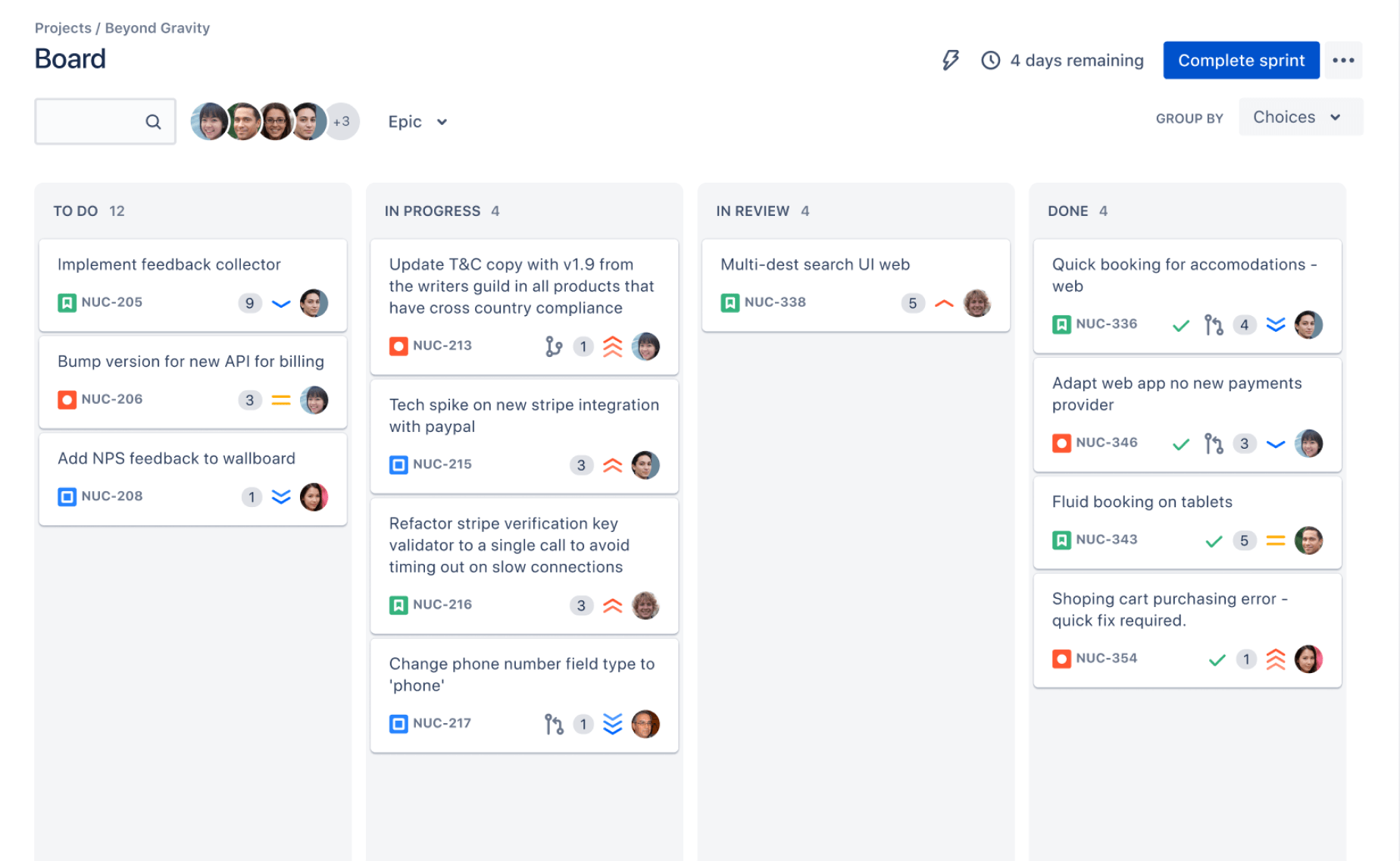
Jira typically organizes work through projects, issues, workflows, boards, and reports. Each layer answers a different question:
- Projects: Where a related body of work is managed.
- Issues: Individual work items, such as bugs, tasks, stories, or requests.
- Workflows: The stages an issue follows from creation to completion.
- Boards: Visual views that show work moving through stages.
- Reports: Progress views that help teams identify trends, risks, and bottlenecks.
For example, a product team might create a project for a mobile application. A new login problem becomes a bug, a design improvement becomes a task, and a customer-facing capability becomes a story.
Key Features Teams Commonly Use
- Backlog planning and prioritization
- Scrum and Kanban boards
- Sprint planning and tracking
- Issue assignment and ownership
- Custom statuses and workflows
- Labels, components, fields, and filters
- Roadmaps and release planning
- Dashboards and progress reports
- Automation rules
- Integrations with collaboration and development services
The exact experience depends on the Jira edition, configuration, permissions, and integrations your team chooses.
Jira Software, Jira Work Management, and Jira Service Management
Jira is used across several work types, so the product name can refer to different experiences.
| Jira area |
Typical purpose |
| Jira Software |
Agile software development, sprint planning, bugs, releases, and technical work |
| Jira Work Management |
Business projects, marketing work, operations, approvals, and general task tracking |
| Jira Service Management |
Service requests, incident handling, change management, and support workflows |
These areas can overlap. A product launch, for instance, may involve a development project, a marketing workflow, and a service readiness process.
How to Use Jira for a Team Project
You can get useful results from Jira by setting up a clear work structure before adding complicated customizations. Start small, establish ownership, and improve the workflow after observing how the team works.
- Define the project purpose. Decide whether the project will manage software development, customer requests, marketing activities, operational work, or another recurring process.
- Choose a suitable project template. A Scrum template suits sprint-based development. A Kanban template works well when tasks flow continuously. A business template may suit approvals or campaign work.
- Set up work types. Define when to use an epic, story, task, bug, or service request. A short written rule prevents every team member from creating work in a different way.
- Design the workflow. Use statuses that reflect real progress, such as To Do, In Progress, In Review, Blocked, and Done. Avoid creating a separate status for every minor activity.
- Create useful fields. Add information that helps decisions, such as priority, owner, target release, customer impact, or risk level. Too many fields slow adoption.
- Build the backlog. Add upcoming work, remove duplicates, clarify unclear requests, and rank priorities. A backlog should show what matters next, not every idea anyone has ever suggested.
- Plan the first sprint or work cycle. Select realistic work based on capacity. For example, a team with two engineers unavailable for training should plan less work.
- Assign clear ownership. Every active issue should have one accountable person, even when several people contribute.
- Use the board every day. Move issues as work changes. During a daily meeting, discuss blocked or aging work rather than reading every ticket aloud.
- Review results and improve. At the end of a sprint or delivery cycle, inspect unfinished work, recurring delays, and unnecessary steps. Then make one or two targeted improvements.
Example Jira Workflow
Imagine a team preparing a payment feature. A product manager creates a story, an engineer begins implementation, a reviewer checks the change, and a tester validates the result.
The issue might move through these stages:
- Backlog
- Ready for Development
- In Progress
- Code Review
- Testing
- Ready for Release
- Done
Each transition should have a clear meaning. If “Done” means tested and released for one team but merely coded for another, reports become misleading.
Simple Rules for Better Adoption
Keep the first setup understandable. A new team member should know where to find active work, how to update an issue, and what each status means without attending a long training session.
Use automation for repetitive actions. For example, moving an issue to “Code Review” could notify a reviewer, while closing a bug could update its resolution automatically.
Why Teams Use Jira
Jira gives teams a shared view of work. That visibility matters because project problems often begin with missing context rather than a lack of effort.
Here’s why: when priorities, owners, deadlines, and progress appear in one place, the team can make decisions earlier. A manager can see that five high-priority tasks depend on one specialist before the sprint begins.
Improved Visibility
A board makes work visible at a glance. If ten cards sit in review and only one person can approve them, the bottleneck becomes obvious.
That is more useful than asking, “How is everything going?” during a meeting. The board shows the actual flow of work.
Stronger Accountability
An assigned issue gives each task a clear owner. Ownership does not mean one person performs every action. It means someone is responsible for moving the work forward and raising risks.
For example, a launch checklist may involve design, engineering, legal, and marketing. Jira can assign each activity separately while keeping the larger initiative connected.
Better Agile Planning
Scrum teams can use backlogs, story estimates, sprints, and velocity reports to plan upcoming work. Kanban teams can use work-in-progress limits and cycle-time views to improve flow.
The numbers are useful when treated as signals. A sudden drop in completed work may indicate unclear requirements, increased review time, or an overloaded specialist.
More Consistent Processes
Custom workflows help teams follow repeatable steps. A service request may require approval before fulfillment. A production change may need testing and review before release.
When those steps are visible in the workflow, fewer requests depend on memory or informal reminders.
Jira Boards, Backlogs, and Workflows Explained
These three features work together, but they are not interchangeable. Understanding the difference helps you configure Jira without unnecessary complexity.
Boards Show Current Flow
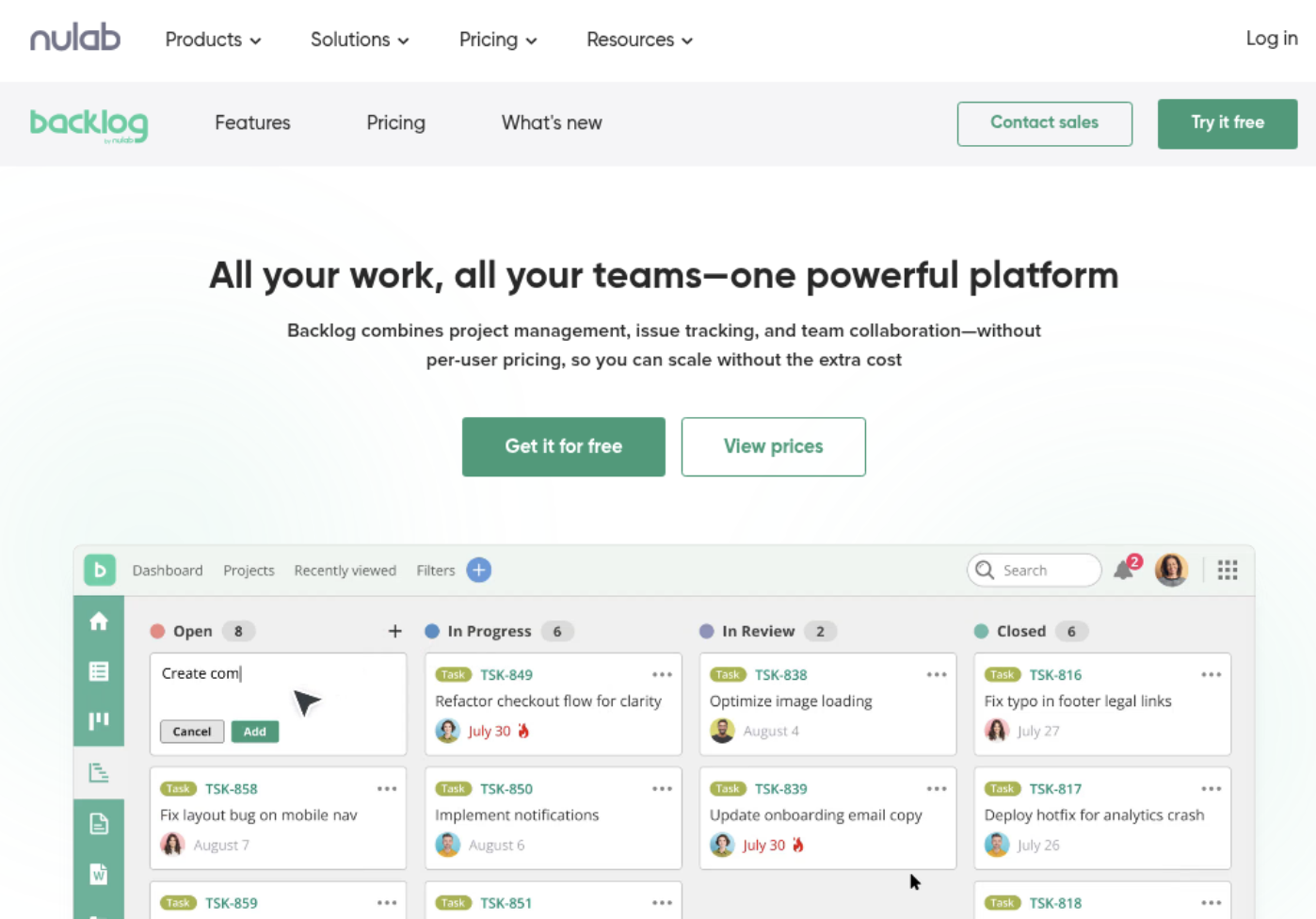
A board is a visual view of issues. Columns usually represent statuses, while cards represent individual work items.
A Kanban board might show To Do, In Progress, Review, and Done. A Scrum board may show the same stages while focusing on a defined sprint.
Backlogs Hold Planned Work
A backlog contains work that may be completed later. Product teams use it to rank ideas, defects, improvements, and technical tasks.
A healthy backlog is curated. If it contains hundreds of vague requests, ranking becomes difficult and the team loses confidence in priorities.
Workflows Define Movement
A workflow controls how an issue moves from one status to another. It can also add conditions, approvals, validators, and automatic actions.
For example, an issue might require a reviewer before moving from Testing to Ready for Release. That guardrail can reduce accidental releases.
How the Three Pieces Connect
Consider a customer-reported checkout problem. The request enters the backlog, receives a priority, moves onto the active board, and follows a workflow through investigation, development, testing, and completion.
The backlog answers, “What could we work on?” The board answers, “What is happening now?” The workflow answers, “What must happen next?”
Jira for Different Team Types
Jira can support more than engineering, although the best configuration depends on the team’s work pattern and decision points.
Software Development Teams
Development teams commonly track epics, stories, bugs, technical tasks, releases, and sprint commitments. They may connect work items with code reviews, testing activity, and deployment events.
For example, a bug can include reproduction steps, severity, affected version, owner, and testing status. That context helps the team investigate faster.
Product Management Teams
Product managers can use Jira to organize customer needs, product opportunities, roadmap themes, and delivery work.
An epic might represent a subscription improvement. Related stories can cover pricing logic, interface changes, analytics, testing, and launch communication.
Marketing Teams
Marketing teams may use Jira for campaign planning, content reviews, event preparation, and launch coordination.
A campaign issue can include a due date, audience, channel, reviewer, approval stage, and publishing target. This creates a practical workflow without forcing the team to use software development terminology.
Operations and Service Teams
Operations teams can manage recurring requests, internal improvements, escalations, and approvals. Service teams can track incidents and requests through defined response stages.
A facilities request, for instance, might move from Submitted to Triaged, Scheduled, In Progress, and Resolved.
Jira Reporting and Metrics
Reports help you understand how work behaves over time. They should support decisions rather than become a performance scoreboard.
Useful Metrics
- Cycle time: How long work takes after active work begins.
- Lead time: How long it takes from request creation to completion.
- Throughput: How many work items a team completes in a period.
- Work in progress: How many items are active at once.
- Blocked time: How long work waits because of a dependency or decision.
- Planned versus completed work: How reliably a team meets its intended commitment.
Reading Reports Carefully
A team may complete more tasks while delivering less value if it breaks work into tiny items. Another team may complete fewer issues because it handles complex work.
Here’s the practical approach: compare trends within the same team, investigate unusual changes, and combine metrics with direct conversation.
Example of a Useful Review
Suppose cycle time rises from six days to eleven days over three months. A closer look shows that review queues grew after a new compliance step was introduced.
The solution may involve adding another reviewer, limiting concurrent work, or clarifying review requirements. The metric identifies the symptom; the team still needs to find the cause.
Jira Limitations and Setup Risks
Jira can become difficult to use when every team customizes it independently. The platform is flexible, but flexibility needs governance.
Too Many Statuses
A workflow with fifteen statuses may appear precise, yet team members may struggle to choose the correct one. Start with the smallest set that reflects meaningful progress.
Unclear Issue Types
If one person creates an epic for a small task and another creates a story for a major initiative, planning becomes inconsistent. Define each issue type with a short example.
Excessive Custom Fields
Every additional field adds maintenance and cognitive effort. Keep a field only when it supports a decision, report, permission rule, or handoff.
Weak Backlog Hygiene
Old, duplicated, and vague issues reduce trust. Schedule a regular backlog review, archive abandoned work, and rewrite unclear requests before they reach active planning.
Using Metrics as Individual Targets
Counting completed issues can encourage unhealthy behavior, such as splitting work artificially or avoiding complex tasks. Use reports to improve the system, not rank people.
Jira Application Solution: ONES.com
Value Proposition
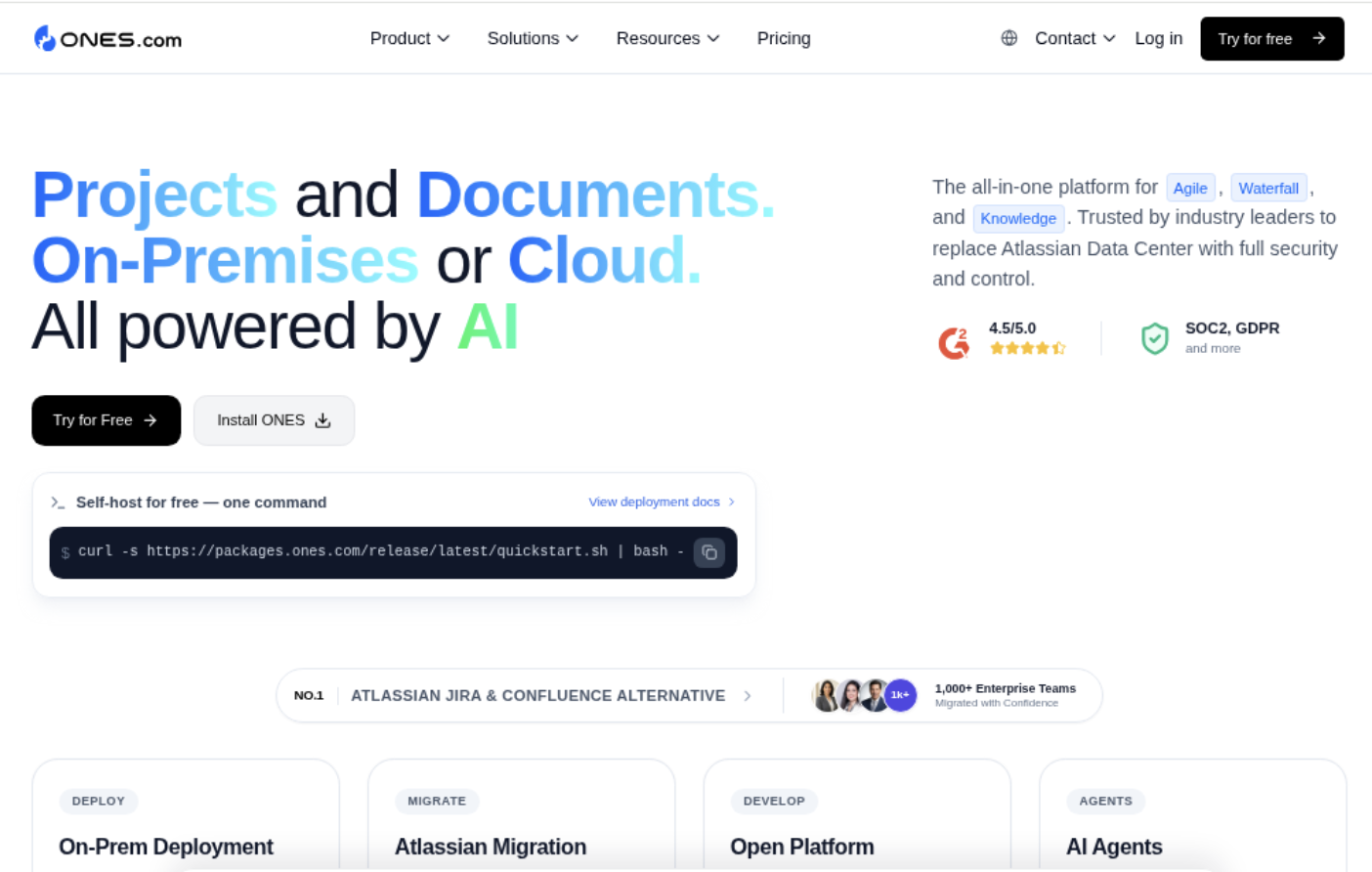
ONES.com is a unified platform for project management and knowledge management, powered by AI through ONES Assistant. ONES Project provides project management capabilities and can serve as a Jira alternative, while ONES Wiki supports knowledge management as a Confluence alternative.
The products are sold separately, so you can select the capability that matches your team’s immediate needs.
Core Capabilities
- Jira-style project workflows: Teams that need familiar issue tracking can use Jira-compatible workflows in ONES Project, reducing the adjustment required during a transition.
- Custom workflows and fields: Teams with different approval or delivery processes can configure statuses and fields that reflect their actual work, improving clarity.
- Sprint management: Agile teams can plan sprints, organize backlogs, and monitor commitments in one project environment.
- Built-in reporting: Managers who need progress visibility can use native reports rather than assembling routine views through multiple plugins.
- Automation: Teams handling repetitive transitions or notifications can automate common actions, reducing manual coordination.
- Knowledge management through ONES Wiki: Teams that lose decisions across chat can maintain connected knowledge in a dedicated knowledge management product.
- Deployment flexibility: Organizations with infrastructure or security requirements can choose Cloud, On-Premise, Private Cloud, or Air-gapped deployment.
- Self-hosted feature parity: Teams that need local deployment can access full feature parity between the cloud and self-hosted versions.
- Reduced plugin dependence: Teams that want fewer separate extensions can use native project management and reporting capabilities instead of building a heavily connected tool stack.
Application Scenarios
Scenario one: a software team changing platforms. A team already familiar with Jira-compatible workflows can configure epics, stories, bugs, sprints, custom fields, and automation in ONES Project. The team preserves a familiar delivery pattern while evaluating a different platform.
Scenario two: a restricted-network organization. An organization that cannot use a public cloud environment can deploy ONES.com through an On-Premise, Private Cloud, or Air-gapped setup. This supports project work within its required network model.
Scenario three: a project and knowledge workflow. A product team can manage delivery work in ONES Project and maintain planning guidance, decisions, and operating knowledge in ONES Wiki. Since the products are sold separately, the organization can adopt either one independently.
ONES.com offers a free plan for up to 30 seats. Before choosing any Jira alternative, compare workflow depth, reporting, deployment options, migration effort, permissions, and the amount of plugin dependence your team can accept.
Common Challenges When Implementing Jira
Challenge: The Team Treats Jira as an Administrative Burden
Solution: Remove unnecessary fields and statuses. Explain how each update helps the team, such as revealing blockers or improving release planning. If updating an issue takes several minutes, adoption will decline.

Challenge: Priorities Change Without a Clear Record
Solution: Add a lightweight prioritization routine. During weekly planning, review urgent requests, explain trade-offs, and update rankings. A visible priority decision reduces repeated debates.
Challenge: Work Gets Stuck in Review
Solution: Add review ownership, use work-in-progress limits, and inspect aging items during daily coordination. If review is always the slowest stage, increase review capacity or reduce concurrent work.
Challenge: Reports Do Not Match Reality
Solution: Clarify what each status means and audit a sample of completed issues. If “Done” means different things across teams, standardize the definition or separate the workflows.
Challenge: Customization Becomes Difficult to Maintain
Solution: Create a governance rule for new fields, statuses, automation, and integrations. Require a clear purpose and an owner before adding configuration.
FAQs About Jira
Is Jira only for software developers?
No. Jira is widely associated with software development, but teams in marketing, operations, product management, service delivery, and business administration can use it. The important question is whether the team has trackable work that moves through recognizable stages. A campaign, approval request, or facilities task can use a simpler workflow than a software release.
What is the difference between Jira and a task list?
A task list usually records what needs to happen. Jira can also show ownership, priority, dependencies, status transitions, sprint commitments, approval steps, and progress trends. For a small personal checklist, Jira may be unnecessary. For a team handling connected work and changing priorities, its structure can reduce coordination effort.
Should every team use the same Jira workflow?
No. Teams should share useful conventions, such as naming rules and definitions for completed work, but their workflows may differ. A software team may need testing and release stages, while a marketing team may need review and publishing stages. Start with a common governance framework, then adapt the actual stages to each team’s work.
How much Jira customization is enough?
Enough customization should make work clearer without making administration difficult. Add a field when it supports a decision, report, handoff, or permission rule. Add a status when it represents a meaningful stage. If a configuration element rarely changes what someone does, it may not deserve a place in the workflow.
Can Jira replace meetings?
Jira can reduce status meetings, but it cannot replace every conversation. A board can show blocked work and ownership, while a meeting can resolve a complex dependency or make a difficult trade-off. Use the platform for visibility and preparation, then use meetings for decisions that require discussion.
Conclusion
Jira application is project management software for organizing issues, workflows, agile planning, team ownership, and delivery reporting. Its value comes from creating a reliable view of work rather than simply adding another place to record tasks.
Start with a clear project purpose, a small set of issue types, meaningful statuses, and an actively maintained backlog. Then use boards and reports to identify bottlenecks, improve planning, and make ownership visible.
But here’s the truth: no platform can repair unclear priorities or weak collaboration by itself. A thoughtful workflow, consistent habits, and regular improvement matter just as much as the software.
If your team needs a Jira alternative, compare ONES Project and other options against your workflow, reporting, deployment, knowledge management, and administration requirements. The right choice should make everyday work easier to understand and easier to move forward.