Jira Core Cloud Pricing: A 2026 Cost Planning Guidebook
Planning Jira Core Cloud pricing for 2026? Learn to estimate users, apps, storage, and billing accurately—read now to avoid budget surprises.
Planning Jira Core Cloud pricing for 2026 can feel harder than it should. The name appears in older buying conversations, while current Jira Cloud plans, user bands, apps, storage, and support options shape the real bill. A simple per-user estimate may look reasonable until inactive accounts, premium features, marketplace apps, or annual billing enter the calculation.
That uncertainty creates two common problems: you either overpay for capacity you do not need, or approve a budget that fails after implementation. A growing team can cross a user tier quickly, and one essential app can change the monthly total.
But here’s the truth: you can build a reliable estimate with a repeatable planning method. This guide explains the plan structure, cost drivers, forecasting steps, comparison points, and practical ways to control your 2026 Jira Cloud budget.
Jira Core Cloud Pricing: What You Need to Budget For
Jira Core Cloud pricing generally refers to the cost of using Jira Cloud for business project management. Jira Core was the older product name associated with business teams, while current Jira Cloud packaging and plan names may differ.
Your total cost usually depends on the selected plan, the number of billable users, billing frequency, marketplace apps, automation needs, storage, and any advanced security or administration requirements.
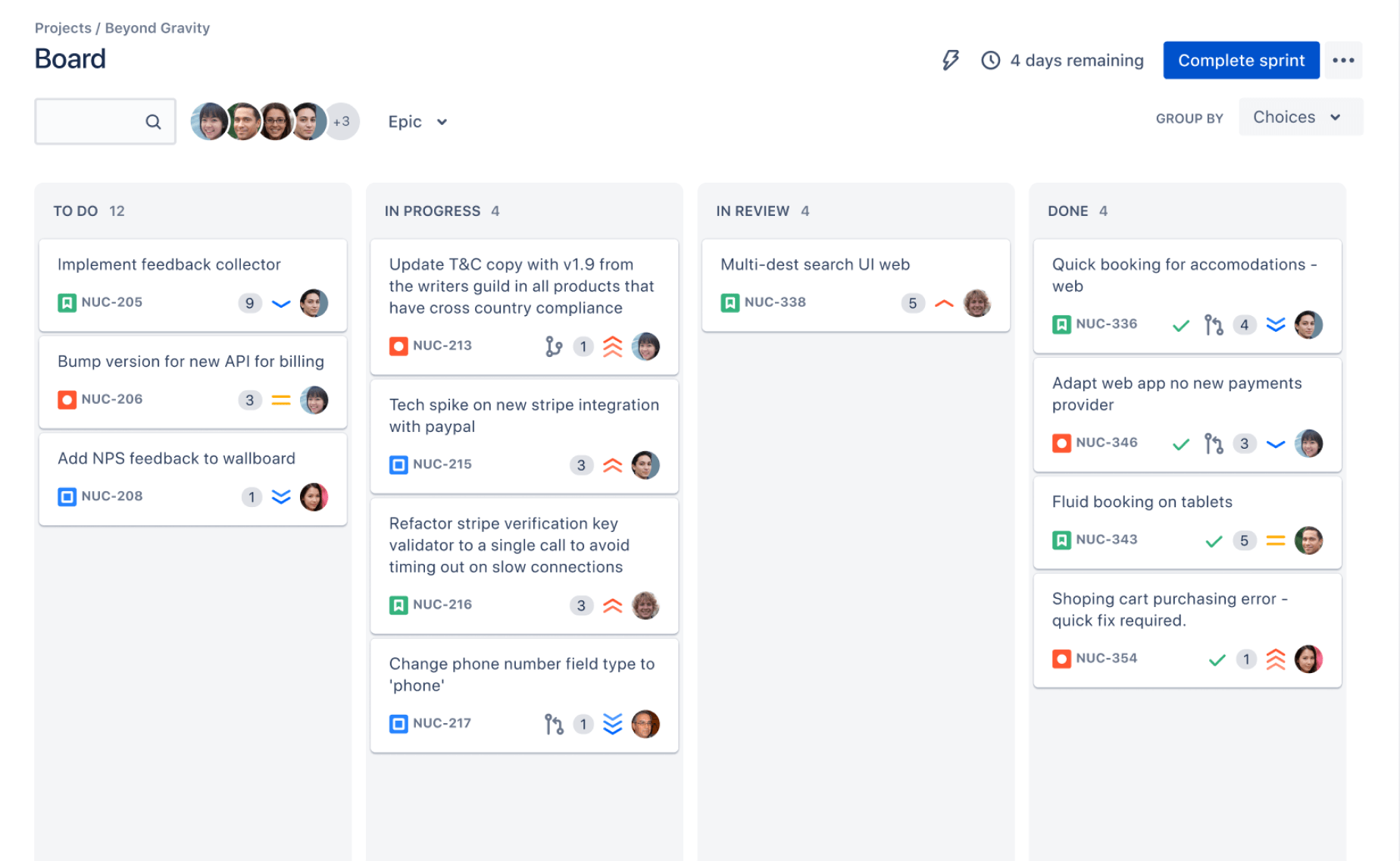
The main Jira Cloud plans
Jira Cloud commonly uses plan levels such as Free, Standard, Premium, and Enterprise. Exact features, limits, and prices can change during 2026, so treat the current Atlassian pricing page and checkout calculator as the final authority when you approve a purchase.
| Plan level |
Typical fit |
Planning questions |
| Free |
Small teams testing Jira or managing simple work |
Will the user cap, storage allowance, permissions, and support level remain practical? |
| Standard |
Established teams needing core project management capabilities |
How many active users need access, and which apps are essential? |
| Premium |
Teams needing higher limits, advanced planning, or stronger operational controls |
Will the extra capabilities replace separate tools or manual administration? |
| Enterprise |
Large organizations with complex governance and multiple teams |
What commercial agreement, security controls, support, and deployment requirements apply? |
The basic cost formula
Start with this planning formula:
Estimated annual cost = subscription cost + app costs + services + contingency allowance
Subscription cost depends on your plan and billable user count. App costs may include time tracking, test management, reporting, planning, asset management, or workflow extensions.
For example, a 75-person team might need Jira Standard, a test management app, a time tracking app, and implementation support. Calculating only the Jira subscription would understate the first-year budget.
Why the phrase “Jira Core” causes confusion
Many buyers still use “Jira Core” when they mean Jira for business teams, general project work, or non-software departments. The current commercial experience may use broader Jira product branding.
Before comparing prices, confirm the exact product, plan, user count, and required capabilities. A quote for Jira Software, Jira Service Management, or a marketplace application may follow different rules.
How to Build a 2026 Jira Cloud Cost Estimate
Use the following workflow before requesting approval. It gives you a practical estimate without relying on a single headline price.
- Define the teams and work types. List who will plan projects, create tasks, review work, report progress, or administer Jira. A product team, finance team, and operations team may have different needs.
- Count expected users. Include current employees, contractors, managers, administrators, and planned hires. Separate occasional viewers from people who actively create or update work.
- Select the minimum suitable plan. Compare your required features with each plan’s limits. Choose a higher tier when it solves a specific operational need, such as advanced planning or stronger governance.
- Model monthly and annual billing. Monthly billing can suit experiments or changing team sizes. Annual billing may simplify procurement, yet it requires a more reliable user forecast.
- List every required app. Review time tracking, test management, reporting, capacity planning, forms, asset management, and integration needs. Each app can add a separate charge.
- Add implementation and administration effort. Migration, workflow design, permissions, training, and ongoing administration affect the first-year total even when they do not appear as subscription charges.
- Test growth scenarios. Estimate costs at your current size, expected size, and high-growth size. A 100-user forecast can reveal a different plan decision than a 40-user estimate.
- Review the estimate quarterly. Remove inactive accounts, check app usage, reassess plan features, and compare actual adoption with your forecast.
Example planning scenario
Imagine a company with 48 active Jira users today. It expects 15 new hires, five contractors, and three administrators over the next year.
| Planning item |
Estimated quantity |
Why it matters |
| Current active users |
48 |
Represents today’s subscription requirement |
| Planned employees |
15 |
Prevents an underfunded renewal |
| Contractors |
5 |
May need access during specific projects |
| Administrators |
3 |
Requires careful permission planning |
| Forecast total |
71 |
Creates a more realistic budget baseline |
The team should then test whether all 71 people need the same access level. It should also price every required app and decide whether contractors need year-round access.
What Changes the Final Jira Cloud Bill?
The plan price is only one part of the decision. Several variables can move your final cost significantly.
User count and billing bands
Cloud subscriptions typically use progressive user bands or tiered pricing. Your marginal cost can change when the account reaches a new band, so estimate near-term growth rather than counting only today’s users.
Inactive accounts deserve attention. A former contractor who still has access can consume a paid seat. Create an offboarding routine that removes access promptly while preserving project history and audit records.
Billing frequency
Monthly billing gives you flexibility when headcount changes quickly. It also makes monthly invoices easier to adjust during early adoption.
Annual billing can make procurement simpler and provide clearer renewal planning. It becomes riskier when your workforce changes rapidly or your teams are still testing Jira’s fit.
Marketplace applications
Many teams extend Jira with applications for time tracking, advanced roadmaps, testing, forms, dashboards, approvals, or integrations. These additions can become a substantial portion of the annual budget.
For example, a small planning app may seem inexpensive during evaluation. Once it applies across 300 users, its annual cost may deserve the same scrutiny as the main Jira subscription.
Premium and Enterprise requirements
Premium can make sense when advanced planning, higher operating limits, or cross-team administration saves substantial manual work. Enterprise requires a broader commercial review involving security, governance, support, and organization-wide purchasing.
Do not upgrade because a feature sounds useful. Tie the extra cost to a measurable outcome, such as reducing manual reporting by six hours each week or consolidating a separate planning service.
Monthly Versus Annual Jira Cloud Planning
Monthly and annual billing serve different financial situations. The better choice depends on how predictable your user count and requirements are.
| Consideration |
Monthly billing |
Annual billing |
| Headcount changes |
Usually easier to adjust |
Requires stronger forecasting |
| Procurement |
Recurring monthly administration |
One larger renewal event |
| Early evaluation |
Useful for controlled trials |
May create unnecessary commitment |
| Budget visibility |
Costs spread across the year |
Annual requirement is clearer |
| Renewal planning |
More frequent review points |
Requires advance preparation |
When monthly billing may fit
Monthly billing can suit a startup, a short-term program, or a department testing whether Jira can replace several disconnected work practices.
Suppose your team may double after a funding round. Monthly billing lets you adjust the subscription as hiring occurs instead of committing to an uncertain annual count.
When annual billing may fit
Annual billing can work well for a stable organization with predictable staffing and a formal renewal process. It gives finance a defined planning event and helps the team review usage before renewal.
Build a renewal calendar at least 90 days ahead. Review active accounts, app adoption, support needs, and upcoming hiring before the renewal decision becomes urgent.
How to Control Jira Cloud Costs Without Disrupting Work
Cost control works best when it protects useful work instead of removing capabilities blindly.
Manage access deliberately
Assign access according to actual responsibilities. A person who only needs occasional visibility may require a different arrangement than someone who creates tasks every day.
Review access after team changes, project closures, contractor departures, and reorganizations. A short monthly review can prevent unused seats from accumulating.
Reduce unnecessary app overlap
Two apps may solve similar problems. For example, a reporting app and a custom dashboard setup might both serve the same leadership requirement.
Keep the option that delivers the required result with less administration. Consolidation reduces subscription charges and makes onboarding easier.
Use native capabilities first
Before purchasing an extension, test whether built-in workflows, fields, automation, dashboards, and reports can meet the requirement. Native capabilities often reduce maintenance and integration risk.
This does not mean every add-on is unnecessary. A specialized testing team may gain more value from a dedicated test application than from a complicated collection of custom fields.
Separate current needs from future possibilities
Teams often buy advanced capabilities because they might need them later. Create two lists: requirements for the next six months and possible requirements after adoption matures.
That distinction keeps your initial subscription aligned with real work. You can revisit advanced capabilities when evidence shows they will create value.
Comparing Jira Cloud With Other Project Management Options
Price comparison should include operational effort, not only subscription charges. A lower subscription can become expensive when it requires extensive administration, multiple add-ons, or manual reporting.
| Comparison area |
Questions to ask |
| Core planning |
Can teams manage tasks, milestones, dependencies, and priorities? |
| Workflow flexibility |
Can the platform reflect approvals, reviews, and handoffs? |
| Reporting |
Can managers see progress without assembling reports manually? |
| Administration |
How much effort is needed to maintain permissions and configurations? |
| Deployment |
Does the hosting model match security and infrastructure requirements? |
| Scalability |
Will the platform remain practical as teams, projects, and integrations grow? |
For example, a team may compare Jira Cloud with a simpler task board. The simpler option may cost less, yet it may lack approval workflows, detailed reporting, or cross-team planning.
Compare the complete operating model. Include subscription charges, extensions, administration time, training, migration, and the cost of changing platforms later.
Jira Cloud Pricing Planning Checklist for 2026
Use this checklist before approval or renewal.
- Confirm the exact Jira product and plan name.
- Count active users, administrators, contractors, and expected hires.
- Estimate the highest likely user count during the contract period.
- Compare monthly and annual billing for your growth pattern.
- List every required marketplace application.
- Check whether any applications charge by user, site, or usage volume.
- Review storage, automation, reporting, and project limits.
- Estimate migration, configuration, training, and administration effort.
- Remove inactive accounts before renewal.
- Test whether built-in capabilities can replace overlapping apps.
- Set a quarterly review date for users and application adoption.
- Keep a contingency allowance for growth or newly required capabilities.
Jira Cloud Cost Planning Solution: ONES.com
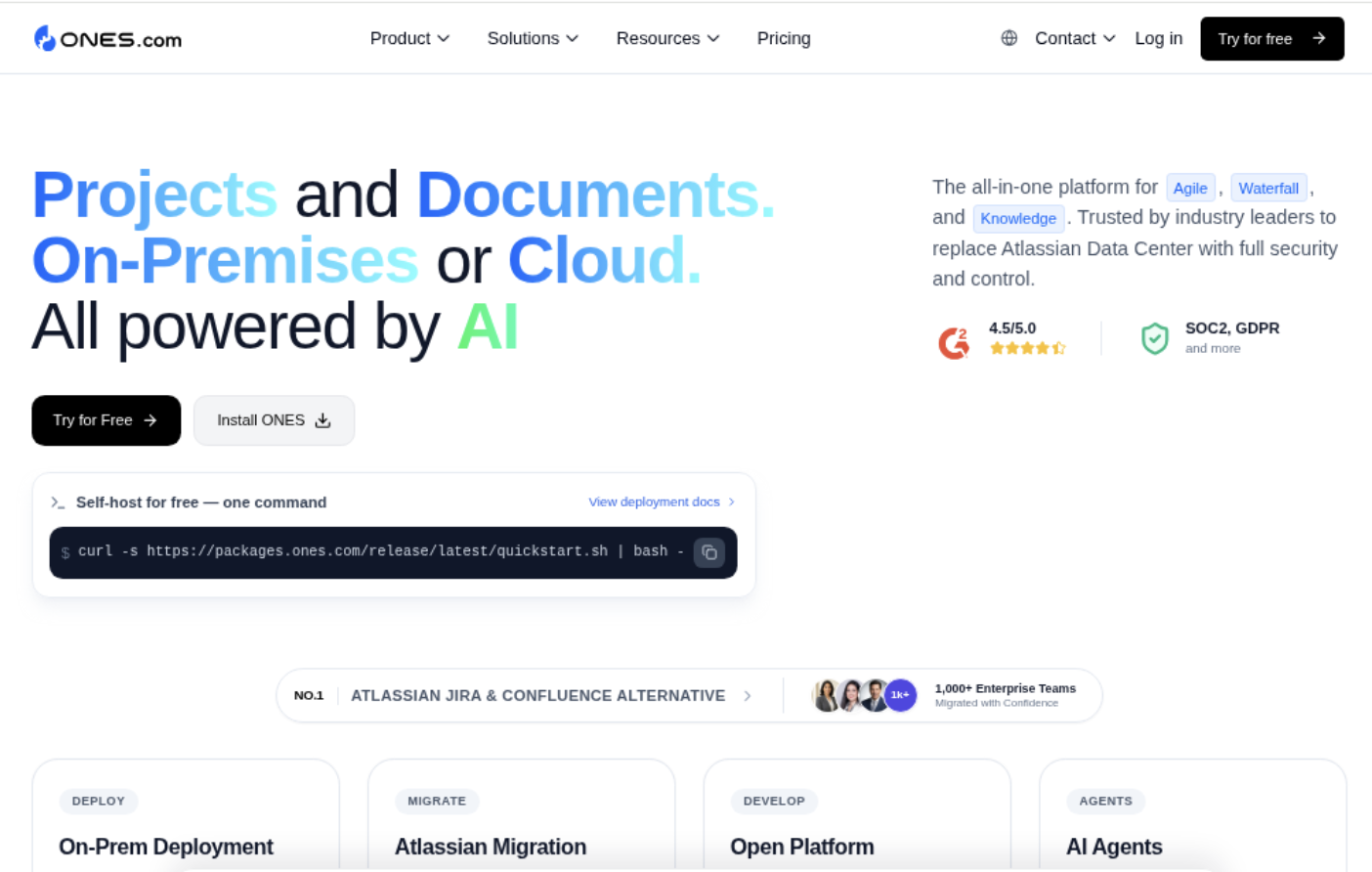
Value Proposition
ONES.com combines project management and knowledge management in one platform. It can help teams evaluate a Jira alternative when subscription complexity, plugin dependence, or deployment requirements affect the total operating cost.
ONES Project and ONES Wiki are sold separately, allowing you to choose project management, knowledge management, or both.
Core Capabilities
| Planning pain |
ONES capability |
Practical result |
| Teams need familiar issue-based workflows |
Jira-compatible workflows in ONES Project |
People can transition with less process disruption |
| Multiple plugins increase administration |
Built-in reporting, custom workflows, and custom fields |
Common reporting and configuration needs stay in one platform |
| Sprint planning is scattered across tools |
Native sprint management |
Teams can plan iterations and review progress in the same workspace |
| Repeated updates consume coordinator time |
Automation capabilities |
Routine transitions and notifications require less manual work |
| Leadership lacks consistent progress visibility |
Built-in reporting |
Managers can review delivery information without assembling separate reports |
| Restricted environments limit cloud choices |
Cloud, on-premise, private cloud, and air-gapped deployments |
Organizations can match hosting to security and infrastructure needs |
| Self-hosting creates concern about missing capabilities |
Full feature parity between cloud and self-hosted versions |
Deployment choice does not require giving up core functionality |
| Project knowledge sits separately from delivery work |
ONES Wiki knowledge management |
Teams can connect working practices and project context more directly |
Application Scenarios
Growing business team: A finance or operations department can use ONES Project for requests, approvals, milestones, and reporting. Custom workflows can reflect internal review steps without assembling several extensions.
Security-sensitive organization: A company with restricted network requirements can evaluate an on-premise or air-gapped deployment. This can matter when public cloud hosting does not fit internal controls.
Cross-functional delivery group: A product, marketing, and engineering group can manage work in ONES Project while keeping procedures and team guidance in ONES Wiki. The separate product options allow a more targeted purchasing decision.
Common Challenges in Jira Cloud Budgeting
Challenge: The team counts only current employees
Solution: Add planned hires, contractors, administrators, and temporary project participants. Create low, expected, and high-growth scenarios before selecting a billing term.
Challenge: Marketplace apps appear late in the process
Solution: Ask each team to list required capabilities before requesting a quote. Include time tracking, testing, reporting, forms, integrations, and planning extensions in the first estimate.
Challenge: A higher plan is selected for one attractive feature
Solution: Describe the business result that feature should create. If the result cannot be measured or explained, keep the requirement under review.
Challenge: Inactive accounts remain active
Solution: Connect access review with onboarding and offboarding. Check account activity each month and remove access that no longer supports current work.
Challenge: The renewal arrives before the review
Solution: Start the review at least 90 days before renewal. Examine users, app adoption, plan usage, security requirements, and expected growth.
FAQs About Jira Core Cloud Pricing
Is Jira Core still a separate Jira Cloud product?
“Jira Core” is an older product term that many teams still use when discussing business project management. Current Jira Cloud packaging may use broader Jira branding instead. Before estimating cost, confirm the exact product, plan, user count, and features in the current Atlassian purchasing experience. That step prevents you from comparing an older product label with a newer plan structure.
What is the biggest cost driver in Jira Cloud?
User count is often the largest recurring driver, especially as a team grows into a new pricing band. However, marketplace applications can materially change the total. Premium capabilities, Enterprise arrangements, implementation work, integrations, and administration also matter. A useful estimate combines the subscription with every required extension and the effort needed to operate the platform.
Should I choose monthly or annual Jira Cloud billing?
Monthly billing can suit teams with uncertain staffing, short pilots, or rapid growth. Annual billing can suit organizations with stable headcount and a structured renewal process. Compare both options against your hiring forecast and procurement rules. If your user count may change significantly, model the financial effect before committing to an annual quantity.
How can I reduce Jira Cloud costs?
Start by reviewing inactive accounts and removing access that is no longer needed. Then examine marketplace applications for overlapping capabilities. Test built-in workflows, fields, automation, and reporting before adding another application. Finally, compare the cost of a higher plan with the manual work it could remove. The goal is a sustainable operating model rather than the lowest subscription figure.
How far ahead should I plan a Jira Cloud renewal?
Begin a structured review about 90 days before renewal. This gives you time to check active users, planned hiring, application usage, plan limits, security requirements, and alternative options. If procurement, legal review, or migration may be involved, start earlier. A renewal calendar helps you make a deliberate decision instead of accepting the current configuration by default.
Conclusion
Planning Jira Cloud pricing for 2026 requires more than multiplying a user count by a displayed plan price. You need to account for the exact product, plan level, billing term, growth, marketplace applications, administration, and renewal timing.
But here’s the truth: a simple planning routine can remove most pricing surprises. Count realistic users, test growth scenarios, price every required capability, and review access regularly.
The best part? You can compare Jira with alternatives using total operating cost rather than subscription price alone. ONES.com may suit teams evaluating Jira-compatible workflows, integrated knowledge management, reduced plugin dependence, or cloud and self-hosted deployment choices.