Jira Project Management Software: A Practical Setup Guide
Struggling to configure Jira project management software? Learn a practical setup for clearer ownership, smoother workflows, and reliable reporting. Read now.
Jira can organize projects, clarify ownership, and expose delivery risks. Yet a poorly configured workspace quickly becomes confusing.
Teams create too many issue types, hide important fields, and build workflows nobody understands. Then stand-ups become status hunts, reports lose credibility, and small requests interrupt planned work.
That frustration usually comes from setup decisions made without a clear operating model. You need a practical structure before adding automations, dashboards, or custom rules.
This guide shows you how to configure Jira project management software for real project work. You’ll learn how to choose a project structure, design workflows, manage backlogs, build useful reports, and improve the system over time.
How to Set Up Jira for Project Management
Jira project management software helps you plan work, assign responsibility, track progress, and report delivery through projects, issues, workflows, boards, and dashboards.
The fastest reliable setup follows a simple sequence: define the work model, create the project, configure issue types, design the workflow, build planning views, and establish reporting rules.
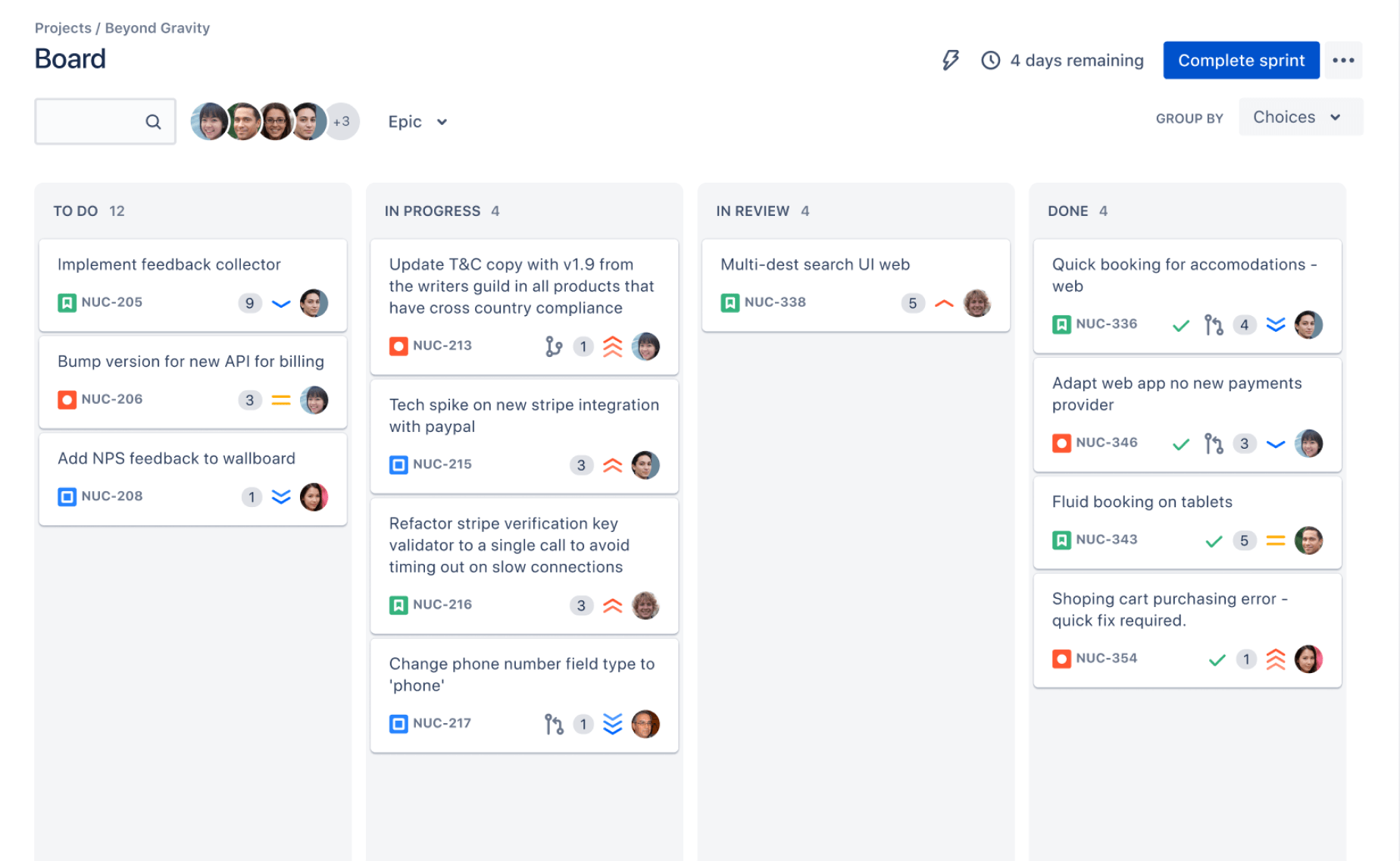
1. Define the project operating model
Start by deciding how your team delivers work. A software team using Scrum needs a different setup from a marketing team handling campaigns.
Write down the answers to these questions:
- What kind of work will the project contain?
- Who owns prioritization?
- How often will the team plan and review work?
- Which stages does work pass through?
- Which measurements matter to stakeholders?
For example, a product team might use a backlog, two-week sprints, and a workflow with five stages. A service team may need a continuous queue with response targets.
2. Choose a suitable Jira project type
Select a project template that matches your delivery method. Scrum supports sprint planning, while Kanban supports continuous flow.
Team-managed projects offer more local control. Company-managed projects usually provide stronger governance across multiple teams.
Consider future growth before choosing. A small team may begin with local configuration, while a larger organization may need shared schemes and consistent permissions.
3. Create a small set of issue types
Issue types should describe meaningful work categories. Common examples include epic, story, task, bug, and subtask.
Keep the list short. If every team invents its own category, reports become harder to compare.
A practical hierarchy might look like this:
- Epic: a large outcome such as “Launch mobile checkout.”
- Story: a user-focused requirement within that outcome.
- Task: a defined activity such as preparing analytics events.
- Bug: behavior that fails an agreed expectation.
- Subtask: a smaller assignment supporting one parent item.
4. Design the workflow around decisions
A workflow should show where work stands and what must happen next. Start with the smallest useful sequence.
A development team might use:
- Backlog
- Selected for development
- In progress
- In review
- Ready for testing
- Done
Each transition should have a clear meaning. If “In review” means three different things, team members will use it inconsistently.
Consider adding rules for required information. For example, moving a bug into testing may require test steps, expected behavior, and an affected version.
5. Configure fields with restraint
Fields help teams capture details, but every extra field adds friction. Ask whether a field supports a decision, report, handoff, or compliance need.
Useful fields may include priority, assignee, component, target release, risk level, and acceptance criteria.
For example, a delivery risk field can help a program manager find blocked work. A rarely used “business category” field may only create clutter.
6. Build the backlog and planning views
Break broad goals into actionable work. A good backlog item explains the expected result, the owner, and the conditions for completion.
Use boards to make flow visible. Use the backlog for ordering and refinement. Use the roadmap for release-level communication.
Before a sprint begins, confirm that selected items have owners, reasonable scope, and enough detail for the team to start.
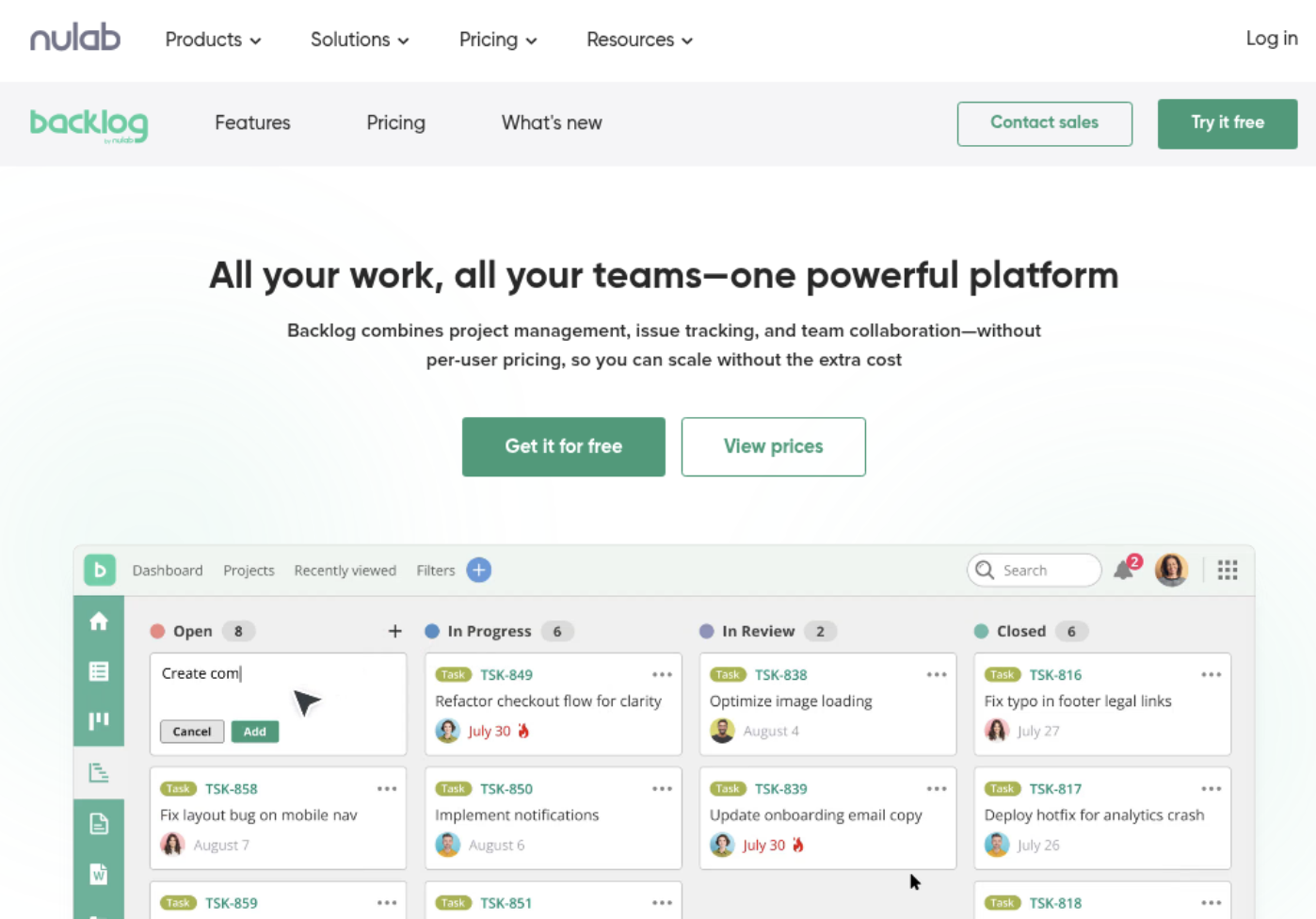
7. Add dashboards and reporting
Build dashboards around decisions rather than decoration. A useful dashboard answers questions such as:
- What is currently blocked?
- Which work is overdue?
- How much work is in progress?
- Are defects increasing?
- Is the release likely to meet its target?
Choose a few trusted measures. Cycle time, sprint completion, open defects, and blocked items often provide more value than a crowded dashboard.
8. Test the setup with a real work item
Create one realistic item and move it through the complete workflow. Check whether the right fields appear at each stage.
Ask a teammate to repeat the process without coaching. Confusion during this test reveals unclear labels, unnecessary steps, or missing permissions.
After testing, publish a short team guide. Explain how to create work, update status, record blockers, and close completed items.
Choose the Right Jira Structure for Your Team
Your Jira structure should mirror how work is organized. A single team may need one project, while several products may need separate projects with shared reporting.
Start with the relationship between teams, releases, and ownership. If one backlog has several unrelated owners, prioritization becomes difficult. If every small initiative gets a separate project, cross-project planning becomes slow.
One project or several?
Use one project when the team shares a backlog, workflow, permissions, and reporting needs. This approach keeps planning simple.
Use several projects when teams have different access requirements, delivery methods, or ownership models. For example, engineering and internal support may need separate workflows.
A portfolio view can connect related projects without forcing every team into identical settings.
Scrum, Kanban, or a hybrid approach?
Scrum works well when a team plans a defined amount of work for a fixed period. Sprint goals create a useful planning boundary.
Kanban works well when requests arrive continuously. Work-in-progress limits help the team finish existing items before accepting more.
A hybrid approach can support teams that plan weekly while handling urgent work. Define the exception path clearly, or urgent work will gradually consume planned capacity.
Use hierarchy to connect strategy and execution
Large initiatives should connect to smaller deliverables. For example, an “Improve account security” epic may contain multi-factor authentication, suspicious-login alerts, and recovery-flow improvements.
This relationship helps stakeholders understand progress without reading every task. It also lets delivery teams manage practical work while leaders follow outcomes.
Keep hierarchy meaningful. Excessive nesting makes ownership and reporting harder to understand.
Design Workflows That Encourage Progress
A workflow is a control system for movement. It should make the next action obvious and reveal where work is waiting.
But here's the truth: adding more statuses rarely creates more control. A team with twelve vague statuses may understand less than a team with five precise ones.
Separate status from condition
Status describes where work is in the process. Conditions describe facts about that work.
For example, “Blocked” can be a status when nobody can continue. “High risk” is usually better as a field because the item may still be progressing.
This distinction keeps boards readable and reports consistent.
Define entry and exit rules
Each stage should have an entry expectation and an exit expectation.
For “In review,” the entry rule might require completed implementation and a review request. The exit rule might require approval and resolved review comments.
Write these rules in plain language. A short agreement prevents many status debates during meetings.
Limit work in progress
When too many items are active, attention becomes fragmented. A team may start ten tasks and finish only two.
Set a practical limit for active work. If the limit is four items, the team must resolve a blocker before starting a fifth.
For example, a five-person team might allow four development items and two testing items at once. Adjust the limits after reviewing actual flow.
Automate repetitive transitions carefully
Automation can assign reviewers, add labels, notify owners, or close completed work. It can save time when the trigger and result are predictable.
Begin with low-risk automation. Automatically assigning a reviewer may help. Automatically closing an item because a related event occurred may need more judgment.
Review automation rules regularly. An old rule can create duplicate notifications or move work prematurely.
Manage Backlogs, Sprints, and Dependencies
A well-managed backlog helps the team decide what deserves attention next. It should not become a storage area for every possible idea.
Prioritize work using value, urgency, risk, effort, and dependency. A small security improvement may outrank a larger visual enhancement because its risk is higher.
Write actionable work items
A useful item gives the team enough context to act. Include the expected outcome, relevant constraints, and completion conditions.
For example, “Improve checkout” is too broad. “Allow customers to save one preferred payment method during checkout” gives the team a clearer starting point.
Add acceptance criteria when different interpretations could create rework.
Refine before planning
Backlog refinement is the point where the team removes uncertainty. Discuss scope, dependencies, technical concerns, and likely effort.
You do not need perfect estimates. You need enough shared understanding to select work responsibly.
Items that remain unclear can stay lower in the backlog until more information becomes available.
Protect sprint focus
Once a sprint begins, record new requests separately unless they meet an agreed urgent-work rule. Constantly inserting new work makes sprint results difficult to interpret.
If an urgent request must enter, identify what leaves. This simple tradeoff exposes the real capacity impact.
Track dependencies visibly
Dependencies create delays when ownership is unclear. Link related work and describe the expected handoff.
For example, a mobile release may depend on an API change owned by another team. Record the relationship, the target date, and the person responsible for coordination.
Review important dependencies during planning and stakeholder updates.
Build Reports That Support Better Decisions
Reports should help you decide what to change. They should not exist merely because the platform offers them.
Here's why: a chart without a question usually becomes background noise. Start with a decision, then select the measure that supports it.
Choose metrics by audience
Delivery teams may need cycle time, blocked work, work-in-progress, and defect trends. Executives may need release confidence, major risks, and outcome progress.
Show each audience the level of detail it can act on. A team does not need an executive chart for daily coordination, and leadership rarely needs every task transition.
Use trend data instead of isolated snapshots
A single sprint can be unusual. Compare several periods before changing a process.
For example, a drop in completed work may reflect planned technical maintenance. A repeated decline across six sprints suggests a capacity or prioritization problem.
Always pair a metric with context. Numbers show movement, while team discussion explains causes.
Watch for misleading measurements
Velocity can help a stable team plan. It should not become a performance score across different teams.
Counting completed issues may encourage teams to divide work unnaturally. Cycle time can be more useful when issue sizes vary.
Choose measures that reward healthy delivery behavior, such as finishing work, reducing waiting, and managing risk.
Value Proposition
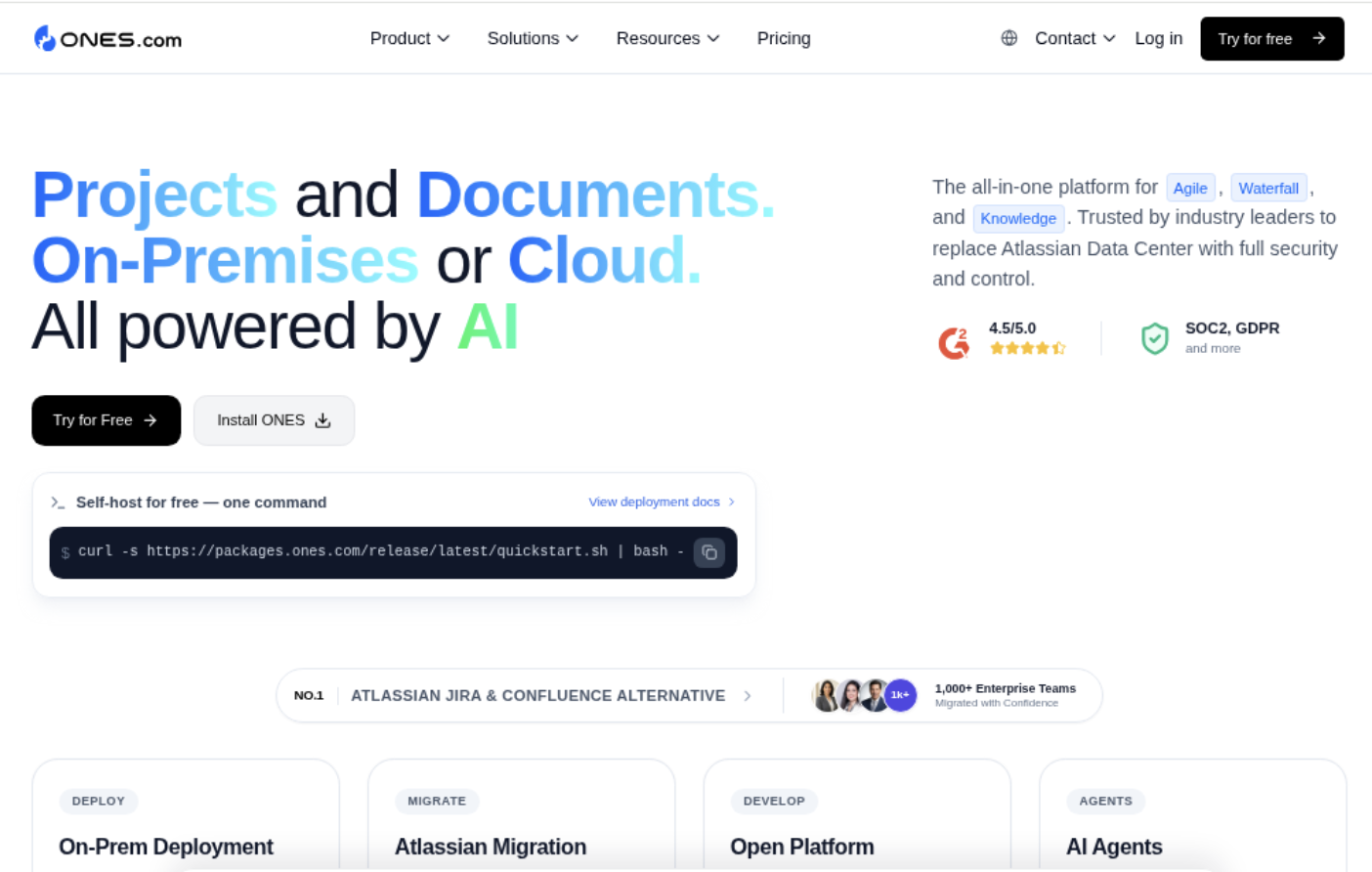
ONES.com combines project management and knowledge management in one platform. ONES Project supports Jira-compatible workflows, while ONES Wiki supports shared team knowledge.
It can suit teams seeking a Jira alternative with native capabilities, fewer plugin dependencies, and deployment choices that include on-premise environments.
Core Capabilities
- Scattered project tracking → ONES Project: Manage planning, issues, sprints, and delivery work in one project environment. Teams gain a clearer view of ownership and progress.
- Inconsistent workflows → Custom workflows and fields: Model team-specific processes while keeping statuses and required details understandable.
- Limited planning visibility → Sprint management: Organize sprint scope, monitor progress, and identify unfinished work before it becomes a surprise.
- Manual recurring actions → Automation: Trigger routine assignments, notifications, and transitions. Teams spend less time repeating administrative steps.
- Plugin-heavy reporting → Built-in reporting: Review delivery trends and project progress without assembling every view through separate extensions.
- Separated team knowledge → ONES Wiki: Connect project work with a knowledge base for procedures, decisions, and internal guidance.
- Deployment restrictions → Four deployment options: Choose cloud, on-premise, private cloud, or air-gapped deployment according to operational needs.
- Migration concerns → Jira-compatible workflows: Teams familiar with Jira-style planning can preserve familiar working patterns while evaluating a different platform.
- Growing team costs → Free plan for 30 seats: Smaller teams can begin with up to 30 seats before deciding whether broader adoption is appropriate.
Application Scenarios
Software product team: A team can manage epics, stories, bugs, sprints, custom fields, and release reporting in ONES Project. Product decisions and engineering guidance can live in ONES Wiki.
Restricted-network environment: An organization with strict network controls can choose an air-gapped or on-premise deployment. Full feature parity between cloud and self-hosted versions supports consistent team processes.
Multi-team delivery: Several teams can use shared reporting and compatible workflows while keeping project-level ownership. Built-in automation can reduce repetitive coordination across handoffs.
Common Challenges and Practical Fixes
Challenge: The workspace becomes too complicated
Why it happens: Teams add fields, statuses, and issue types whenever a new request appears.
Practical fix: Review configuration monthly. Remove unused fields, merge duplicate statuses, and require a clear purpose for every new element.
Challenge: The backlog loses credibility
Why it happens: Old ideas remain beside active commitments, making priority unclear.
Practical fix: Add review dates to low-priority items. Archive ideas that no longer support current goals, and keep near-term work refined.
Challenge: Dashboards show activity instead of progress
Why it happens: Teams track issue counts without examining waiting time, blockers, or outcomes.
Practical fix: Add views for blocked work, aging items, cycle time, and release risk. Discuss one improvement action after each reporting cycle.
Challenge: Automation creates confusion
Why it happens: Rules overlap or trigger without enough conditions.
Practical fix: Give every automation a clear owner. Test it with sample work, record its purpose, and disable rules that no longer support the workflow.
Challenge: Stakeholders ask for constant status updates
Why it happens: Reports do not answer the questions stakeholders actually have.
Practical fix: Create a stakeholder view showing milestones, major risks, blocked items, and expected dates. Agree on a regular update rhythm.
FAQs
Is Jira suitable for project management beyond software development?
Yes. Jira can support marketing, operations, support, and other project teams when the workflow matches their work. Start with suitable issue types, clear ownership, and a manageable board. A campaign team might track briefs, creative tasks, approvals, and launch activities. The key consideration is configuration. A software-heavy template may need simpler fields and different workflow stages for nontechnical teams.
How many workflow statuses should a Jira project have?
There is no universal number, but a small workflow is usually easier to maintain. Begin with the stages that represent meaningful decisions or handoffs. For many teams, five to seven statuses provide enough visibility. Add another status only when the team needs a distinct report, permission rule, or action. If two statuses lead to the same behavior, consider combining them.
Should every project use the same Jira workflow?
Shared workflows can improve consistency and cross-project reporting. However, forcing unrelated teams into one process can create workarounds and inaccurate status updates. Share common stages where they reflect similar work, such as review or completion. Allow local differences when teams have different delivery methods, approval needs, or risk controls.
How can I keep Jira dashboards useful?
Give each dashboard a specific audience and purpose. A team dashboard may show active work, blocked items, sprint progress, and aging tasks. A leadership dashboard may show milestones, release confidence, major risks, and trends. Remove charts nobody discusses. Review the dashboard during regular meetings and change it when the questions change.
What should I migrate first when moving from another project tool?
Move active work, essential history, key relationships, and the minimum configuration needed for daily delivery. Avoid carrying every old field and status into the new workspace. Map current work to a simpler structure first, then validate it with a real team. Keep a clear record of important decisions and link related work after migration.
Conclusion
A successful Jira setup begins with a clear operating model. Choose the project structure, issue types, workflow stages, planning method, and reports before adding complexity.
Keep work visible, limit active items, define ownership, and review trends over time. When the system becomes difficult to use, simplify it before adding another rule.
But here's the truth: project management software cannot repair unclear priorities or missing decisions. It can make those problems visible and give your team a dependable way to address them.
Whether you configure Jira or evaluate a Jira alternative such as ONES.com, focus on the same outcome: clear work, predictable handoffs, and better delivery decisions.