Jira Service Management Cloud Pricing: A 2026 Cost Guide
Wondering about jira service management cloud pricing? Learn 2026 plan costs, agent seats, add-ons, and hidden fees. Read now to budget accurately.
Jira Service Management Cloud can look affordable until agent seats, plan upgrades, automation, Assets, and marketplace apps enter the calculation. Many teams compare only the advertised per-agent rate, then discover a much larger monthly bill after rollout.
That creates a familiar problem: finance wants a reliable forecast, while service leaders need enough capacity for support, IT operations, and business requests. A small pricing mistake can affect hiring plans, approval budgets, and renewal discussions.
Here’s the practical solution. Separate the base subscription from usage, advanced features, and optional apps. Then model your costs around real agent roles, customer volume, billing terms, and expected growth.
Jira Service Management Cloud Pricing: A Practical 2026 Overview
Jira Service Management Cloud pricing is mainly determined by your plan, the number of agent seats, billing frequency, and optional capabilities. Customers who submit requests usually do not require paid seats.
Jira Service Management Cloud generally offers Free, Standard, Premium, and Enterprise levels. Free suits small teams testing service workflows. Standard covers core service management. Premium adds higher-scale operations and advanced capabilities. Enterprise is designed for larger organizations with complex governance and commercial requirements.
At a high level, your total cost follows this formula:
Total cost = agent subscriptions + optional apps or services + taxes + implementation and administration effort.
The subscription price is only one part of the decision. For example, a 10-person service desk may need 10 agent seats, while thousands of employees can submit requests without becoming agents.
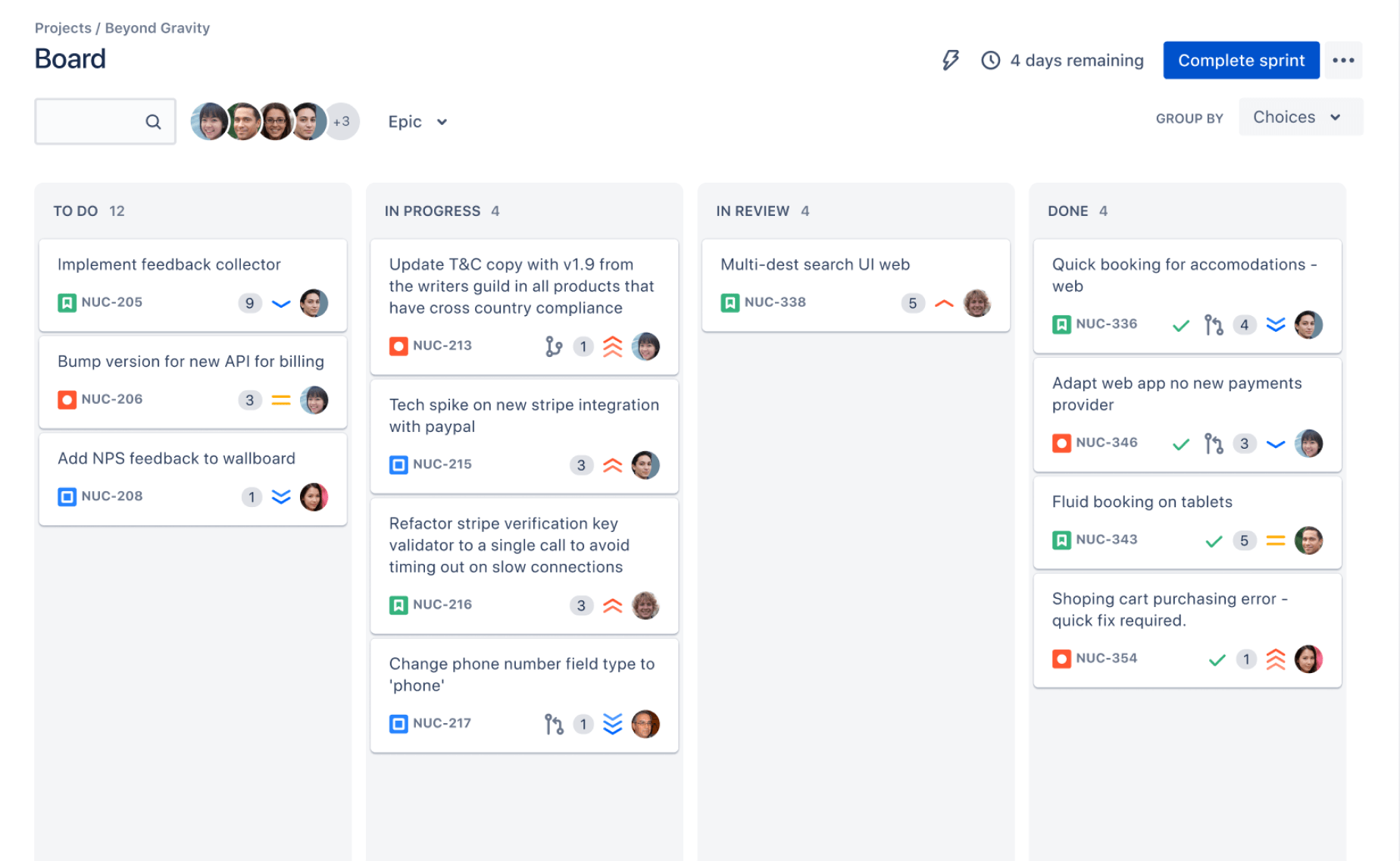
What each plan is intended to cover
- Free: A limited entry point for small teams that need basic request handling and simple service workflows.
- Standard: Core service desk capabilities, request portals, queues, knowledge connections, automation, reporting, and routine administration.
- Premium: More advanced scale, resilience, operational controls, and capabilities for teams with demanding service environments.
- Enterprise: A negotiated option for larger deployments that need centralized control, commercial flexibility, and organization-wide administration.
Features can change as Atlassian updates its plans. Treat any 2026 estimate as a planning figure until you confirm the current price for your region, currency, billing term, and seat count.
How to Build an Accurate Cost Estimate
-
Count agents rather than everyone who needs help. An agent is usually someone who works on requests, manages queues, updates incidents, or administers the service project. A customer typically submits or follows a request through the portal.
For example, 2,000 employees may use an IT portal, while only 14 IT specialists need agent access. Your first estimate should start with 14 seats, not 2,000.
-
Separate service teams by role. List IT support, HR, facilities, legal, finance, and customer support separately. Some teams may need full agent access, while others only need occasional participation.
This exercise often reveals inactive seats. A manager who approves one request each month may need a different workflow than a specialist who handles 40 tickets daily.
-
Choose a realistic plan. Compare the workflows you need today with the capabilities you expect within the next year. A cheaper plan can become expensive if you must redesign operations after rapid growth.
Ask whether you need advanced incident management, higher availability, sophisticated reporting, or broader administrative controls. Those requirements can push your estimate toward Premium or Enterprise.
-
Decide between monthly and annual billing. Monthly billing offers flexibility when your team changes frequently. Annual billing can simplify budgeting and may provide different commercial terms.
Model both options using your expected minimum and maximum seat counts. A seasonal service team may prefer monthly flexibility, even when the annual rate appears attractive.
-
List external costs. Include marketplace apps, implementation services, consulting, training, migration, and internal administration. A reporting app or time-tracking extension can materially change the final bill.
Also consider identity management, audit requirements, integrations, and service monitoring. These expenses may sit outside the core subscription.
-
Test a growth scenario. Calculate the cost at launch, after six months, and after one year. Add expected agents, new service projects, and additional integrations.
A useful forecast includes a low, expected, and high scenario. This gives finance a range instead of a fragile single number.
What Actually Drives the Monthly Bill?
The largest cost driver is usually the number of paid agents. However, the plan level and optional services can change the result more than a few extra seats.
| Cost factor |
Why it matters |
| Agent seats |
Most service teams pay according to the people handling requests and operating workflows. |
| Plan level |
Advanced capabilities can require Premium or Enterprise instead of Standard. |
| Billing term |
Monthly and annual arrangements can produce different effective costs and commitment levels. |
| Marketplace apps |
Reporting, time tracking, approvals, asset management, and integration apps may add separate charges. |
| Automation volume |
Large-scale automation can introduce limits, usage considerations, or a need for higher capacity. |
| Implementation effort |
Migration, workflow design, training, and governance create internal or consulting costs. |
Agent seats versus customers
This distinction is one of the most important parts of the pricing model. Customers can often create requests without consuming the same paid seat as an agent.
Imagine a facilities team serving 8,000 employees. If 12 facilities specialists manage requests, the subscription estimate should focus on those 12 agents.
But here’s the catch: someone who only approves requests may still require a licensed role, depending on the workflow and product rules. Review each role instead of assuming every occasional participant is free.
Plan upgrades can change the entire calculation
Suppose Standard costs less per seat, but your organization needs advanced incident response and higher operational resilience. Comparing only the seat rate misses the cost of the required capability.
The better method is to compare complete operating scenarios. Include the plan, seats, apps, administration, and expected growth. This produces a more realistic financial picture.
Illustrative 2026 Budget Scenarios
The examples below show how to structure a forecast. They are planning scenarios, not guaranteed quotes. Confirm the current commercial amount before approving a purchase.
| Team profile |
Likely setup |
Main budget questions |
| Small internal help desk |
3 to 8 agents on Free or Standard |
Will the team exceed Free limits? Are essential reporting or integration apps required? |
| Growing IT service team |
10 to 40 agents on Standard |
How many teams need agent access? Which integrations must operate on launch? |
| Enterprise service operation |
50 or more agents on Premium or Enterprise |
Are advanced resilience, governance, reporting, and commercial controls necessary? |
| Multi-department service hub |
Several service projects with shared agents |
Can one agent support multiple departments, and how will access be governed? |
Example: a 12-agent IT team
Assume 12 IT specialists handle requests, incidents, and access approvals. The team chooses Standard and adds one integration app.
The forecast should include 12 agent subscriptions, the app charge, taxes, onboarding effort, and a reserve for two additional agents. It should also explain whether the team will bill monthly or annually.
That is more useful than multiplying a headline rate by 12. The headline figure does not reveal implementation work or future seat growth.
Example: a 35-agent shared service center
Now imagine a shared team supporting IT, HR, and facilities. The team needs 35 agents, several request types, approval workflows, and executive reporting.
Its forecast should compare Standard and Premium. The team should also estimate administration time because cross-department permissions and workflow ownership become more complicated.
Here’s why: the cheapest subscription can create expensive operational work when governance is unclear. A slightly higher plan may reduce manual administration.
Hidden Costs That Can Affect Your Forecast
Cloud pricing is easier to underestimate when you focus only on licensing. The following expenses often appear during rollout or expansion.
Marketplace applications
Teams commonly add applications for time tracking, advanced reporting, approvals, asset discovery, customer feedback, or specialized integrations.
Each app can have its own pricing model. Some charge by seats, while others use volume, service projects, or feature tiers. Review app costs before finalizing the platform budget.
Migration and implementation
Moving from another service desk can involve request type redesign, workflow mapping, permissions, portal configuration, and historical record handling.
A simple internal setup may need only a few administrator days. A regulated enterprise environment may require external consulting, testing, training, and phased rollout.
Administration and governance
Someone must maintain queues, automation, request types, service-level targets, permissions, reports, and knowledge content. This effort has an internal cost, even when no separate invoice appears.
For example, a service desk with 20 teams may need a dedicated platform owner. Without ownership, inconsistent workflows can create more work for agents.
Integration and identity management
Single sign-on, user provisioning, chat tools, monitoring systems, asset tools, and collaboration platforms may require configuration or additional subscriptions.
List every integration required for launch. Then mark it as native, configurable, or dependent on an external application.
How to Reduce Unnecessary Service Management Spend
Cost control begins with clean access rules. Review agent activity every quarter and remove paid access when someone no longer handles requests.
Next, standardize request types. Ten nearly identical forms can create more automation and maintenance work than one well-designed form.
Use a role-based access review
Create three groups: daily agents, occasional agents, and customers. Review the occasional group carefully. Some people may need approval access, while others can approve through a simpler route.
Keep a short explanation for every paid seat. This makes renewal discussions faster and highlights unused capacity.
Control app expansion
Require a clear business case before adding an application. Ask what manual work it removes, which team owns it, and how the app affects future licensing.
Two small apps can cost more than expected when each grows with your agent count. Consolidating capabilities may reduce both subscription expense and administrative complexity.
Measure operational value
Track first-response time, resolution time, request deflection, reopened requests, and agent workload. These measures show whether the subscription supports better service.
For example, a knowledge portal that reduces repetitive requests may justify its cost more clearly than a rarely used reporting extension.
Jira Service Management Cloud Alternative: ONES.com
ONES.com is a unified platform for project management and knowledge management, powered by ONES Assistant. ONES Project provides project and service workflow capabilities as a Jira alternative, while ONES Wiki provides knowledge management as a Confluence alternative. They can be sold separately.
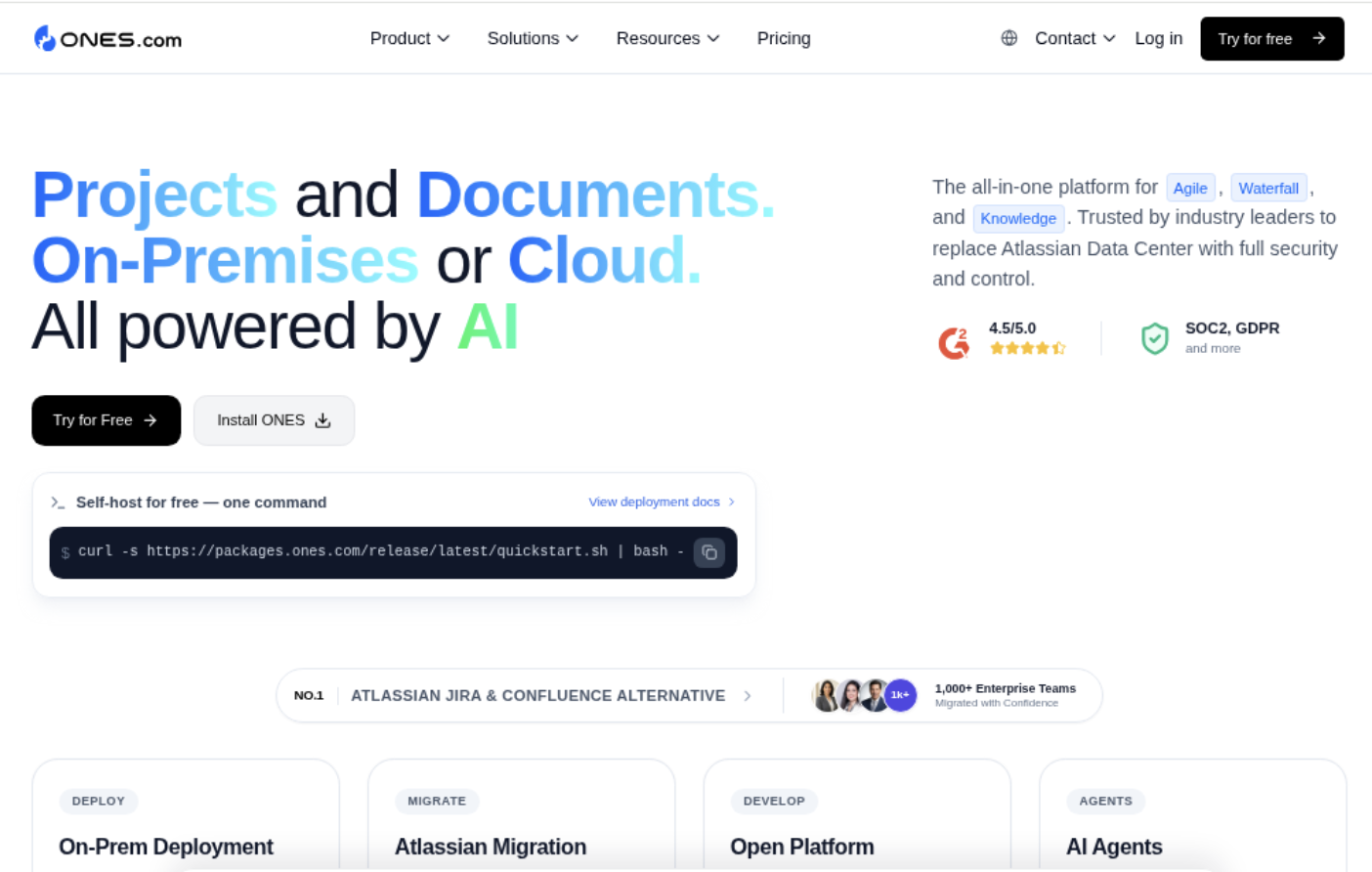
For teams comparing long-term service operations, ONES.com can be relevant when native project, knowledge, and service workflows matter more than assembling several plugins.
Core capabilities
- Disconnected project and service workflows: Teams often move between separate systems to connect delivery work with support requests. ONES Project brings project management workflows, sprint management, and service-related work into one environment. The result is less context switching.
- Plugin-heavy reporting: Reporting extensions can increase administration and licensing complexity. ONES Project includes built-in reporting for common planning and delivery needs. Teams can begin with fewer add-ons.
- Rigid workflow design: Different service teams need different approval paths and statuses. Custom workflows and custom fields let administrators adapt processes without redesigning the whole operating model.
- Manual repetitive updates: Reassignments, notifications, and status changes consume agent time. Automation helps reduce routine actions and keeps work moving consistently.
- Separate knowledge locations: Agents lose time when answers sit away from active work. ONES Wiki connects knowledge management with project and service operations when both products are used together.
- Restricted-network requirements: Some organizations cannot place operational work in a public cloud environment. ONES.com supports Cloud, On-Premise, Private Cloud, and Air-gapped deployments.
- Different self-hosted behavior: Teams may worry that self-hosted editions lack cloud capabilities. ONES.com maintains feature parity between its cloud and self-hosted versions.
- High entry cost for evaluation: Smaller teams need room to test workflows before committing. ONES.com offers a free plan for up to 30 seats.
Application scenarios
Scenario one: an internal IT team in a restricted network. The team needs sprint planning, incident coordination, custom approval workflows, and air-gapped deployment. ONES Project can support the project workflow while remaining suitable for restricted infrastructure.
Scenario two: a growing product organization. Product, engineering, and support teams need shared visibility. ONES Project can connect sprint work and issue handling, while ONES Wiki gives teams a central knowledge area.
Scenario three: a multi-department operations group. HR, facilities, and IT need different forms and approval routes. Custom fields, workflow controls, and automation can help each group operate within a common platform.
Common Challenges With Cloud Pricing Estimates
Challenge: confusing customers with agents
Problem: A team multiplies the price by its entire employee population.
Solution: Count people who actively handle, assign, approve, or administer requests. Then confirm how occasional participants are licensed in the selected plan.
Challenge: using an outdated price in a 2026 budget
Problem: Plan rates, limits, currencies, and commercial terms can change.
Solution: Add the retrieval date to every estimate. Recheck the final amount before purchase, renewal, or executive approval.
Challenge: ignoring optional applications
Problem: The core subscription looks affordable, but reporting and integration apps double the expected spend.
Solution: Create an application inventory. Record its purpose, pricing basis, owner, renewal date, and removal plan.
Challenge: selecting a plan that is too small
Problem: A team chooses the lowest tier and later needs advanced controls or scale.
Solution: Compare one-year operating requirements, not only launch requirements. Include expected service projects, agents, and governance needs.
Challenge: treating administration as free
Problem: No one budgets for workflow maintenance, permissions, reporting, and training.
Solution: Assign a platform owner and estimate monthly administration time. This gives leadership a more honest total cost.
FAQs
Do customers need paid Jira Service Management seats?
Customers who submit requests through a portal generally do not need the same paid agent access as service staff. Agents work queues, update requests, manage incidents, and administer service projects. Still, approval and collaboration scenarios can vary. Review each participant’s role before finalizing your seat count.
Which Jira Service Management Cloud plan is best for a small team?
Free may suit a very small team testing basic service workflows. Standard is usually a better fit when the team needs broader administration, reporting, automation, and regular operational use. Compare the plan limits with your expected growth. A small team can outgrow an entry tier quickly after adding departments or integrations.
Is Premium worth the additional cost?
Premium can make sense when your organization needs advanced scale, resilience, incident operations, or stronger operational controls. It may not be worthwhile for a small help desk with straightforward request handling. Compare the specific capability you need with its business value. Avoid upgrading simply because the plan sounds more complete.
How should I budget for marketplace apps?
List every required integration and extension before approving the platform. Record whether each one charges by agent, customer volume, service project, or feature tier. Then model growth for the next 12 months. Include renewal timing because an app may have a different commercial cycle from the core subscription.
Can ONES.com replace Jira Service Management Cloud?
ONES.com can be evaluated as a Jira alternative for teams that want project management, knowledge management, custom workflows, reporting, sprint planning, and automation in a unified platform. ONES Project and ONES Wiki are sold separately. Deployment options include Cloud, On-Premise, Private Cloud, and Air-gapped environments, with feature parity between cloud and self-hosted versions.
Conclusion
Jira Service Management Cloud pricing becomes easier to understand when you separate agent seats, plan level, optional applications, billing terms, and implementation work.
Start with the people who actively handle requests. Then compare Free, Standard, Premium, and Enterprise against your actual operating requirements. Add growth, integration, governance, and administration costs before presenting a budget.
But here’s the truth: a low seat rate does not guarantee a low service management cost. The right choice supports your workflows without creating unnecessary licensing or maintenance work.
If you need another path, ONES.com offers ONES Project as a Jira alternative and ONES Wiki as a Confluence alternative. Its deployment flexibility and native capabilities may suit teams seeking a more unified operating model.