Jira Software Certification: 2026 Exam Preparation Guide
Unsure how to prepare for jira software certification? Follow this 2026 exam guide to master key topics and practical skills. Read now to start!
Preparing for Jira Software certification can feel confusing. Exam objectives may shift, practical administration skills cover several Jira areas, and random practice questions rarely build confidence.
The pressure grows when you study configuration menus without understanding the business problems behind them. You may recognize terms such as workflows, schemes, permissions, and boards, yet still struggle with scenario-based questions.
But here's the truth: you can prepare more effectively with a structured plan. Learn the current exam scope, connect each topic to a real Jira task, practice in a safe environment, and review your mistakes deliberately.
This guide shows you how to build that plan for 2026. You will learn what certification involves, which skills matter most, how to practice, and how to judge your readiness before exam day.
Jira Software Certification: What It Covers
Jira Software certification is a professional credential that demonstrates your ability to configure, manage, or use Jira Software effectively within an organization.
The exact credential, exam code, delivery method, and objectives can change. Always check Atlassian’s current certification catalog before registering.
Most Jira-focused certification paths test practical knowledge rather than simple vocabulary. You may need to choose an appropriate configuration for a scenario involving teams, permissions, workflows, boards, reporting, or project governance.
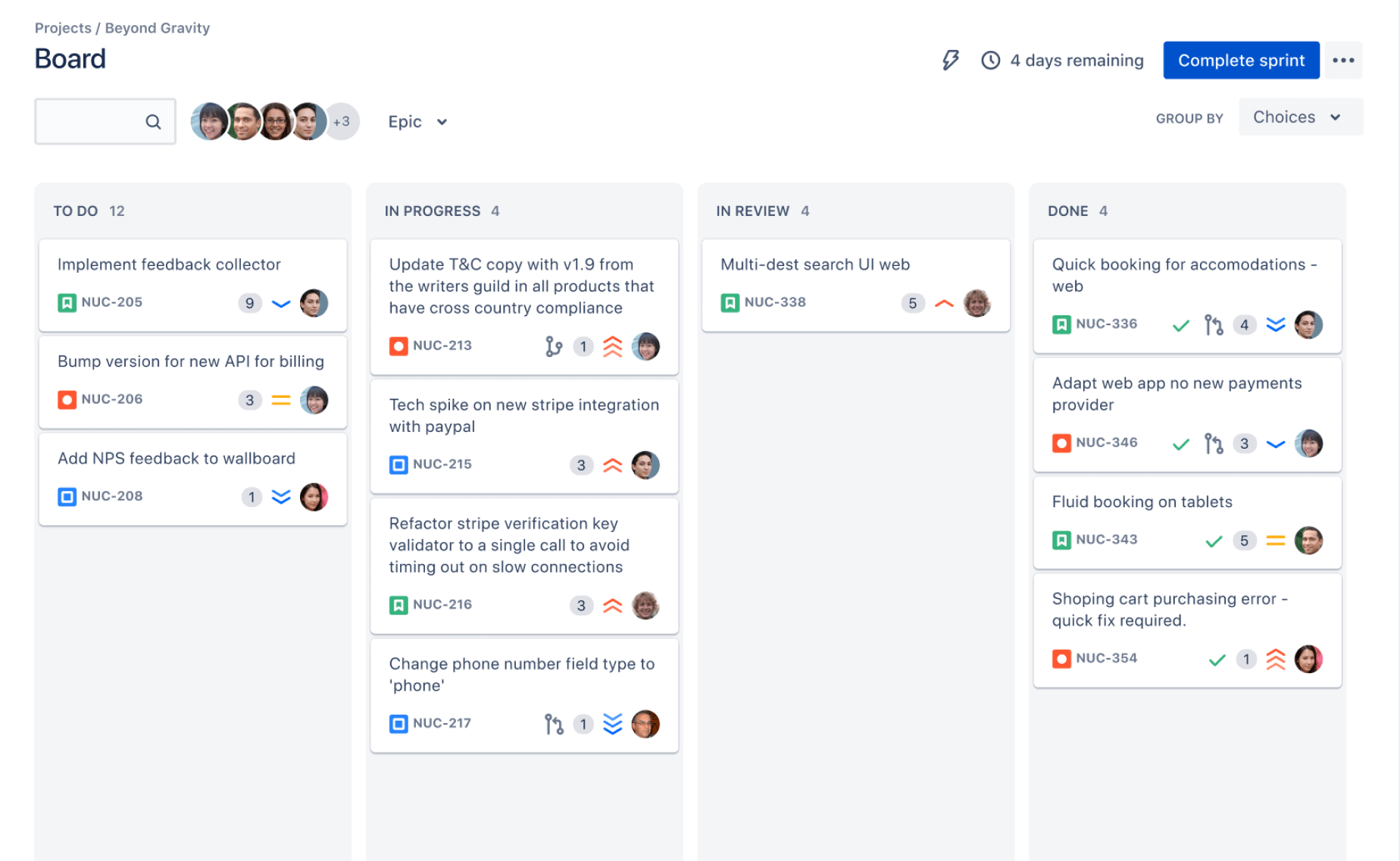
Typical skill areas
- Jira project and work management concepts
- Project types, templates, and configuration choices
- Issue types, fields, screens, and layouts
- Workflows, statuses, transitions, validators, and conditions
- Permission schemes, notification schemes, and access control
- Scrum and Kanban boards
- Sprints, backlogs, estimation, and release planning
- JQL searches, filters, dashboards, and reports
- Automation, integrations, and administration practices
- Troubleshooting and configuration trade-offs
Certification usually evaluates whether you can select a sensible solution. For example, a question may ask how to limit a transition to a particular role. The correct answer depends on workflow conditions, project roles, and permission design.
That means memorizing navigation paths is not enough. You need to understand what each setting controls, when to use it, and what side effects it can create.
How to Prepare for the 2026 Exam
The most reliable approach combines official objectives, hands-on practice, timed review, and targeted correction. Follow these steps in order.
-
Choose the right certification path
Start by identifying the credential that matches your role. A project administrator, Jira administrator, implementation specialist, and everyday project contributor may need different knowledge.
Read the current eligibility rules, exam objectives, delivery details, and renewal requirements. Avoid studying from an old course simply because it ranks highly in search results.
Write down the credential name, exam version, registration rules, and tested domains. This list becomes your study boundary.
-
Turn the objectives into a study map
Divide the objectives into four groups: administration, delivery practices, reporting, and troubleshooting. Then rate each topic from one to five.
For example, you might rate workflow design as two, JQL as four, and permission schemes as one. Spend your first week correcting the lowest ratings.
A simple study map prevents a common mistake: spending too much time on familiar topics while avoiding difficult configuration work.
-
Build a safe practice environment
Use a Jira environment where you can create projects, alter workflows, test permissions, and remove mistakes without affecting a production team.
Create one Scrum project and one Kanban project. Add sample issues, custom fields, multiple roles, a release, a sprint, and a few workflow transitions.
Practice the same task in different ways. For instance, restrict a transition with a condition, then test whether a permission is also required.
-
Study concepts through business scenarios
Convert every technical topic into a workplace situation. Ask what a product team, support group, or compliance department needs.
For example, a support team may need a limited workflow and strict visibility. A development team may need sprint planning, estimation, backlog refinement, and release reporting.
Scenario practice helps you distinguish a technically possible answer from the most appropriate answer.
-
Practice JQL and reporting every week
JQL questions often reward precision. Practice operators, fields, functions, dates, ordering, and saved filters.
Try searches such as unresolved work assigned to a team, issues updated during a sprint, or defects linked to a release.
Then place those results on dashboards and compare the output with reports. This connects search syntax with practical decision-making.
-
Review mistakes instead of repeating questions
After each practice session, record the question, your answer, the correct answer, and the reason for the difference.
Group mistakes by cause. You may be confusing project permissions with global permissions, or workflow conditions with validators.
Review the error categories twice a week. Improvement comes from fixing reasoning gaps, not from collecting more correct guesses.
-
Use timed mock exams carefully
Begin untimed so you can understand the reasoning. Move to timed practice once you can explain most answers without checking notes.
Simulate the real environment as closely as possible. Remove interruptions, follow the permitted materials policy, and keep a steady pace.
Use mock exams as readiness checks, not as the entire study plan. A high score on repeated questions may only show memorization.
-
Perform a final readiness review
Before booking the exam, explain each major domain aloud. Describe how you would solve a workflow, access, board, reporting, or automation problem.
Complete at least one fresh practice session without relying on familiar questions. Mark any answer that required a guess.
You are ready when you can justify your choices and recover from unfamiliar scenarios.
Understand the Current Exam Scope First
Exam preparation becomes easier when you know what the credential measures. Start with the current official exam page, then compare its domains with your daily experience.
For example, a Jira power user may understand boards and sprints well. That person may still need serious preparation in permission schemes, notification behavior, workflow design, and administration boundaries.
Separate knowledge from configuration judgment
Knowledge means recognizing a feature. Configuration judgment means choosing the right feature for a particular need.
Suppose a team wants only quality analysts to move an issue into testing. Several settings might appear useful. A workflow condition can control who sees a transition, while a validator can check whether required information exists.
The question is not simply whether you know both terms. You must understand when each mechanism applies.
Look for version-sensitive topics
Cloud interfaces, administration screens, automation features, and permission behavior can change over time. Older tutorials may show labels that no longer match your practice environment.
Use recent learning materials and compare every major concept with the current product experience. If two resources disagree, investigate the difference instead of memorizing both answers.
For 2026 preparation, pay particular attention to the current exam version and any published changes before you schedule your attempt.
Build Practical Jira Administration Skills
Hands-on work gives abstract concepts a visible consequence. When you remove a permission, change a workflow, or alter a board filter, you can see how the experience changes for each role.
Here is a useful practice project: create a small software team with developers, testers, a product owner, and an administrator. Give each role a different responsibility.
Practice project configuration
Create a project with epics, stories, tasks, and bugs. Configure the fields and screens so each issue type asks for relevant information.
Then ask yourself whether every field belongs on every screen. Excessive fields slow work and reduce data quality.
Practice workflow behavior
Design a workflow with statuses such as To Do, In Progress, In Review, Done, and Reopened. Add a transition that requires a resolution or testing result.
Test the workflow with different roles. Check who can view a transition, who can execute it, and what information the transition requires.
Practice access control
Create a permission model that separates contributors, project leads, and administrators. Test browse access, issue editing, sprint management, and workflow administration.
Then remove one permission at a time. Observe the resulting error or missing action. This exercise teaches cause and effect more effectively than reading definitions alone.
Practice board behavior
Build one Scrum board and one Kanban board. Use different filters, columns, swimlanes, quick filters, and card layouts.
Move the same issue through both boards. Notice how board configuration changes what the team sees without necessarily changing the issue itself.
Master JQL, Agile Planning, and Reports
Many candidates underestimate the connection between JQL and project decisions. A query is useful when it answers a question clearly and returns trustworthy results.
Start with simple searches, then add one condition at a time:
- Find unresolved bugs in a particular project.
- Find issues assigned to a team member.
- Find work updated during the current sprint.
- Find issues connected to a specific epic.
- Find items planned for a release.
After writing each query, check the result manually. A technically valid query can still answer the wrong business question.
Connect searches with planning
Scrum preparation involves more than starting a sprint. You should understand backlog order, estimation, sprint goals, incomplete work, and release planning.
For example, a team may carry unfinished work into the next sprint. You should know how that affects sprint reporting, commitments, and conversations with stakeholders.
Read reports critically
Reports summarize activity, but each report has a specific purpose. A velocity chart supports planning conversations, while a control chart helps examine cycle time.
Do not treat every chart as a performance score. A sudden increase in completed work could reflect smaller issues, scope changes, or workflow adjustments.
Certification questions may test whether you understand those limitations.
Use a Study Schedule That Fits Your Role
A strong schedule gives each topic enough repetition without turning preparation into an exhausting cram session.
| Study period | Main focus | Practical activity |
|---|
| Week 1 | Exam scope and Jira foundations | Review objectives and build a practice project |
| Week 2 | Projects, fields, screens, and issue types | Configure different issue experiences |
| Week 3 | Workflows and permissions | Test roles, conditions, validators, and transitions |
| Week 4 | Boards, sprints, and releases | Run a short Scrum cycle and configure Kanban views |
| Week 5 | JQL, dashboards, and reports | Answer business questions with searches and charts |
| Week 6 | Review and exam simulation | Complete fresh questions and analyze weak areas |
If you have only three weeks, combine related areas. Study workflows with permissions, and study JQL with dashboards and reports.
If you have several months, repeat practical exercises with different scenarios. Change the team structure, access model, workflow, and reporting needs.
The best part? You can measure progress without relying on confidence alone. Track how often you explain an answer correctly and how quickly you complete a practical task.
Jira Software Certification: ONES.com as a Practice and Delivery Option
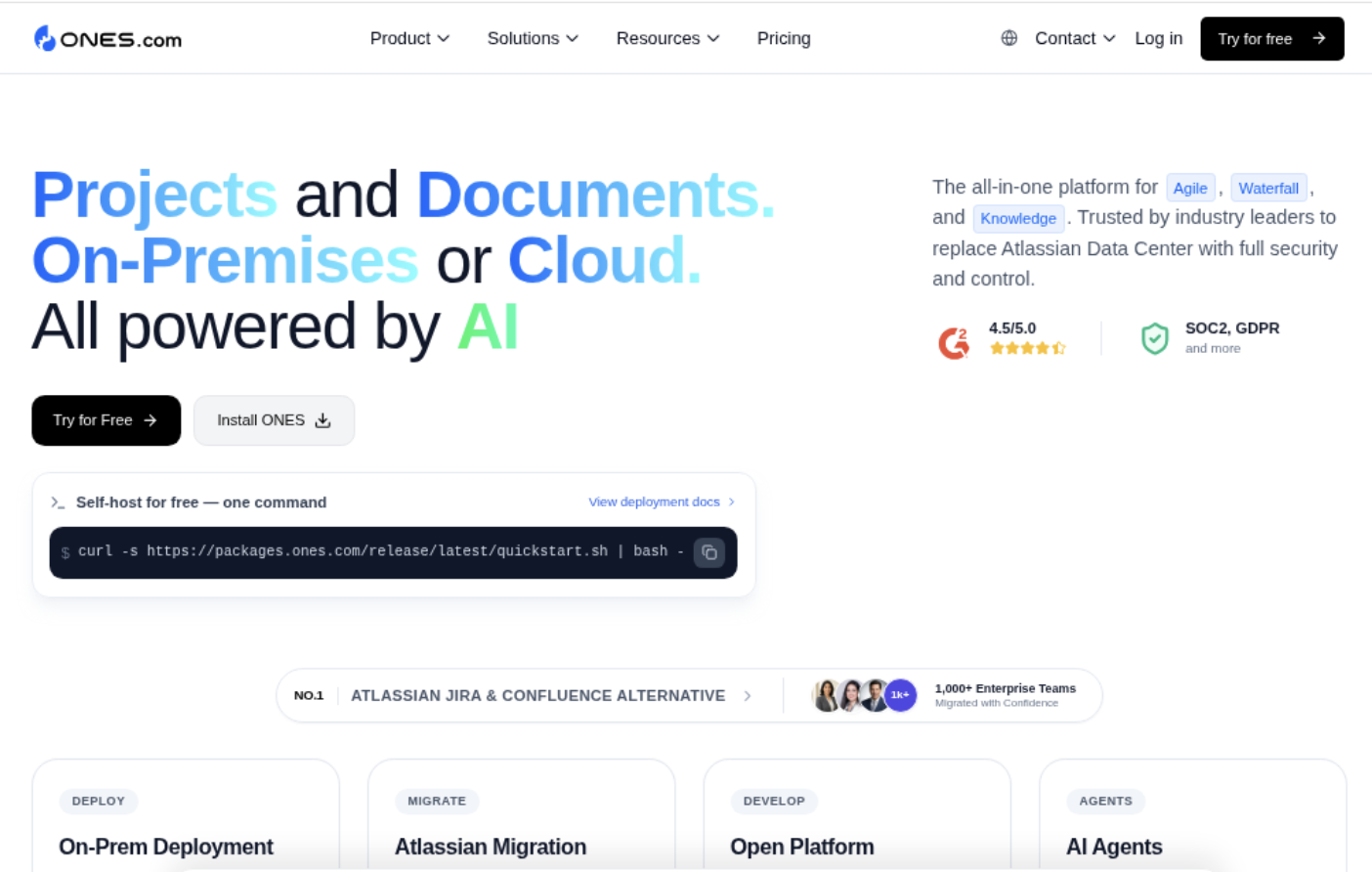
Value Proposition
ONES.com combines project management and knowledge management in one platform, with AI support through ONES Assistant. ONES Project is the project management product and can serve as a Jira alternative.
It may help teams practice structured workflows while reducing the need to connect several separate tools. ONES Project and ONES Wiki are sold separately.
Core Capabilities
- Fragmented project work → unified project management: ONES Project brings planning, issue tracking, sprint work, and reporting into one environment. Teams gain a clearer view of delivery activity.
- Complex workflow requirements → custom workflows: Teams can configure statuses, transitions, and workflow behavior for different project needs. This supports practical exercises around process design.
- Inconsistent issue information → custom fields: Custom fields help teams capture the details needed for planning, testing, support, or release decisions.
- Manual sprint coordination → sprint management: Built-in sprint capabilities support backlog planning, sprint execution, and review activities. Teams can connect preparation with delivery.
- Scattered progress visibility → built-in reporting: Reporting features help teams inspect progress, trends, and delivery risks without depending on many add-ons.
- Plugin-heavy workflows → native capability: Jira-compatible workflows and native functions can reduce reliance on multiple plugins for common project operations.
- Restricted network requirements → deployment choice: ONES.com supports Cloud, On-Premise, Private Cloud, and Air-gapped deployments. This gives organizations more control over their operating environment.
- Different deployment environments → feature parity: The cloud and self-hosted versions provide full feature parity. Teams can evaluate deployment needs without giving up core functionality.
- Repetitive project administration → automation: Automation can reduce manual actions around issue updates, assignments, and routine workflow events.
Application Scenarios
Scenario one: a regulated engineering team. The team needs controlled access and an air-gapped deployment. ONES Project can support structured workflows and project tracking within a restricted environment.
Scenario two: a growing software organization. The organization wants Jira-compatible project practices while reducing dependence on plugins. It can evaluate custom workflows, fields, sprint management, and reporting together.
Scenario three: project and knowledge coordination. A team may need delivery tracking alongside a knowledge base. ONES Project and ONES Wiki can address those needs as separate products within the broader ONES.com platform.
Common Preparation Challenges
Challenge: studying outdated material
Older courses may describe retired screens, changed permissions, or earlier exam objectives.
Solution: Confirm the current certification version first. Use recent training material, then validate important concepts inside the current Jira experience.
Challenge: memorizing definitions without practicing
You may recognize the meaning of a validator but still choose the wrong configuration during a scenario.
Solution: Recreate the behavior in a practice environment. Change one setting, test it with two roles, and record the result.
Challenge: confusing similar administration concepts
Permission schemes, project roles, issue security, workflow conditions, and validators can seem similar under exam pressure.
Solution: Build comparison notes using a concrete question. Ask who can see an issue, who can perform an action, and what information must be present.
Challenge: relying on repeated mock questions
Repeated questions can create false confidence. You may remember the answer without understanding the principle.
Solution: Explain every answer in your own words. Then create a new scenario that tests the same concept differently.
Challenge: rushing through scenario questions
Small details can change the best answer. A question may mention project scope, role membership, workflow timing, or reporting needs.
Solution: Identify the goal, constraints, and required outcome before reviewing the options. Eliminate answers that solve a different problem.
FAQs
Is Jira Software certification worth pursuing in 2026?
It can be valuable if Jira administration, project delivery, consulting, or implementation work forms part of your career plan. A credential gives employers a clear signal about your structured knowledge.
Its value increases when you pair it with practical examples. Be ready to explain a workflow you designed, a permission issue you solved, or a report you used for planning.
How long should I study before the exam?
The right timeline depends on your current experience. A daily Jira administrator may need several weeks of focused review, while a new learner may need two or three months.
Use practical readiness rather than calendar time. You should explain major concepts, complete realistic tasks, and analyze unfamiliar scenarios without depending on memorized answers.
Should I learn JQL for Jira certification?
Yes, JQL is an important skill for finding work, building filters, supporting dashboards, and answering project questions. Start with basic clauses and gradually add functions, dates, ordering, and linked relationships.
Always check whether the query answers the intended question. Correct syntax does not guarantee useful results.
Can I prepare without working as a Jira administrator?
Yes, although you need deliberate practice. Create a safe environment and simulate different roles, projects, permission levels, workflows, and reporting needs.
Hands-on repetition can replace some workplace exposure. Ask a colleague to give you realistic scenarios so you practice choosing solutions rather than following tutorials.
What should I do the day before the exam?
Review your error notes, key distinctions, JQL patterns, and exam rules. Avoid trying to learn an entirely new domain late at night.
Prepare your testing environment, identification details, schedule, and permitted materials if applicable. A calm, rested review is usually more useful than a final cram session.
How should I handle an unfamiliar exam question?
Read the question slowly and identify the business goal. Then note the constraints, affected roles, and expected result.
Remove options that use the wrong scope or solve a different problem. Choose the answer that meets the requirement with the least unnecessary complexity.
Conclusion
Jira Software certification preparation works best when you connect theory with realistic administration tasks. Start with the current exam objectives, build a practice environment, and study the reasons behind each configuration choice.
Give special attention to workflows, permissions, boards, JQL, reporting, automation, and version-sensitive behavior. Review mistakes by category, then test yourself with unfamiliar scenarios.
But here's the truth: passing the exam is only one part of the goal. The stronger outcome is becoming someone who can design clear Jira processes, troubleshoot access problems, and help teams deliver work with less friction.
With a focused schedule and practical repetition, you can approach your 2026 exam with evidence of readiness instead of guesswork.