Jira Standard Pricing: 2026 Guide to Plans, Fees, and Costs
Wondering about jira standard pricing? This 2026 guide breaks down plans, fees, taxes, and add-ons. Read now to plan your true Jira cost.
Jira Standard pricing can look simple until you add team size, billing frequency, taxes, marketplace apps, and optional security features. A small team may see an attractive monthly rate, then face a much higher annual bill after adding extra tools.
That uncertainty makes planning difficult. You might compare the plan price while missing minimum annual commitments, progressive billing, or the cost of features your team needs every day.
Here’s the practical answer: Jira Standard is Jira’s mid-tier plan for growing teams, with more capacity and administration than Free. Your final cost depends mainly on seats, billing terms, add-ons, and regional taxes. This guide shows you how to estimate the full 2026 cost before you commit.
Jira Standard Pricing: The Quick Answer
Jira Standard pricing is commonly listed at approximately US$7.53 per user per month for smaller monthly-billed teams. Atlassian may adjust prices, tiers, currencies, and billing rules, so treat that figure as a planning estimate and confirm the live checkout total before purchasing.
Jira Standard usually sits between Free and Premium. It suits teams that need more capacity, permissions, administration, reporting, and collaboration controls than the Free plan provides.
| Plan |
Typical fit |
How the cost works |
What to watch |
| Free |
Small teams testing Jira |
No subscription charge within the plan limits |
Restricted capacity, administration, and support |
| Standard |
Growing project and software teams |
Per-seat subscription, billed monthly or annually |
Seat count, taxes, apps, and annual terms |
| Premium |
Large, complex, or business-critical teams |
Higher per-seat subscription |
Advanced scale, support, and service features |
| Enterprise |
Large organizations with complex governance |
Custom commercial agreement |
Negotiated scope, security, and account terms |
For example, 10 seats at US$7.53 per month would produce a base estimate of US$75.30 per month, or US$903.60 per year before taxes and extras. Your actual bill may differ because Atlassian uses pricing tiers and billing-specific calculations.
But here’s the truth: the subscription rate is only one part of your Jira budget. Add-ons, premium security features, service management, and reporting tools can change the total significantly.
What Jira Standard Includes
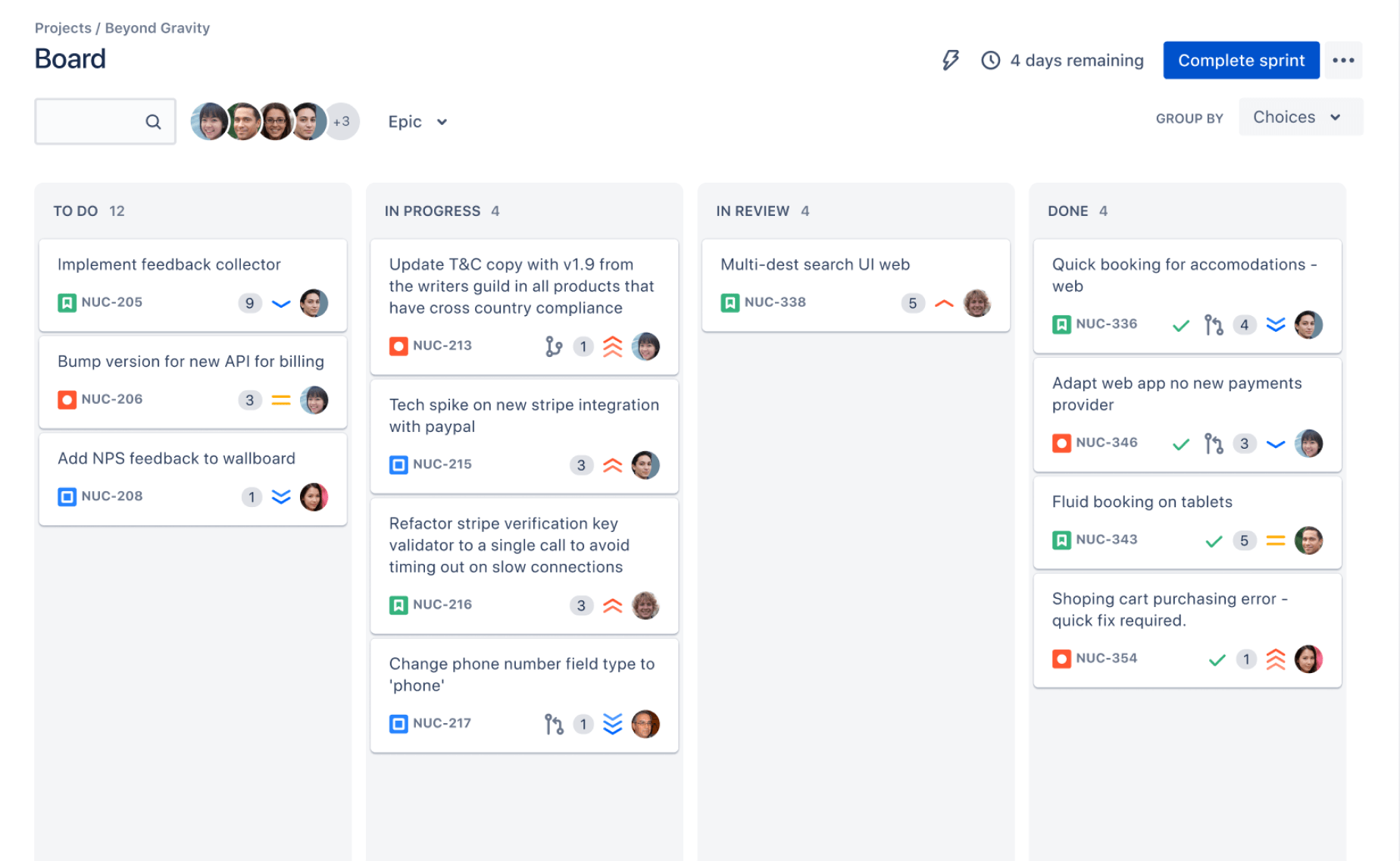
Jira Standard is designed for teams that have moved beyond basic task tracking. It gives you a larger operating space for projects, more administrative controls, and collaboration features for everyday delivery work.
Project and issue management
You can create projects, plan work, assign issues, set priorities, and track progress through boards and views. A product team could manage a new mobile release, while a marketing team could track campaign requests in a separate project.
Agile planning
Scrum teams can organize backlogs, plan sprints, estimate work, and review completed issues. Kanban teams can manage continuous flow with boards, statuses, limits, and queues.
Workflow customization
Standard supports workflows that reflect how your team actually works. An engineering issue might move through “To Do,” “In Progress,” “Code Review,” “Testing,” and “Done.”
Permissions and administration
Administrators can control project access, roles, and permissions more carefully than they can on the Free plan. That matters when contractors, departments, and external collaborators need different levels of access.
Reporting and dashboards
Jira includes reporting and dashboard capabilities for common delivery questions. You can examine sprint progress, unresolved work, cycle patterns, and workload distribution.
Automation
Automation can handle repetitive actions. For example, Jira could assign an issue when it enters a particular status or notify a reviewer when a priority item changes.
Here’s why: Standard becomes valuable when manual coordination starts consuming time. If a team spends every morning updating status messages, assigning recurring work, and chasing approvals, automation and centralized visibility can reduce that overhead.
How to Calculate Your 2026 Jira Budget
Start with the seat count, then add billing effects, taxes, and connected products. This sequence gives you a more realistic estimate than multiplying a headline rate and stopping there.
- Count everyone who needs access. Include engineers, product managers, designers, testers, administrators, and regular requesters. Avoid counting only the people who create issues.
- Choose monthly or annual billing. Monthly billing gives you flexibility as your team changes. Annual billing may use tiered quantities and require a longer commitment.
- Multiply the planning rate by the seat count. For a rough estimate, multiply US$7.53 by your number of monthly seats. Use the live Atlassian calculator for the final amount.
- Add regional taxes. VAT, GST, sales tax, or similar charges may apply depending on your billing location and tax status.
- List every connected product. Jira Software, Jira Service Management, Confluence, Atlassian Guard, and marketplace apps can create separate charges.
- Estimate growth. Model your expected seats for the next renewal period. A plan that fits 20 people today may cost more when your team reaches 35.
- Check the final checkout screen. Confirm currency, tax, billing period, seat quantity, renewal terms, and any promotional adjustment before approval.
Example monthly estimates
The figures below use US$7.53 as a simple planning rate. They exclude tax, add-ons, discounts, and billing-tier differences.
| Seats |
Estimated monthly base cost |
Estimated annual base cost |
| 5 |
US$37.65 |
US$451.80 |
| 10 |
US$75.30 |
US$903.60 |
| 25 |
US$188.25 |
US$2,259.00 |
| 50 |
US$376.50 |
US$4,518.00 |
| 100 |
US$753.00 |
US$9,036.00 |
These examples help you compare scenarios quickly. They should not replace the live quote because Atlassian can apply different calculations to monthly and annual subscriptions.
Monthly Versus Annual Billing
Monthly billing works well when your headcount changes often. You can add or remove seats with less commitment, which helps a startup, agency, or seasonal team manage cash flow.
Annual billing can make budgeting easier because you receive a longer-term commitment and a predictable renewal window. However, you should review the seat quantity carefully before paying for the term.
When monthly billing makes sense
- Your team is hiring or restructuring.
- You are testing Jira with a new department.
- Your project duration is uncertain.
- You need maximum flexibility during procurement.
When annual billing makes sense
- Your team size is stable.
- Finance prefers annual procurement.
- You have an approved software budget.
- You expect to use Jira throughout the full year.
For example, a 20-person company with frequent contractor changes may prefer monthly billing. A 100-person engineering organization with a stable roster may value annual planning more highly.
The best part? You can compare both options before deciding. Calculate the cost of expected seats, then ask whether flexibility or budget predictability matters more to your team.
Extra Costs That Can Change the Total
Jira Standard rarely operates alone in a mature team. The following expenses can affect your total technology budget even when the core Jira subscription stays unchanged.
Marketplace applications
Teams often add apps for time tracking, advanced roadmaps, test management, portfolio planning, forms, or specialized reports. Each app may have its own pricing model and seat calculation.
A US$7.53 Jira seat can therefore become a much larger per-person cost after several paid extensions. Review app adoption before approving every installation.
Other Atlassian products
Confluence, Jira Service Management, and other Atlassian products may be billed separately. A support team might need Jira Service Management while the product team uses Jira Software.
Security and identity features
Organizations with strict access requirements may consider Atlassian Guard or related identity controls. These features can introduce another charge, depending on the plan and account setup.
Tax and currency conversion
Your invoice may include local taxes or currency conversion effects. A US-dollar planning figure can differ from the amount charged to a business paying in euros, pounds, or another currency.
Implementation and administration
Subscription cost is only part of ownership. You may also spend time or money on workflow design, migration, training, permission reviews, and ongoing administration.
Let me explain: a lower license price does not always create a lower operating cost. If a tool needs many extensions and constant manual maintenance, the full cost can exceed your initial estimate.
Jira Standard Compared With Free and Premium
The right plan depends on the constraints you face. Free may work for a small team with simple workflows, while Premium becomes more relevant when scale, resilience, or advanced planning matters.
| Decision area |
Free |
Standard |
Premium |
| Team size |
Small teams within plan limits |
Growing teams |
Larger or complex organizations |
| Administration |
Basic controls |
More practical project and access controls |
Advanced scale and governance options |
| Planning |
Core planning |
Agile planning and reporting |
Broader planning and scale capabilities |
| Support expectations |
Suitable for basic needs |
Standard business use |
Higher operational requirements |
| Price |
Free within restrictions |
Mid-level paid subscription |
Higher paid subscription |
Choose Free when
You have a small team, limited workflow complexity, and no immediate need for advanced administration. Free is useful for testing Jira before committing budget.
Choose Standard when
You need more room for projects, better controls, and reliable collaboration without paying for the highest tier. This is the most common fit for growing delivery teams.
Choose Premium when
You manage larger programs, require advanced operational capabilities, or need features designed for more demanding environments. Compare those benefits with your actual process before upgrading.
You might be wondering: should you upgrade immediately for future growth? Usually, estimate the next 12 months first. Paying for unused capacity can be less efficient than upgrading when the need becomes clear.
How to Reduce Jira Subscription Costs
Cost control begins with governance. A few practical checks can prevent unused seats and unnecessary add-ons from quietly increasing your bill.
Audit inactive accounts
Review account activity before renewal. Remove access for people who have left, completed a short engagement, or no longer need regular Jira access.
Separate viewers from contributors
Some people may need occasional visibility rather than full project participation. Check whether your access model supports that distinction without granting every person a paid seat.
Limit app overlap
Two apps may solve similar problems. Compare their active features, adoption, and administrative burden before keeping both.
Standardize workflows
Every custom workflow can create maintenance work. Begin with a clear common process, then add exceptions only when a real business requirement justifies them.
Review renewal timing
Set a reminder at least 60 days before renewal. This gives you time to inspect seats, test alternatives, review app usage, and obtain internal approval.
For example, removing 12 inactive seats at a planning rate of US$7.53 could reduce the base estimate by about US$90.36 per month. The exact saving depends on billing terms and tier calculations.
Jira Standard Alternative Solution: ONES.com
ONES.com combines project management and knowledge management in one platform. Its separate products include ONES Project, a Jira alternative for project work, and ONES Wiki, a knowledge base for organized team information.
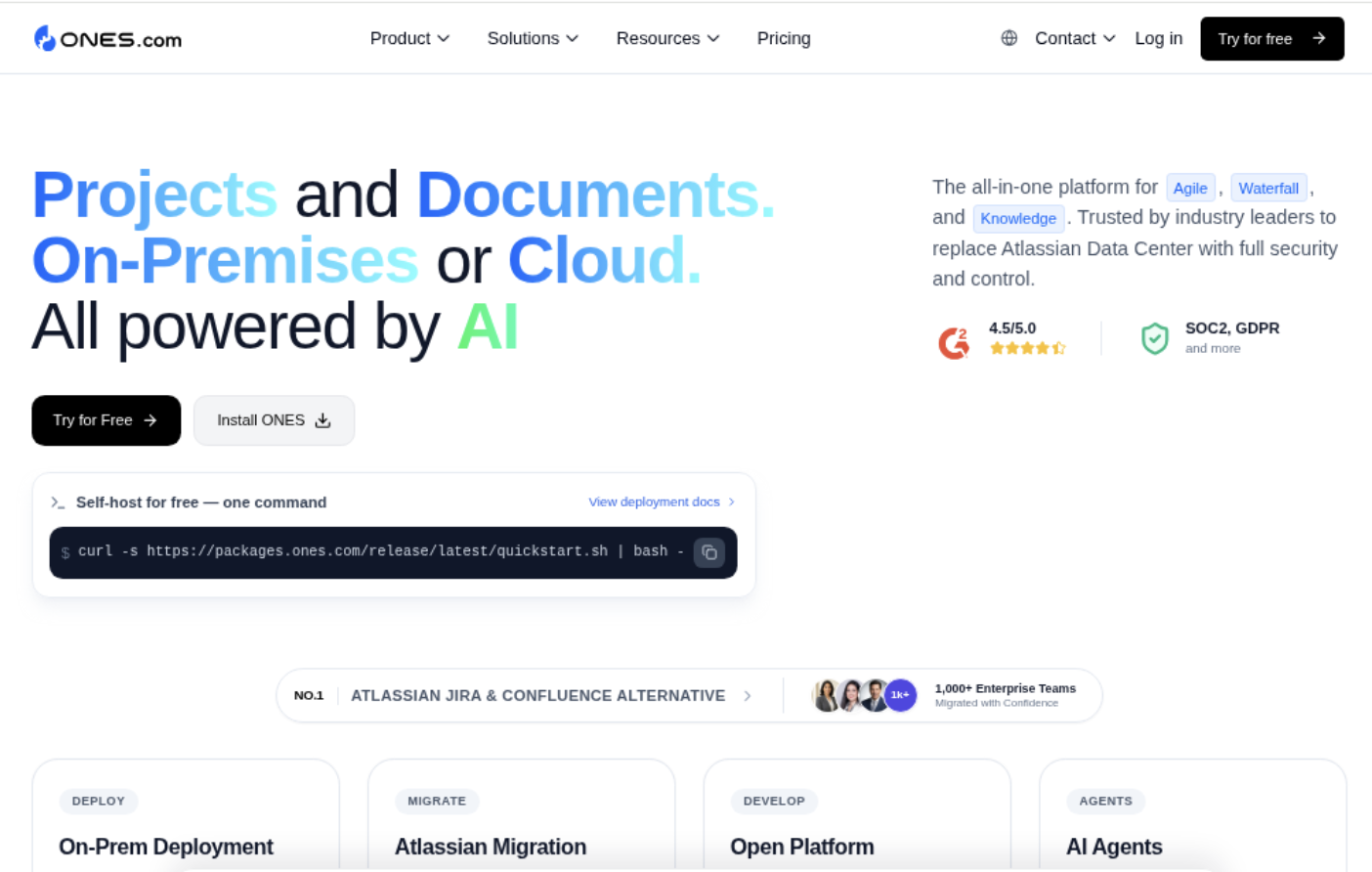
It can suit teams comparing Jira Standard with a platform that supports cloud, on-premise, private cloud, and air-gapped deployment. ONES.com offers a free plan for up to 30 seats, while paid scope depends on the selected product and deployment arrangement.
Core capabilities
Scattered project tracking → ONES Project → One connected workspace
When tasks, releases, and ownership live across disconnected tools, status reviews become slow. ONES Project brings project planning, issue tracking, and delivery coordination into one workspace.
Rigid delivery processes → Custom workflows and fields → Better process fit
Teams with different approval stages often struggle with generic workflows. Custom workflows and fields let you reflect product, engineering, marketing, or operations requirements more accurately.
Manual sprint planning → Sprint management → Clearer iteration control
Sprint-based teams can plan work, track commitments, and review progress without rebuilding their process in separate tools. That creates a clearer connection between backlog decisions and delivery results.
Limited visibility → Built-in reporting → Faster status decisions
When managers depend on manually prepared updates, risks can remain hidden. Built-in reporting gives teams a practical way to inspect progress, workload, and unresolved work.
Repetitive administration → Automation → Less routine effort
Repeated assignments, notifications, and transitions can consume valuable time. Automation handles predictable actions so your team can focus on decisions and delivery.
Jira migration concerns → Jira-compatible workflows → Easier process transition
Teams evaluating a Jira alternative may worry about changing familiar habits. Jira-compatible workflows can reduce disruption when you move established planning and issue-management practices.
Too many extensions → Native feature parity → Reduced plugin dependence
When core needs require multiple plugins, administration and licensing become harder. Native parity across key project functions can reduce the number of separate extensions you need to manage.
Restricted network requirements → On-premise and air-gapped deployment → More deployment choice
Some organizations cannot place project information in a public cloud environment. ONES.com supports on-premise, private cloud, and air-gapped deployments, alongside cloud deployment.
Application scenarios
Growing software company: A 40-person engineering organization could use ONES Project for backlogs, sprints, workflows, reporting, and automation while keeping knowledge work in ONES Wiki.
Regulated enterprise: A team with restricted network requirements could evaluate an air-gapped deployment while preserving familiar project-management patterns.
Multi-department organization: Product, marketing, and operations teams could create different workflows and fields within one platform instead of maintaining several disconnected systems.
Common Challenges With Jira Standard Costs
Challenge: The advertised rate differs from the invoice
Solution: Check seat quantity, billing period, region, tax, currency, and connected products together. The headline rate is only a starting point.
Challenge: Annual billing locks in the wrong seat count
Solution: Review active accounts and expected hiring before renewal. Model both current headcount and likely growth.
Challenge: Add-ons create budget surprises
Solution: Maintain an app inventory with owner, purpose, monthly cost, renewal date, and active adoption. Remove overlapping tools during each review.
Challenge: Free no longer supports the team
Solution: Identify the exact limitation causing friction. If the issue involves capacity or administration, Standard may solve it without requiring Premium.
Challenge: Teams pay for features they rarely use
Solution: Compare plan capabilities with real workflows. Upgrade when a specific requirement exists, rather than paying for hypothetical future needs.
FAQs About Jira Standard Pricing
How much does Jira Standard cost in 2026?
Jira Standard is commonly listed around US$7.53 per user per month for smaller monthly-billed teams. Your final 2026 price can vary by seat tier, billing period, country, currency, tax, and promotional terms. Use the live Atlassian pricing calculator and checkout screen for the amount that applies to your account.
Is Jira Standard cheaper when billed annually?
Annual billing may provide more predictable budgeting and can use different tier calculations than monthly billing. It also creates a longer commitment, so check the exact seat quantity before approval. Compare the full annual total with 12 monthly invoices, including taxes and connected products.
Does Jira Standard include Confluence?
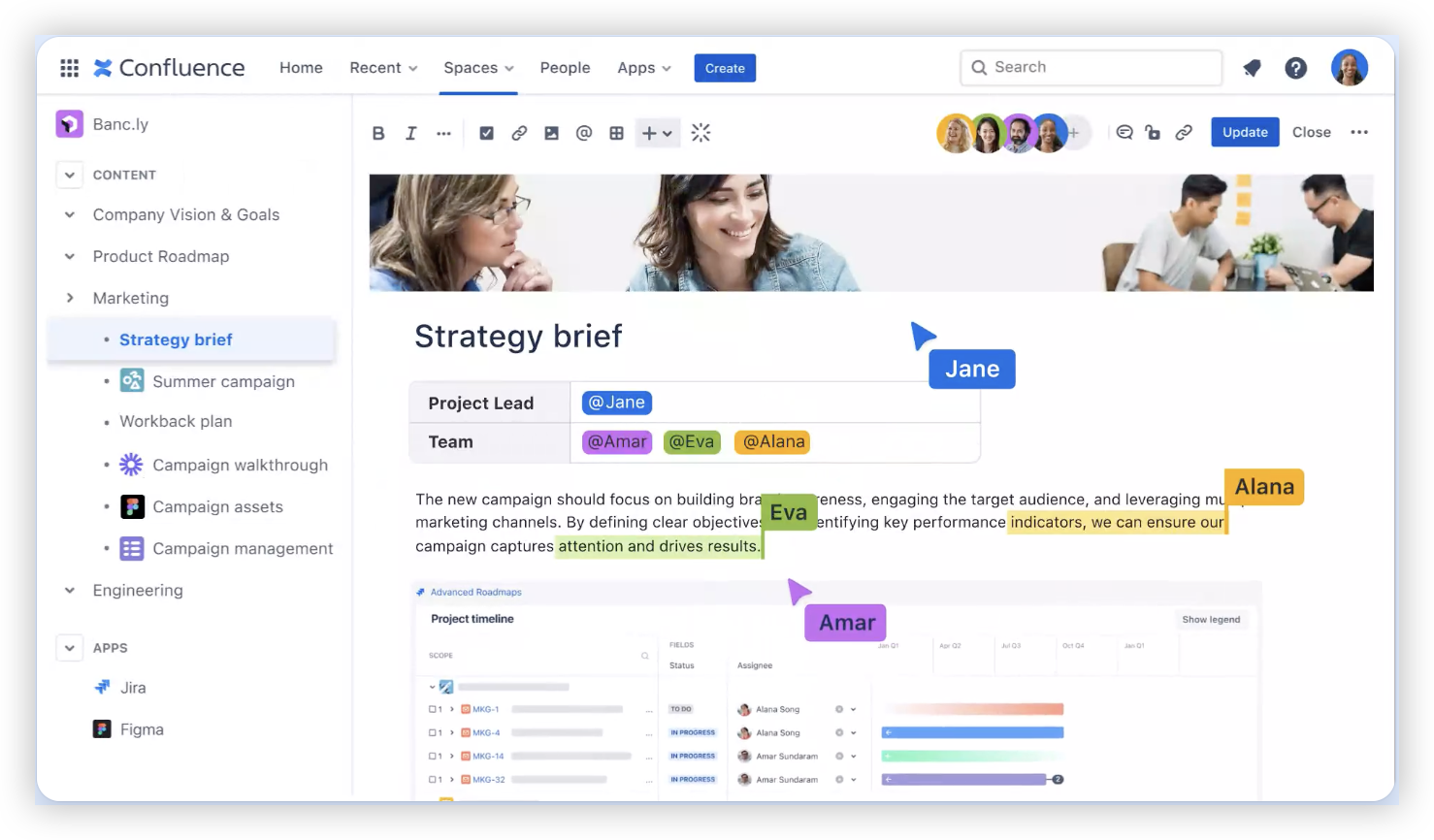
Jira Standard and Confluence are generally separate Atlassian subscriptions. If your team needs both issue tracking and knowledge management, calculate each product independently. Also include any connected apps, identity features, or service-management products in your technology budget.
Can I reduce the number of paid Jira seats?
You can review account access and remove people who no longer need Jira. The effect depends on your billing arrangement, seat tier, and renewal timing. Before reducing access, confirm whether contractors, occasional contributors, and service accounts still require project permissions.
When should a team choose Premium instead of Standard?
Premium may make sense when your organization needs advanced scale, broader operational capabilities, or stronger support for complex delivery programs. Compare those requirements with your actual workflow. A larger plan is useful when it solves a defined constraint, such as capacity, resilience, or program-level coordination.
Is ONES.com a Jira alternative?
Yes. ONES Project is positioned as a Jira alternative for project and issue management. ONES.com also includes ONES Wiki for knowledge management, with cloud, on-premise, private cloud, and air-gapped deployment options. Its free plan supports up to 30 seats, and the products are sold separately.
Conclusion
Jira Standard pricing is best understood as a planning exercise rather than a single number. Start with seats, compare monthly and annual billing, then add taxes, marketplace apps, connected products, and administration.
For a rough estimate, US$7.53 per seat per month provides a useful starting point. Confirm the live 2026 calculation before purchasing because pricing tiers and regional charges can change.
Remember the PAS problem: unclear pricing makes approval difficult, hidden extras create budget pressure, and a structured comparison gives you control. Whether you choose Jira Standard or evaluate a Jira alternative such as ONES Project, calculate the full operating cost before making the commitment.