Jira Stock Explained: Atlassian Shares, Ticker & Price Guide
Wondering if jira stock has its own ticker? Learn how Atlassian’s TEAM shares work and what affects the price. Click to discover.
There is no separate Jira stock ticker. Jira is software made by Atlassian, whose publicly traded shares trade on Nasdaq under the ticker TEAM.
That distinction matters if you’re trying to invest in the company behind Jira. Searching for “Jira stock” can lead you to confusing quotes or make it seem as if the product has its own shares.
But here's the truth: buying TEAM shares means investing in Atlassian, not buying ownership in Jira alone. The share price moves with market expectations, company performance, and wider economic conditions. Here’s how to identify the right ticker, understand what a quoted price means, and research Atlassian without mistaking a product for a publicly traded company.
What “Jira Stock” Means
Jira stock is a common search phrase for Atlassian shares, but Jira itself does not trade on a stock exchange. Atlassian Corporation is the publicly traded company behind Jira, and its Nasdaq ticker is TEAM.
Jira is one of Atlassian’s products. When you buy TEAM shares, you invest in Atlassian as a whole, rather than in Jira’s revenue or performance alone.
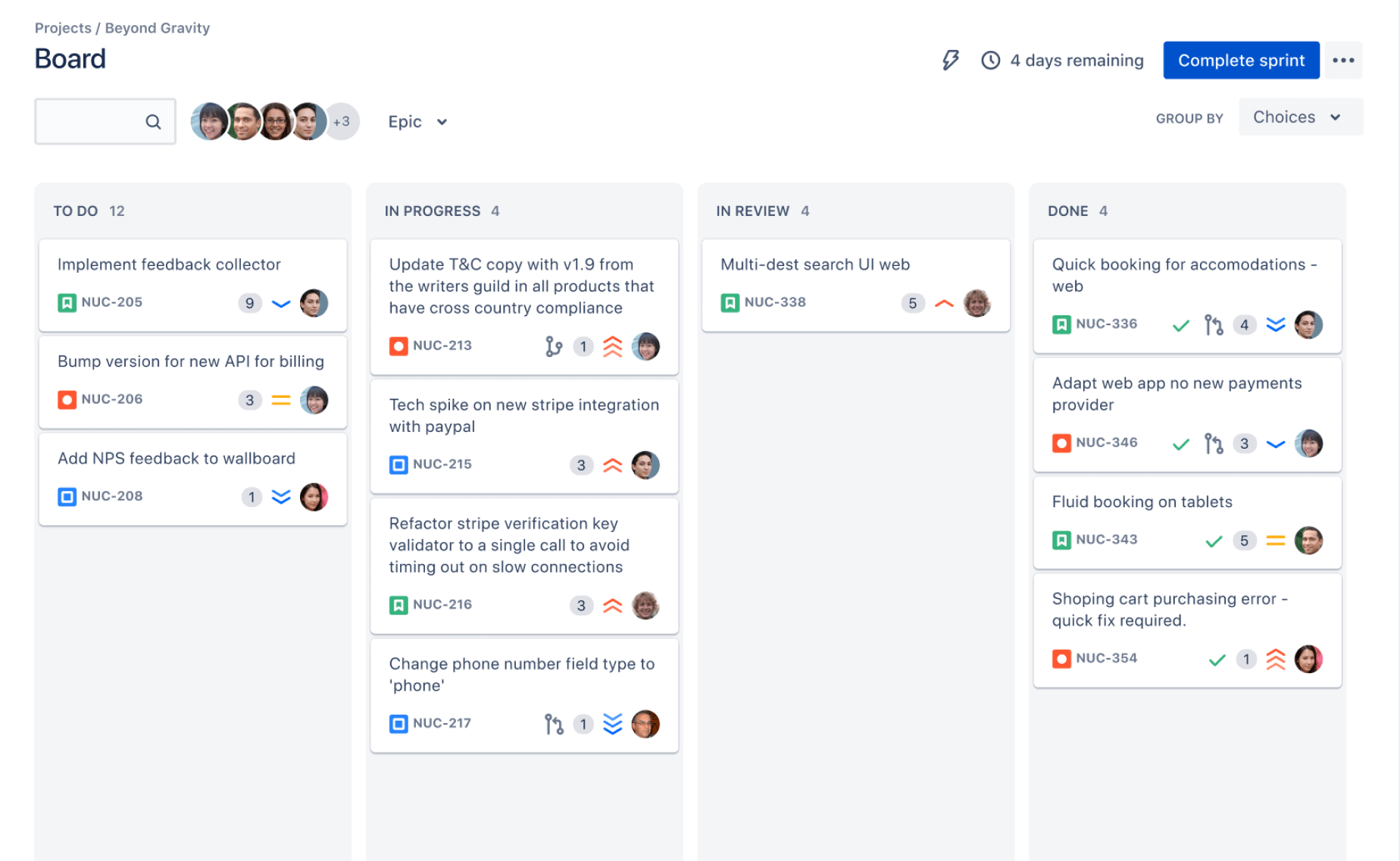
Jira, Atlassian, and TEAM: The Difference
- Jira: Atlassian’s project and issue management software.
- Atlassian: The company that develops Jira and other collaboration products.
- TEAM: Atlassian’s stock ticker on Nasdaq.
Think of it like buying shares in a car company rather than buying stock in one model of car. Jira may be a familiar product, but Atlassian shares reflect the wider business.
Find Atlassian’s Ticker and Share Listing
To look up Atlassian’s shares, search for TEAM on Nasdaq or in your brokerage account. Check that the listing identifies Atlassian Corporation before reviewing a quote or placing an order.
Here’s why: similar company names and search results can send you to unrelated securities. Confirming the company name and exchange helps you avoid confusing Atlassian with another business.
Quick Reference
| Item | Atlassian detail |
|---|
| Public company | Atlassian Corporation |
| Stock ticker | TEAM |
| Exchange | Nasdaq |
| Product people often mean | Jira |
A ticker identifies a company’s listed shares; it doesn’t tell you whether those shares are a good fit for your goals. You’ll need to consider price, business performance, risk, and your own circumstances.
How to Read Atlassian’s Share Price
A stock quote shows the price at which a share is trading at a particular time. It can change throughout the trading day, so a price you see now may differ from one shown later.
You might be wondering: what is the current price of TEAM? I can’t provide a reliable live quote here. Check a current market listing or your brokerage before making a decision.
Price Is Only One Part of the Picture
A share price alone doesn’t show whether a company is expensive or inexpensive. Investors often compare the price with measures such as earnings, revenue growth, and market value.
For example, two companies can have different share prices while having very different numbers of shares outstanding. Looking only at the price per share can therefore give you an incomplete view of their relative size.
Understand the Quote Details
- Share price: The current quoted price for one share.
- Daily change: How much the price has moved during the trading period.
- Market capitalization: The company’s market value, commonly calculated by multiplying share price by shares outstanding.
- Trading volume: The number of shares traded over a specified period.
Quotes may be delayed, and platforms can display different time frames or currencies. Check the timestamp and quote details before comparing prices.
What Can Affect Atlassian’s Stock?
TEAM shares can respond to Atlassian’s business results, investor expectations, and broader market movements. A strong product reputation may matter, but it doesn’t guarantee that the share price will rise.
Let me explain: investors look ahead. If they expect slower growth, even solid results may disappoint. If results exceed expectations, a share price may react positively, though market conditions still matter.
Business and Market Factors to Consider
- Revenue and customer growth: Investors may assess whether Atlassian is gaining customers and expanding business with existing customers.
- Profitability and costs: Changes in operating expenses or margins can affect expectations about financial performance.
- Product demand: Interest in Jira and Atlassian’s other products can shape expectations about future growth.
- Competition: Project management and collaboration software companies compete for customers and spending.
- Economic conditions: Businesses may adjust software budgets when economic confidence changes.
- Market sentiment: Interest rates and investor appetite for growth stocks can influence share prices beyond company-specific results.
Consider a simple example: a company reports higher sales, but also says customers are taking longer to sign contracts. Investors may weigh both details rather than focusing on sales alone.
A Practical Checklist for Researching TEAM
Before you decide whether Atlassian shares suit you, check the company identity, review recent performance, and compare the investment with your goals. A consistent process can help you avoid decisions driven by a single headline.
The best part? You don’t need to predict every short-term price move to ask useful questions about a company and its risks.
- Confirm the listing. Look for Atlassian Corporation and ticker TEAM on Nasdaq.
- Check the quote time. Make sure you know whether the price is current or delayed.
- Review recent financial results. Look at revenue, costs, profitability, and management’s outlook.
- Understand the business. Consider how Jira fits within Atlassian’s broader product offering.
- Compare valuation measures. Review several measures instead of relying on the share price alone.
- Assess the risks. Consider competition, market volatility, and the possibility that company results may differ from expectations.
- Check your own plan. Think about your time horizon, risk tolerance, and how one company fits into your portfolio.
For example, if you’re researching TEAM because your workplace uses Jira, separate your experience as a customer from your investment analysis. Product familiarity can help you understand the business, but it doesn’t replace financial research.
ONES.com brings project management and knowledge management together in one platform powered by ONES Assistant. ONES Project is a Jira alternative, while ONES Wiki is a Confluence alternative; the products are sold separately.
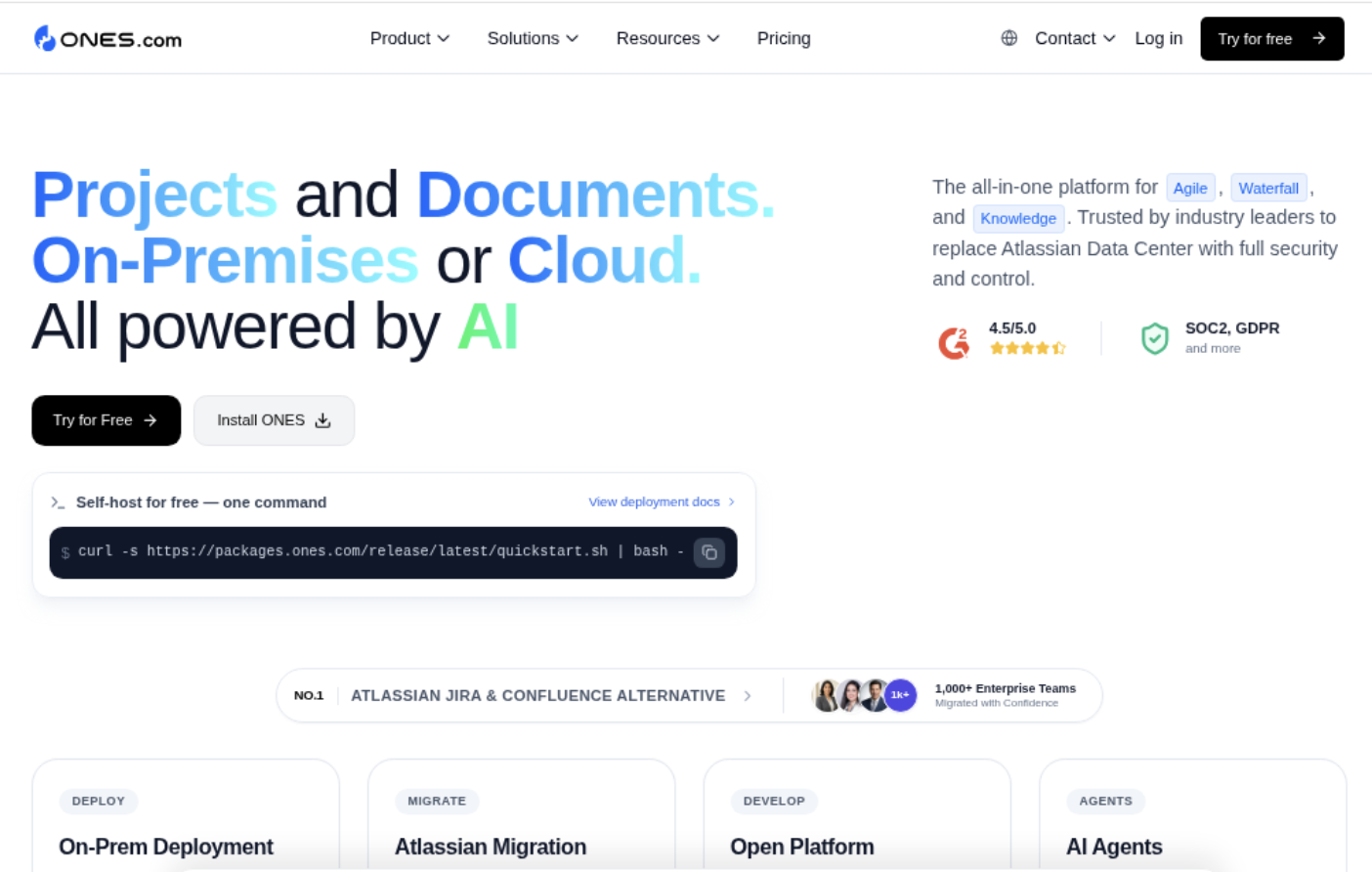
If you’re researching Atlassian because your team uses Jira, you may also be assessing the software itself. ONES.com offers a separate project management option, with cloud and self-hosted deployments and a free plan for up to 30 seats.
Core Capabilities
- Jira migration concerns → Jira-compatible workflows → Teams can adapt familiar workflow patterns while evaluating another platform.
- Too many add-ons → Built-in reporting → Project teams can review delivery progress without relying on as many separate plugins.
- Rigid processes → Custom workflows and fields → Teams can tailor work tracking to their processes and the details they need to capture.
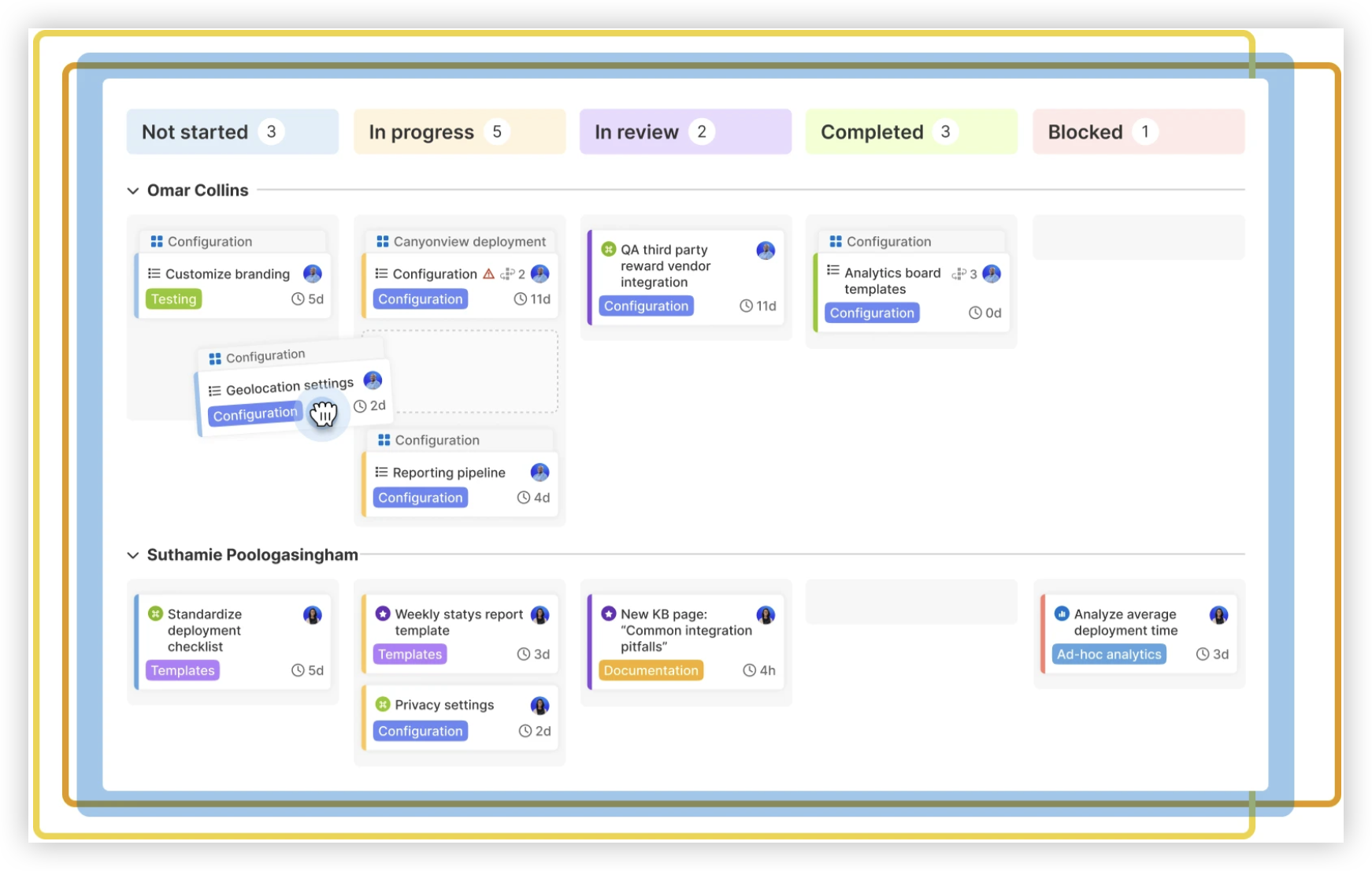
- Unclear sprint progress → Sprint management → Agile teams can plan and follow sprint work in their project workspace.
- Manual repetitive tasks → Automation → Teams can reduce routine updates and keep recurring processes moving.
- Separate project and knowledge spaces → ONES Project and ONES Wiki → Teams can choose project management, knowledge management, or both, according to their needs.
- Deployment restrictions → Cloud, On-Premise, Private Cloud, and Air-gapped options → Organizations can choose a deployment approach that fits their environment.
- Self-hosting feature concerns → Full feature parity between cloud and self-hosted versions → Teams can assess deployment based on operational needs rather than expecting a reduced feature set.
Application Scenarios
A growing software team may need sprint planning, custom issue workflows, and built-in reporting. It can evaluate ONES Project as a Jira alternative and decide whether a cloud or self-hosted deployment fits its operations.
An organization with restricted network requirements may need project tracking and internal knowledge management in a controlled environment. It can assess ONES.com’s Air-gapped deployment and choose ONES Project, ONES Wiki, or both.
ONES.com is a software option, not a way to buy shares in Atlassian or Jira. If your question is about investing, TEAM is the ticker to research; if it’s about managing work, compare platforms against your team’s requirements.
Common Challenges When Looking Up Jira Stock
Confusing Jira with a Public Company
Problem: Search results may use “Jira stock” as shorthand, making it sound like Jira has its own listing.
What to do: Search for Atlassian Corporation and confirm ticker TEAM. Remember that the shares represent the company, not an individual product.
Relying on an Old Price
Problem: A quote in an old article or saved note may not reflect the current market price.
What to do: Check a current quote, confirm its timestamp, and review the exchange listing before acting.
Judging a Stock by Its Per-Share Price
Problem: A low or high share price by itself doesn’t tell you whether a company is attractively valued.
What to do: Consider measures such as market capitalization, revenue, earnings, and business prospects alongside the quote.
Assuming Familiar Software Makes a Stock Low Risk
Problem: Using Jira at work may make Atlassian feel familiar, but that doesn’t remove investment risks.
What to do: Assess the company’s results, competition, valuation, and your own tolerance for potential losses.
Frequently Asked Questions About Atlassian Shares
Does Jira have its own stock ticker?
No. Jira is a product developed by Atlassian, rather than a separately listed company. Atlassian Corporation trades on Nasdaq under the ticker TEAM. If you search for “Jira stock,” you’re most likely looking for Atlassian shares. Those shares reflect the broader company, so their performance isn’t tied to Jira alone.
What is Atlassian’s stock symbol?
Atlassian Corporation’s ticker symbol is TEAM, and its shares trade on Nasdaq. When checking a quote, confirm both the company name and exchange. That helps distinguish Atlassian from unrelated companies or products that may appear in similar searches. A ticker identifies the listed shares; it doesn’t indicate whether they match your investment goals.
What is the current price of TEAM?
TEAM’s share price changes as the market trades, and I can’t provide a dependable live quote in this guide. Check a current market listing or your brokerage for the latest price, and note whether the quote is delayed. Before making an investment decision, consider more than the price per share, including valuation, company performance, and risk.
Can I invest in Jira without buying Atlassian shares?
Jira doesn’t have a separate public stock listing, so there isn’t a standalone Jira ticker to buy. Atlassian shares are the publicly traded investment associated with the company behind Jira, but they represent Atlassian’s overall business. If you’re interested in the software rather than an investment, you can evaluate Jira and competing project management platforms for your team.
Conclusion: Know What TEAM Represents
“Jira stock” usually means Atlassian shares, traded on Nasdaq as TEAM. Jira itself isn’t separately listed, and Atlassian’s share price changes over time.
That clears up the search, but it doesn’t answer whether the stock suits you. Check a current quote, review Atlassian’s wider business and risks, and consider your own goals before making an investment decision.
If you came here because Jira is part of your team’s workflow, keep the two questions separate: TEAM is the ticker to research for Atlassian shares, while software alternatives such as ONES Project are worth assessing for project management needs.