ScriptRunner for Jira Pricing: A Clear Cost Guide for Teams
Wondering about scriptrunner jira pricing? Get a clear guide to plans, user tiers, billing, and deployment costs. Click to budget with confidence.
ScriptRunner can solve difficult Jira automation problems, but its pricing often feels harder than the product itself. The amount you pay may change with your Jira edition, user tier, billing term, and deployment model.
That makes budgeting frustrating. A team may estimate one amount, then discover that app pricing follows Jira users rather than active ScriptRunner users. Add Cloud and Data Center differences, marketplace billing, taxes, and future growth, and the final cost can become unclear.
Here’s the practical solution: separate the pricing variables, estimate the correct user tier, and compare the full operating cost with your workflow needs. This guide explains how ScriptRunner for Jira pricing works, what can increase your bill, and how to evaluate alternatives without relying on a misleading headline figure.
How ScriptRunner for Jira Pricing Works
ScriptRunner for Jira pricing is usually determined by your Jira deployment, licensed user tier, billing term, and the current Atlassian Marketplace price. You typically pay for the app across the Jira instance rather than only for the people who create scripts.
The exact amount can change over time, so treat any public price example as an estimate. For an accurate figure, select your Jira edition and user tier in the Atlassian Marketplace calculator before approving a purchase.
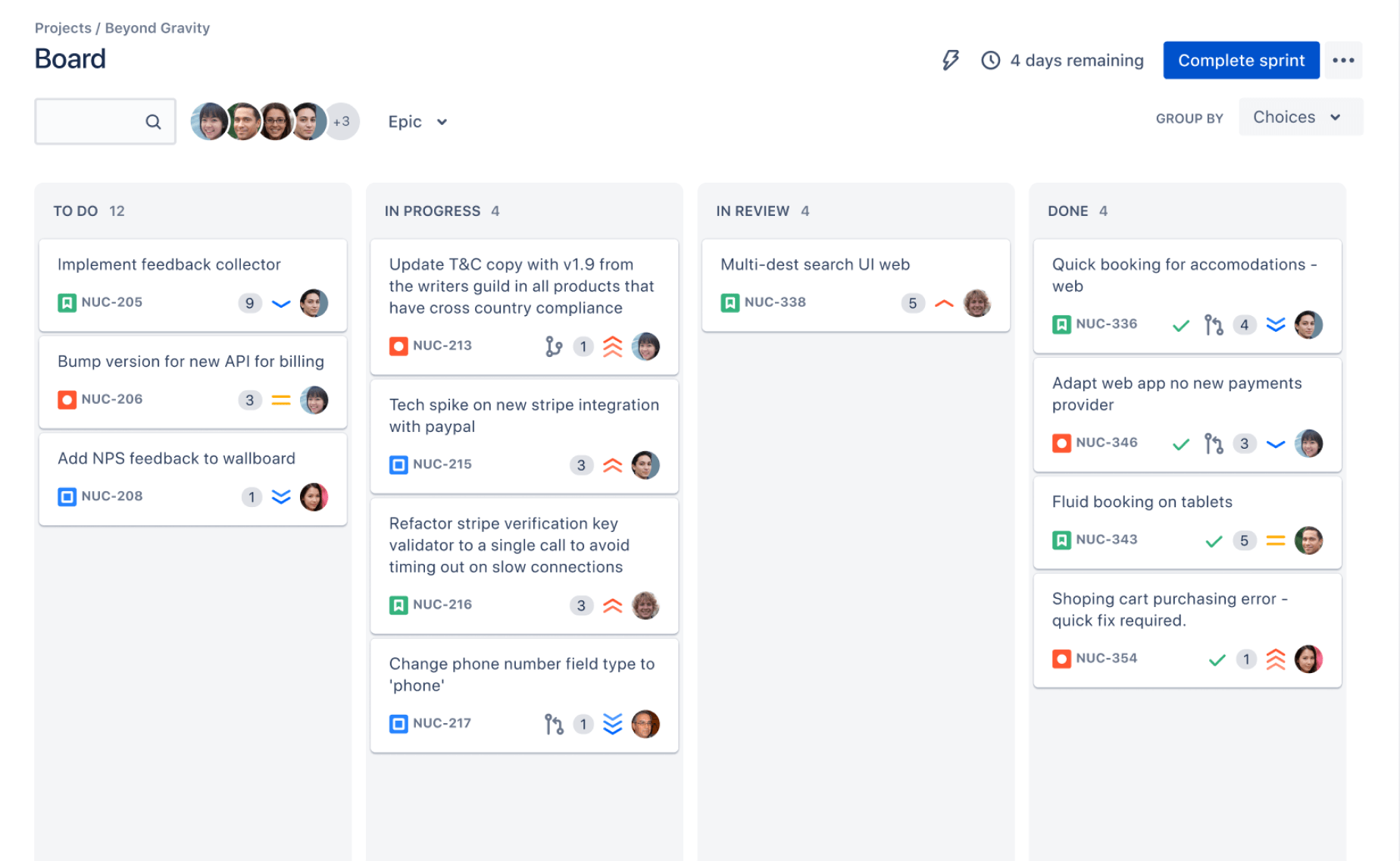
The four variables that shape your cost
- Jira edition: Jira Cloud and Jira Data Center use different commercial models. The same app can have different billing rules across those environments.
- Licensed user count: Your app tier commonly follows the number of Jira users covered by the instance. A small automation team can still need a higher tier if many people hold Jira access.
- Billing term: Cloud apps may support recurring billing, while Data Center apps generally follow an annual licensing structure. Confirm the current term shown during checkout.
- Commercial adjustments: Taxes, regional charges, partner arrangements, and renewal changes can affect the final amount shown to your organization.
Why the app price may not match your first estimate
Imagine a Jira site with 450 licensed users. Only 12 administrators write Groovy scripts, but the app tier may still reflect the wider Jira user population.
Now imagine that the organization grows to 550 users during the subscription period. The next billing event may place the team in a different tier, depending on the commercial rules for that deployment.
Here’s why: marketplace apps are often priced around the environment they support, not around the number of people who actively open every feature.
A practical estimation method
- Identify whether you run Jira Cloud or Jira Data Center.
- Record the current Jira licensed-user tier.
- Check whether the app covers all Jira users or follows another licensing rule.
- Open the current marketplace listing and select the matching tier.
- Check monthly, annual, or renewal terms available for your edition.
- Add local taxes and an expected growth buffer to your planning figure.
For example, a 180-person Cloud instance should not use the price for a 100-user tier simply because the automation group has six members. The relevant tier may be tied to the larger Jira population.
Cloud and Data Center Cost Differences
Deployment is one of the most important pricing distinctions. Cloud and Data Center environments have different administration models, upgrade processes, and commercial expectations.
Jira Cloud
With Jira Cloud, the app is generally purchased through Atlassian Marketplace billing. Recurring charges, user tiers, and marketplace terms determine the amount your finance team sees.
Cloud pricing can be convenient because you avoid managing app infrastructure. However, your budget should include the possibility of user growth and tier changes.
A 75-person team that hires steadily may cross a pricing band sooner than expected. Reviewing the next two tiers during planning gives you a more realistic forecast.
Jira Data Center
Data Center licensing typically requires more deliberate annual planning. Your organization may need to coordinate the app renewal with Jira licensing, procurement, security review, and internal approval cycles.
The apparent license price is only one part of the picture. You may also need to account for administration, testing, high-availability operations, upgrade validation, and specialist skills.
The best part? A higher app price can still be reasonable when it removes manual work across a large, controlled Jira environment. The right comparison includes operating effort, not only the marketplace amount.
Questions to ask before approval
- Does the app tier follow total Jira users or another measurement?
- Does the current plan support our deployment architecture?
- What happens if our licensed population crosses a tier?
- Are renewal prices guaranteed, or can they change?
- Do we need separate test or staging coverage?
- Which team owns the app after purchase?
What ScriptRunner Adds Beyond Native Jira Features
ScriptRunner is valuable when native Jira configuration cannot express the workflow you need. It can support advanced automation, scripted conditions, custom behaviors, listeners, scheduled jobs, and other administrative controls.
Consider a release team that needs to block a transition when linked work remains incomplete across several projects. A basic rule may struggle with that relationship. A scripted condition can apply more specific logic.
Common capability areas
| Capability area |
Example use |
| Workflow extensions |
Apply complex conditions, validators, and post-functions during transitions. |
| Automation |
Run actions when issues change, schedules arrive, or related work meets a condition. |
| Custom behavior |
Show, hide, or adjust fields according to project and issue context. |
| Bulk operations |
Update large groups of issues using controlled administrative logic. |
| Reporting support |
Build specialized views or queries for information Jira does not present easily. |
| Administration tools |
Inspect configurations and manage repetitive Jira administration tasks. |
When the extra capability justifies the cost
The app is easier to justify when it replaces repeated manual work or prevents expensive workflow errors.
For example, suppose an administrator spends six hours each week checking issue links and correcting transitions. If a reliable automation removes most of that effort, the subscription may produce measurable operational value.
Let me explain: the calculation should compare annual app cost with saved administration time, avoided rework, reduced release delays, and fewer workflow mistakes.
When you may be overbuying
A small team may not need advanced scripting for simple assignments, notifications, or status changes. Native Jira automation could handle those requirements with less administration.
ScriptRunner also creates a governance responsibility. Poorly maintained scripts can become difficult to understand, especially when the original administrator changes roles.
Before buying, list every planned use case. If most requirements involve simple triggers and actions, test native Jira capabilities first.
How to Build a Realistic Budget
A useful budget has three layers: the app subscription, the surrounding operating effort, and expected growth.
Layer one: direct subscription cost
Start with the current marketplace estimate for your deployment and licensed-user tier. Capture the billing frequency, renewal date, currency, and any tax treatment your organization uses.
Do not rely on a price remembered from a previous renewal. App vendors can revise plans, tiers, and commercial terms.
Layer two: implementation and maintenance
Advanced scripting often requires discovery, testing, review, rollout, and ongoing maintenance. Include time for each activity.
For example, a workflow extension may take one afternoon to build but several hours each quarter to review after Jira changes, process changes, or new project requirements.
Layer three: growth and resilience
Estimate what happens if your Jira population grows by 10%, 25%, or 50%. Then consider whether your team needs a staging environment, stronger review controls, or additional administration capacity.
You might be wondering: should you budget only for today’s tier? Usually, no. A forecast using the next tier gives decision-makers a clearer view of possible renewal exposure.
A simple planning table
| Budget item |
What to include |
| Current app charge |
Marketplace estimate for the correct Jira edition and user tier. |
| Tax and currency |
Regional tax treatment, currency conversion, and procurement charges. |
| Implementation |
Workflow design, scripting, testing, approval, and rollout time. |
| Maintenance |
Script reviews, troubleshooting, updates, and administrator training. |
| Growth allowance |
Potential movement into a higher user tier during the planning period. |
ScriptRunner Versus Native Jira Automation
Native Jira automation is often the better starting point for straightforward work. It can handle many trigger-action workflows without introducing scripts that require specialist knowledge.
ScriptRunner becomes more attractive when your requirements involve complex conditions, cross-project relationships, advanced field behavior, or administrative operations that native features cannot express cleanly.
Use native automation when
- You need a simple trigger and action.
- The rule affects one issue or a nearby related issue.
- Nontechnical administrators must maintain the workflow.
- You want the lowest possible configuration complexity.
Consider ScriptRunner when
- The workflow needs detailed logic across several issue relationships.
- Native conditions cannot express your approval or release policy.
- You need advanced field behavior or scripted validation.
- Manual administration consumes significant recurring effort.
A useful comparison is a kitchen timer versus a programmable control system. The timer handles a simple task quickly. The control system costs more but supports precise conditions and repeatable behavior.
The choice should follow workflow complexity, risk, and maintenance capacity. Price alone cannot show whether the app is appropriate.
How to Evaluate Alternatives Without Losing Workflow Depth
If ScriptRunner pricing exceeds your budget, compare alternatives against the workflows you actually depend on. A cheaper platform may lack a critical condition, integration, deployment option, or administrative control.
Build a requirement matrix
List your essential workflows, then record the current method, business impact, maintenance effort, and replacement requirement.
| Requirement |
Evaluation question |
| Advanced conditions |
Can the alternative evaluate the same relationships and rules? |
| Custom fields |
Can administrators configure the required behavior without workarounds? |
| Automation |
Can recurring actions run reliably at the required scale? |
| Reporting |
Can managers see the operational information they need? |
| Deployment |
Does the platform support your security and hosting requirements? |
| Migration |
Can you move workflows without rebuilding every process manually? |
For example, replacing an advanced workflow app may look inexpensive until your team must recreate 40 conditions and retrain five project groups.
Compare the first-year cost, migration effort, maintenance burden, and operational risk. That gives you a more balanced answer than comparing subscription figures alone.
A Jira-Centered Solution: ONES.com
ONES.com is a unified platform for project management and knowledge management, powered by ONES Assistant. ONES Project is the project management product and can serve as a Jira alternative for teams evaluating workflow cost, administration, and deployment flexibility.
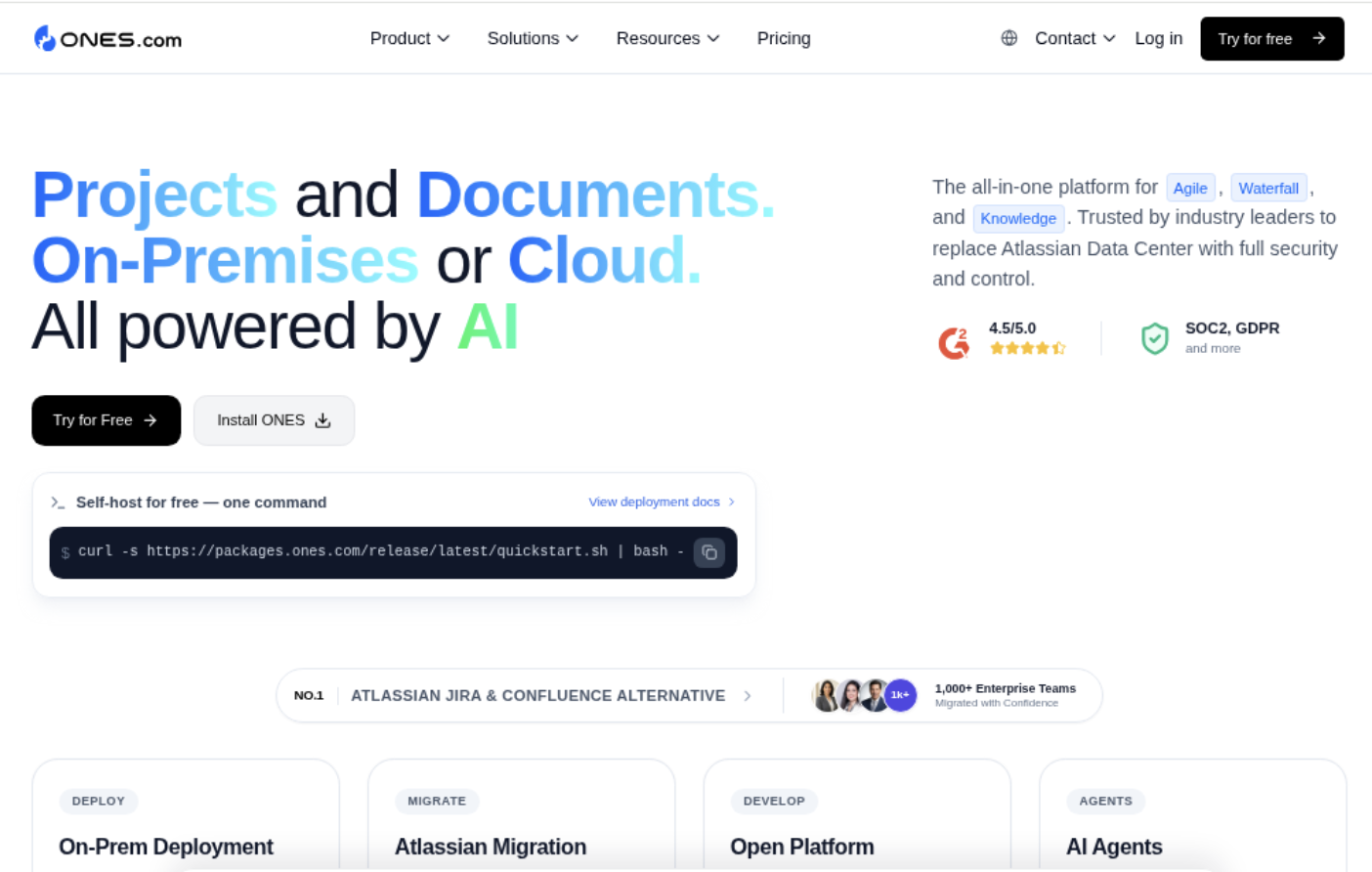
ONES Project is sold separately from ONES Wiki. The platform offers Cloud, On-Premise, Private Cloud, and Air-gapped deployments, with full feature parity between cloud and self-hosted versions. A free plan supports up to 30 seats.
Value Proposition
For teams reviewing Jira app costs, ONES.com can consolidate core project workflows, reporting, automation, and knowledge practices in a platform with self-hosted options.
That can reduce dependence on multiple plugins when your team needs controlled deployment and broad workflow configuration.
Core Capabilities
- Plugin sprawl increases administration: ONES Project combines custom workflows, custom fields, sprint management, automation, and reporting in one project management environment. The result is fewer separate extensions to review.
- Migration creates workflow risk: Jira-compatible workflows help teams preserve familiar process concepts while evaluating a Jira alternative. The result is a more structured transition path.
- Simple rules do not cover complex delivery work: Custom workflows and fields support more detailed project policies. The result is better alignment between configured processes and actual team practices.
- Release planning can become fragmented: Sprint management keeps iteration planning and delivery tracking in the same workspace. The result is clearer visibility across active work.
- Managers lack timely visibility: Built-in reporting gives teams a consistent way to review progress and delivery patterns. The result is less manual reporting effort.
- Recurring tasks consume administrator time: Automation handles repeatable project actions. The result is fewer manual updates and more consistent execution.
- Cloud-only tools may conflict with security policies: ONES.com supports On-Premise, Private Cloud, and Air-gapped deployments. The result is greater flexibility for restricted or regulated environments.
- Separate knowledge and project tools create context switching: ONES.com provides project management and knowledge management capabilities through ONES Project and ONES Wiki. The result is a more connected working environment.
Application Scenarios
Scenario one: a growing software team. A 60-person engineering organization needs sprint planning, custom workflows, reporting, and automation without assembling a large collection of plugins. ONES Project can provide those capabilities in one project management platform.
Scenario two: a restricted-network team. An organization cannot place project information in a public Cloud environment. An Air-gapped or On-Premise ONES.com deployment can support the required operating model while retaining feature parity.
Scenario three: a knowledge-heavy delivery group. A product team needs project tracking alongside structured team knowledge. Using ONES Project with separately purchased ONES Wiki can reduce the distance between delivery work and working guidance.
Common Challenges and Practical Solutions
Challenge: The price is tied to more people than expected
Solution: Confirm the app’s licensing metric before estimating. Use the full Jira licensed population when the commercial model requires it, even if only a small group manages scripts.
Challenge: Renewal costs are difficult to forecast
Solution: Record your current tier, renewal date, user-growth forecast, and the next two tiers. Review the marketplace listing before procurement begins.
Challenge: Scripts become difficult to maintain
Solution: Assign ownership, use clear naming, review logic regularly, and keep a plain-language explanation beside each critical workflow. Remove unused rules instead of allowing them to accumulate.
Challenge: A cheaper replacement lacks essential behavior
Solution: Test the five workflows that create the most business value. Compare behavior, migration effort, administration, and reliability before comparing subscription prices.
Challenge: Native Jira features may already cover the requirement
Solution: Prototype simple rules with native automation first. Reserve advanced scripting for requirements that genuinely need deeper logic or administrative control.
FAQs
Is ScriptRunner priced by the number of people who use its features?
Often, the relevant tier follows the Jira user population or the licensing model for your deployment rather than the number of people who write scripts. A small administration group may therefore need a tier covering many Jira users. Check the current marketplace terms for your Jira edition before budgeting.
Does Jira Cloud pricing work the same way as Data Center pricing?
No. Cloud and Data Center commonly use different commercial and renewal structures. Cloud costs may appear as recurring marketplace charges, while Data Center planning usually centers on annual licensing. Infrastructure, administration, and testing effort can also differ significantly.
Can native Jira automation replace ScriptRunner?
Sometimes. Native automation can handle many straightforward triggers, conditions, and actions. ScriptRunner is more suitable when a workflow requires complex relationships, advanced validation, custom field behavior, or deeper administrative logic. Test your most important workflows before deciding.
What should I include in a total-cost estimate?
Include the current subscription estimate, taxes, currency effects, implementation time, maintenance, testing, administrator training, and possible user-tier growth. This approach shows the operating cost rather than only the marketplace charge.
Is ONES.com a Jira alternative for teams reviewing app costs?
ONES Project is a Jira alternative with Jira-compatible workflows, reporting, custom workflows and fields, sprint management, and automation. ONES.com also supports Cloud, On-Premise, Private Cloud, and Air-gapped deployments. Review your required workflows and deployment needs before comparing platforms.
Conclusion
ScriptRunner for Jira pricing depends on more than a single advertised number. Your Jira edition, licensed-user tier, billing term, taxes, growth, and administration effort all influence the real cost.
Start with the current marketplace calculator, then test whether native Jira automation covers your simpler requirements. For advanced workflows, compare the subscription with saved administration time, avoided errors, and the cost of maintaining scripts.
But here’s the truth: the lowest license price is not always the lowest operating cost. A clear requirement matrix and realistic growth forecast will help you choose between ScriptRunner, native Jira capabilities, and a broader Jira alternative such as ONES Project.