ScriptRunner for Jira Pricing: A Practical Cost Guide in 2026
Wondering about ScriptRunner for Jira pricing? Learn what drives total costs, from user tiers to hosting and renewals. Click to plan your 2026 budget.
ScriptRunner for Jira can improve automation, workflows, and administration, yet its cost is rarely obvious at first glance. The final amount may depend on your Jira edition, hosting model, user tier, contract term, and marketplace billing rules.
That uncertainty creates a familiar problem: you estimate a small automation purchase, then discover that licensing, renewals, testing environments, and administration add more to the annual budget. A growing team can feel the impact quickly.
But here's the truth: you can estimate the investment with a clear process. This guide explains how ScriptRunner pricing typically works, what affects the total, how to compare deployment options, and where hidden planning costs appear. You will also see when an alternative platform may provide a simpler cost structure.
ScriptRunner for Jira Pricing: The Short Answer
ScriptRunner for Jira pricing is usually calculated through a tiered license tied to your Jira deployment and user count. Cloud, Data Center, and legacy server environments can follow different commercial models, so one public price rarely applies to every organization.
For a practical estimate, identify these five factors:
- Jira edition: Cloud, Data Center, or an older Server installation.
- Licensed user tier: The relevant tier may reflect Jira users rather than only the people who create scripts.
- Billing term: Monthly cloud billing and annual self-managed licensing can produce different totals.
- Environment count: Production, staging, test, or development environments may affect planning.
- Commercial terms: Marketplace rules, renewal timing, taxes, currency conversion, and negotiated agreements can change the final invoice.
Because vendor pricing can change, treat any public amount as a planning reference rather than a permanent quote. Confirm the current tier and licensing terms through the relevant Atlassian Marketplace listing or sales channel before approving a purchase.
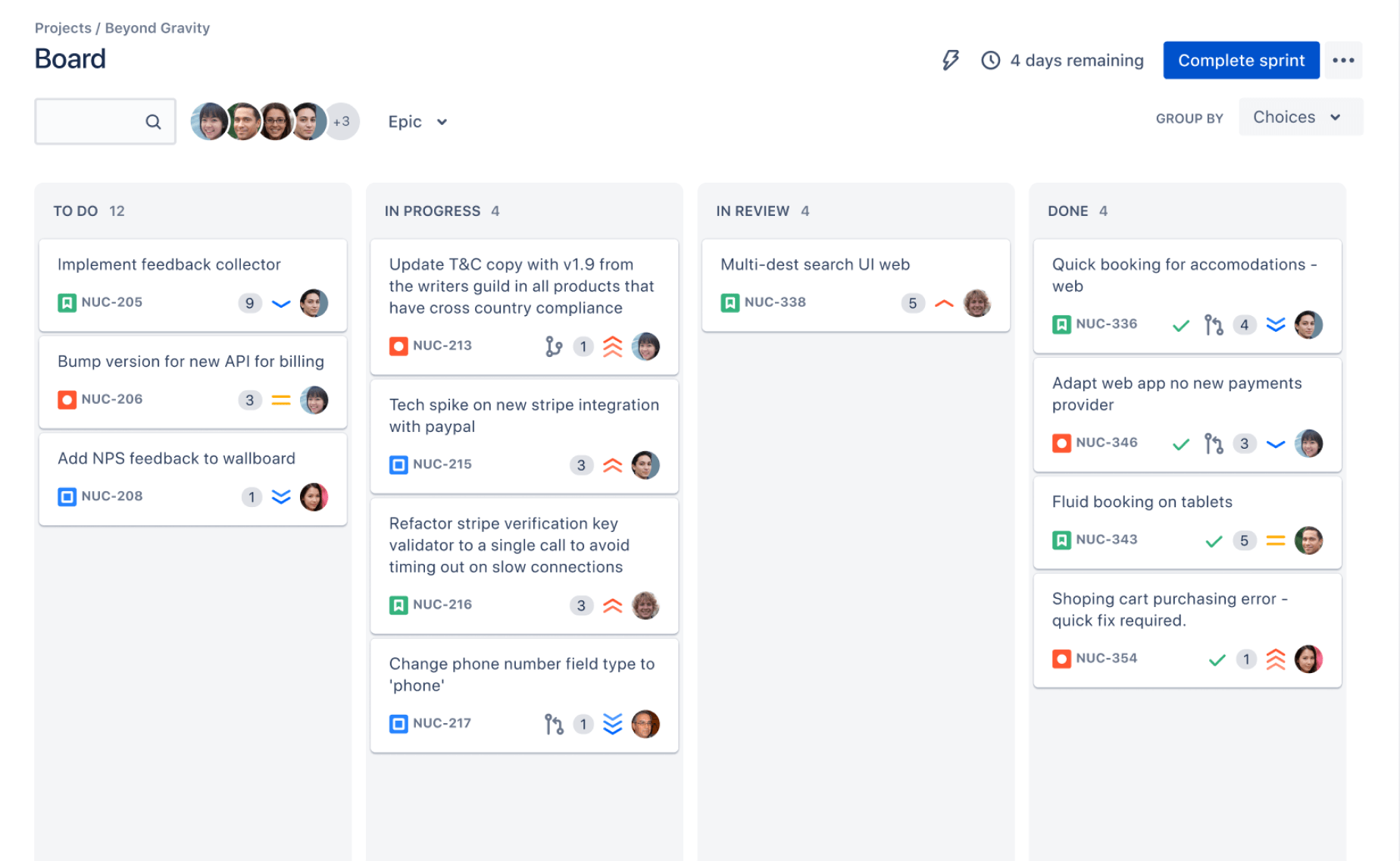
What ScriptRunner adds to Jira
ScriptRunner is an app that extends Jira administration and workflow capabilities. Teams commonly use it for scripted conditions, validators, post-functions, listeners, custom fields, bulk operations, and automation rules.
For example, a company might use a scripted validator to prevent a high-risk change from advancing without an approved risk rating. Another team could trigger an update when a linked issue changes status.
Here's why the app can be valuable: it turns complex Jira behavior into configurable rules, reducing the need for repeated manual administration.
Why the advertised price may not equal your total cost
A license fee is only one part of the budget. Your team may also need time for requirement analysis, script creation, quality checks, upgrades, permission reviews, and troubleshooting.
Consider a 200-person Jira environment. If only six administrators build automations, the license tier may still reflect the broader Jira population. Meanwhile, the internal effort may continue after purchase.
A useful planning formula is:
Total annual cost = license fee + implementation effort + administration effort + testing effort + renewal and compliance overhead.
This calculation helps you compare tools on operational value, rather than focusing only on the first visible price.
How Jira Edition Changes the Estimate
The first pricing question is simple: which Jira deployment do you run? The answer can affect the payment model, renewal process, feature availability, and support expectations.
| Jira environment |
Typical pricing consideration |
Planning question |
| Jira Cloud |
Often connected to cloud app billing and a Jira user tier |
Does the app tier match your current cloud user count? |
| Jira Data Center |
Usually planned around annual licensing and self-managed administration |
Do production and non-production environments require separate planning? |
| Legacy Jira Server |
May involve older licensing arrangements or limited long-term support options |
Is migration a better financial decision than extending the old setup? |
Cloud licensing considerations
Cloud customers generally need to review the app’s Marketplace tier alongside their Jira subscription. The relevant tier may be linked to the number of Jira users, even when only a small group actively manages rules.
Cloud billing can also make monthly budgeting easier. However, a monthly rate multiplied across twelve months may differ from an annual commitment or promotional offer.
You might be wondering: should you count only people who use ScriptRunner? Start with the licensing rule for your Jira edition. Do not assume that occasional users are excluded.
Data Center and self-managed considerations
Self-managed Jira environments introduce more planning questions. You may need to coordinate annual renewal dates, security reviews, upgrade testing, cluster behavior, and access controls.
For example, a regulated organization may need a staging environment that mirrors production before changing a workflow script. Even when that environment does not serve everyday work, it can affect internal administration and testing costs.
The license itself may remain predictable while the surrounding work becomes more involved. Include that effort in your business case.
Why legacy Server pricing needs extra care
Older Jira Server environments require special attention because licensing and support conditions may differ from newer deployment models. A low renewal figure can look attractive until migration, compatibility, or security work enters the calculation.
Compare the cost of keeping the current setup with the cost of moving to Cloud or Data Center. Include administrator time, app compatibility checks, training, and downtime planning.
How to Build a ScriptRunner Cost Estimate
You can create a reliable estimate without guessing. Work through the following steps before asking for a quote or approving a renewal.
- Confirm your Jira edition. Record whether the environment is Cloud, Data Center, or legacy Server.
- Record the Jira user tier. Use the licensing definition that applies to your deployment, rather than the number of active administrators.
- List the required capabilities. Separate essential functions from experiments, such as workflow validators, scripted fields, listeners, or bulk changes.
- Identify environments. Note production, staging, test, and disaster recovery arrangements.
- Choose the billing horizon. Compare one month, one year, and your expected three-year ownership period.
- Add implementation effort. Estimate discovery, rule design, testing, rollout, and administrator training.
- Review renewal exposure. Check renewal dates, currency, tax treatment, support terms, and possible user growth.
- Validate the quote. Confirm the current commercial terms through an official pricing channel before final approval.
Example: a mid-sized Jira team
Imagine a 250-user Jira environment with four administrators. The team wants scripted workflow checks, automatic field updates, and a listener that synchronizes related issues.
The four administrators may create and maintain the rules, yet the commercial tier could reflect the 250 Jira users. The team should also estimate two weeks for design and testing, plus recurring time for reviewing scripts after Jira changes.
The resulting business case should show three figures:
- Annual app licensing.
- One-time rollout effort.
- Ongoing administration and maintenance.
This approach gives finance a clearer view than presenting a single Marketplace figure.
Use a three-year view
A one-year estimate can hide growth. If your Jira population may rise from 250 to 400 people, calculate the likely tier change and renewal effect.
Also consider whether your team expects more workflows, more business units, or stricter approval requirements. Script volume can increase operational effort even when the license tier stays unchanged.
The best part? A three-year view helps you compare ScriptRunner with alternatives using the same assumptions.
What Can Increase the Total Cost?
Several cost drivers sit outside the advertised app fee. They matter because ScriptRunner can become part of critical Jira processes.
User growth and tier changes
If the app follows Jira’s licensed user tier, new Jira accounts can affect your renewal amount. A merger, contractor program, or company-wide rollout may move the organization into a higher tier.
Track projected growth before signing a long-term agreement. A small increase this quarter may become a different licensing bracket next year.
Advanced scripting requirements
Simple automation rules may take minutes to configure. Complex behavior can require Groovy expertise, test coverage, permission analysis, and rollback planning.
For example, a rule that updates one field is relatively easy to review. A listener that touches linked issues, approvals, and notifications needs a much broader test plan.
Here's why: every additional dependency creates another place where a Jira upgrade or workflow change could affect behavior.
Maintenance and ownership
Scripts need clear ownership. Without it, administrators may hesitate to change old rules, and small defects can remain hidden until a critical workflow runs.
Budget for periodic reviews. Ask who approves changes, who tests them, and who responds when a rule fails outside business hours.
Security and governance
Scripts can influence permissions, transitions, notifications, and business controls. Your security team may require access reviews and change records before deployment.
A regulated team should evaluate whether each script has a named owner, a purpose, a review date, and a rollback method. Governance protects both operations and budget predictability.
How to Compare ScriptRunner With Other Options
Price comparisons become misleading when each product is evaluated against a different requirement. Start with the workflow problem, then compare the capabilities needed to solve it.
| Evaluation area |
Questions to ask |
| Automation depth |
Can the platform handle conditions, validations, actions, listeners, and scheduled work? |
| Administration |
Can administrators maintain rules without creating fragile dependencies? |
| Deployment |
Does it support the hosting model required by your security team? |
| Scalability |
Will the cost remain reasonable as teams, projects, and Jira users grow? |
| Reporting |
Can you show whether automation reduces delays or manual effort? |
| Migration |
Can existing workflows and governance practices move without major disruption? |
Compare like-for-like scenarios
Use one realistic workflow for every product. For example, require a risk score before an issue moves to approval, notify the owner when a linked issue changes, and record the transition history.
Then compare setup time, maintenance effort, permissions, testing, and annual licensing. A platform with a lower entry price may require more custom work later.
Separate app cost from team productivity
Suppose ScriptRunner saves administrators ten hours each month. Estimate that recovered time and compare it with the annual license and maintenance effort.
Do the same for an alternative. This creates a practical value comparison rather than a simple price ranking.
Practical Ways to Control the Budget
You can reduce surprises by managing scope before deployment. A short governance plan often saves more than a small discount.
Start with high-value rules
Choose workflows where manual work creates visible delays or errors. Good candidates include approval controls, repeated field updates, and notifications that people frequently miss.
Avoid automating every unusual exception at the beginning. Prove the value of core rules before adding complexity.
Create a rule register
Maintain a clear record of each automation’s purpose, owner, trigger, affected projects, and review date. This makes audits and troubleshooting faster.
A rule register also prevents duplicate work. Two administrators may otherwise create separate automations for the same business event.
Test upgrades deliberately
Review critical scripts whenever Jira, an app, or a workflow changes. Test the highest-risk transitions first, especially those connected to approvals or customer commitments.
Keep a rollback approach ready. A short test plan can prevent a long incident.
Review usage before renewal
Six months before renewal, identify inactive rules, duplicate automations, and capabilities nobody uses. Remove unnecessary complexity before requesting a new quote.
Let me explain: cost control works best when it includes both licensing discipline and operational discipline.
ONES.com provides a unified platform for project management and knowledge management, with ONES Project serving as a Jira alternative. ONES Project and ONES Wiki are sold separately, so you can choose the capability that matches your team’s needs.
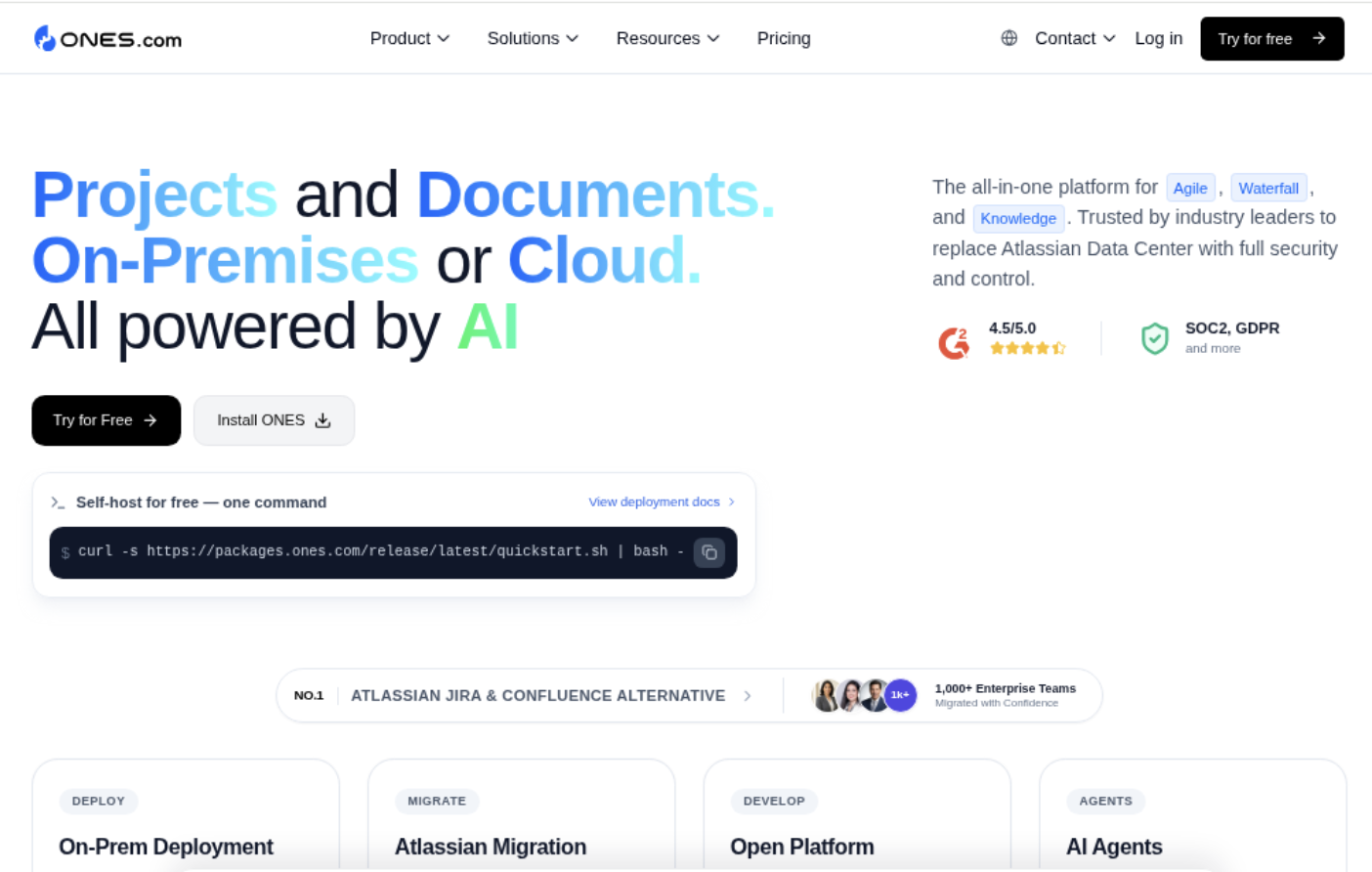
If your pricing review reveals that Jira customization has become difficult to govern, ONES.com offers a platform approach with native project workflows, reporting, automation, and deployment flexibility. It can help you evaluate the broader operating model instead of adding another layer of specialized extensions.
Core Capabilities
- Complex Jira administration: Custom workflows and fields in ONES Project help centralize project controls, reducing the need for scattered extensions.
- Manual sprint coordination: Sprint management keeps planning and delivery work in one project environment, making progress easier to review.
- Limited visibility: Built-in reporting gives teams a direct way to monitor delivery status, workload, and project trends.
- Plugin sprawl: Native capabilities can reduce the number of separate apps required for common project operations.
- Restricted deployment requirements: Cloud, On-Premise, Private Cloud, and Air-gapped deployment options support different security and infrastructure needs.
- Migration concerns: Jira-compatible workflows can make it easier to map familiar processes during an evaluation or transition.
- Knowledge scattered across teams: ONES Wiki provides a knowledge management environment that can connect project practices with team guidance.
- Growing operational complexity: ONES Assistant adds AI-powered support within the platform, helping teams work with project and knowledge content more efficiently.
Application Scenarios
Scenario one: a regulated engineering team. The team needs self-hosted deployment, controlled access, sprint management, and reporting. An On-Premise or Air-gapped ONES.com deployment can fit the infrastructure requirement while keeping project operations in a unified environment.
Scenario two: a growing product organization. Administrators are spending too much time maintaining custom Jira behavior across many projects. The team can evaluate ONES Project as a Jira alternative, focusing on native workflows, custom fields, automation, and reporting.
Scenario three: a project team with recurring knowledge gaps. Delivery guidance sits separately from project work, so new team members repeat the same questions. ONES Project and ONES Wiki can be assessed together when the organization needs project management and knowledge management in one broader platform strategy.
Common Challenges and Practical Solutions
Challenge: confusing administrator count with licensed users
Solution: Check how the relevant Jira edition defines the app tier. Build your estimate around that rule, then separate the license population from the people who maintain automations.
Challenge: relying on an old price quote
Solution: Confirm the current Marketplace listing, renewal terms, currency, and deployment conditions before approval. Record the quote date in your budget notes.
Challenge: underestimating maintenance
Solution: Assign owners, review critical scripts regularly, and include upgrade testing in the annual plan. Treat automation as an operational capability, not a one-time setup task.
Challenge: choosing by license fee alone
Solution: Compare licensing, rollout time, administration, governance, and expected productivity gains. Use one representative workflow for every product under review.
Challenge: adding complexity too early
Solution: Start with a small group of high-value automations. Expand only after the team understands ownership, monitoring, permissions, and rollback procedures.
FAQs About ScriptRunner Costs
Is ScriptRunner priced per administrator?
Usually, you should not assume pricing applies only to administrators. The relevant tier may be connected to the Jira user count for your deployment. A team with five automation owners could therefore fall into a tier reflecting many more Jira users. Check the current licensing rule for Cloud, Data Center, or Server before estimating.
Does Jira Cloud have the same pricing as Data Center?
Cloud and Data Center can use different commercial models, billing cycles, and administration requirements. Cloud planning commonly involves Marketplace billing and a Jira user tier. Data Center planning often includes annual licensing and self-managed operational work. Compare the model that matches your actual environment rather than transferring a Cloud estimate to Data Center.
Does ScriptRunner include implementation and maintenance?
The app license does not remove the need for internal planning. Your team may spend time designing rules, testing transitions, reviewing permissions, troubleshooting failures, and checking behavior after upgrades. Include those activities in the total cost estimate, especially when scripts affect approvals, notifications, or customer-facing processes.
How can I estimate the first-year cost?
Start with the applicable license tier and billing term. Add implementation time, testing, training, governance, and any required environment work. Then estimate recurring administration for the rest of the year. A three-year view is useful because user growth, renewals, and expanding automation can change the financial picture.
Is a lower-priced alternative automatically better?
No. A lower license fee may come with greater setup effort, fewer deployment choices, weaker reporting, or more maintenance. Compare the complete workflow outcome. Evaluate whether the platform supports your security model, project scale, automation needs, reporting expectations, and internal administration capacity.
Conclusion
ScriptRunner for Jira pricing depends on more than a single advertised number. Jira edition, user tier, billing term, environment requirements, renewal conditions, and internal maintenance all shape the real investment.
Start by confirming your deployment and licensing population. Then estimate implementation, governance, testing, and three-year growth. Compare the same workflow across alternatives, and validate current commercial terms before purchasing.
But here's the practical takeaway: a clear cost model makes automation easier to justify and easier to govern. If specialized Jira customization has become expensive to maintain, evaluating a unified platform such as ONES.com can help you compare project management, knowledge management, deployment, and reporting in one broader decision.