Smartsheet for Jira Pricing: A Practical Guide for 2026
Wondering about smartsheet for jira pricing? Learn the true total cost, hidden fees, and plan factors for 2026. Click to compare plans now.
Smartsheet and Jira can work together, but their pricing becomes confusing quickly. You may pay for two platforms, integration access, extra users, and advanced administration at the same time. A low per-user price can become expensive once your team grows or needs automated synchronization.
That confusion creates practical problems. You might approve a plan before checking connector eligibility, user roles, billing cycles, or Jira service limits. Later, finance sees a larger renewal invoice, while your team still handles manual updates.
Here’s the solution: calculate the full operating cost before choosing a plan. This guide explains Smartsheet for Jira pricing, integration costs, user assumptions, renewal risks, and a practical way to compare alternatives in 2026.
How Smartsheet and Jira Pricing Works in 2026
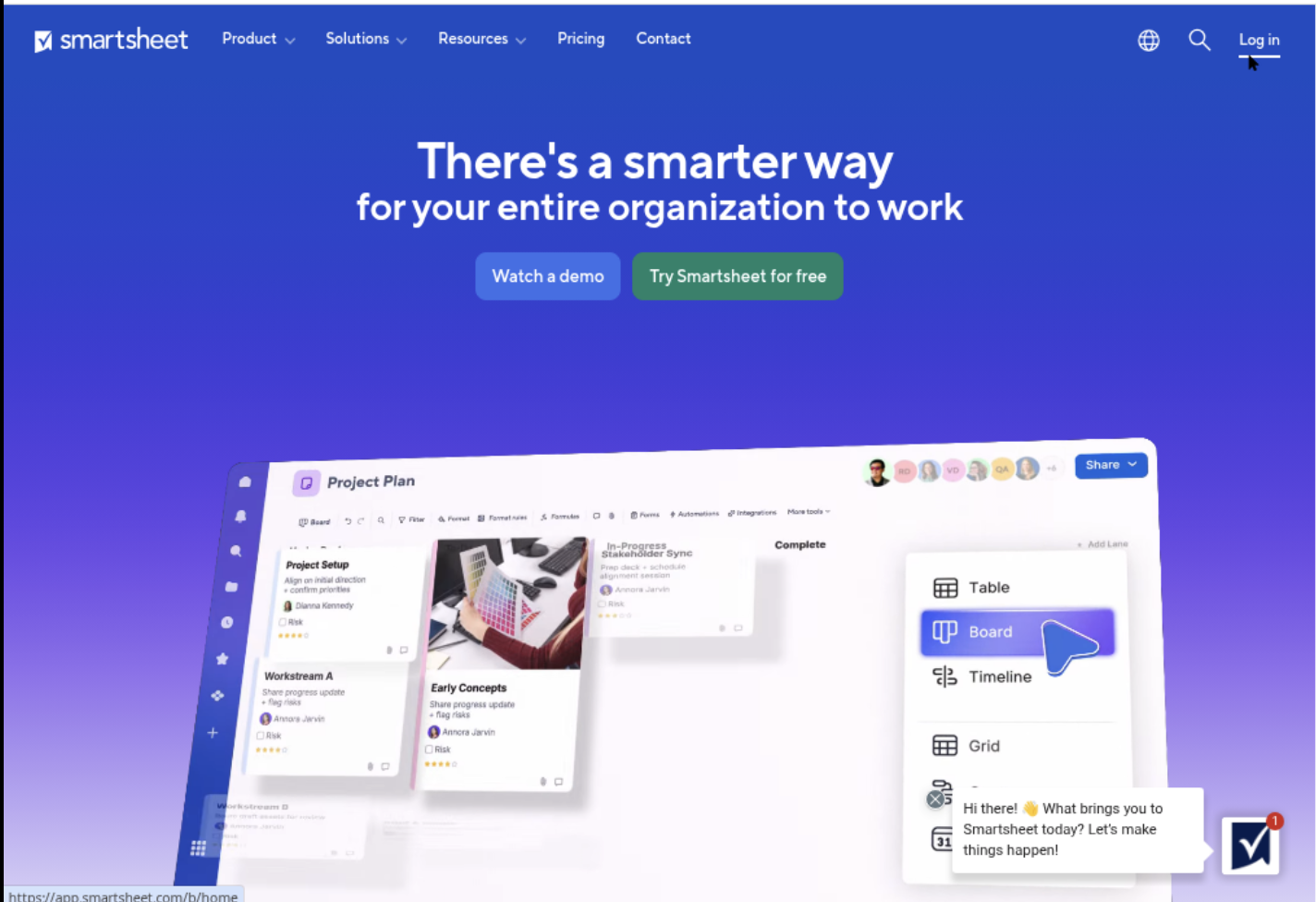
Smartsheet for Jira pricing usually means the combined cost of Smartsheet, Jira, and any connector used to synchronize work between them. There is rarely one universal bundle price.
You should evaluate four cost layers:
- Smartsheet licensing: You pay for the Smartsheet plan and the people who create, manage, or collaborate on work.
- Jira licensing: You pay separately for Jira users, service capacity, or enterprise features.
- Integration access: The Jira Connector or another integration may require a qualifying Smartsheet plan and suitable permissions.
- Implementation and administration: Setup, workflow design, monitoring, training, and maintenance add operational cost.
Smartsheet pricing commonly varies by plan, billing cycle, region, user type, and contract size. Jira pricing also changes by edition, user count, cloud or self-managed deployment, and selected products.
For 2026 planning, treat public prices as planning estimates until you confirm the current commercial offer. Taxes, currency conversion, promotional terms, and enterprise discounts can change the final amount.
The basic cost formula
Use this formula before requesting a quote:
Total annual cost = Smartsheet annual cost + Jira annual cost + connector cost + implementation cost + administration cost
For example, imagine a 40-person delivery team. Twenty people need active Smartsheet access, while all 40 need Jira access. Your estimate should reflect those different user populations.
| Cost area |
Planning question |
| Smartsheet |
How many people need edit, owner, or collaborator permissions? |
| Jira |
How many people need full Jira access, limited access, or service access? |
| Connector |
Does your Smartsheet plan support the Jira integration? |
| Administration |
Who will build mappings, monitor sync jobs, and resolve errors? |
| Growth |
How will costs change when teams, projects, or external partners increase? |
What You May Pay for Smartsheet
Smartsheet typically offers several plan levels. Exact names, inclusions, and prices can change, so compare the current commercial page with your business requirements.
Lower tiers may suit a small team that needs structured work tracking and basic collaboration. Higher tiers usually add stronger administration, governance, reporting, automation, or enterprise controls.
Here’s why plan selection matters: the cheapest tier may cover individual work while excluding capabilities needed for Jira synchronization or controlled access.
Common Smartsheet cost drivers
- Licensed users: Count people who create, own, edit, or administer work.
- Collaborators: Check whether occasional contributors can work without full paid access.
- Automation: Review limits for alerts, approval flows, update requests, and recurring actions.
- Reporting: Confirm whether dashboards and portfolio views need advanced capabilities.
- Administration: Consider access controls, activity monitoring, governance, and centralized management.
- Integration eligibility: Verify whether the Jira Connector requires a particular tier.
For a realistic estimate, create three scenarios: current usage, expected growth, and high-growth usage. A plan that fits 20 people may become costly at 100 people.
Illustrative Smartsheet planning tiers
| Planning level |
Suitable situation |
Pricing question |
| Entry level |
A small group tracks straightforward work. |
Are integrations, automation, and governance included? |
| Business level |
Several teams need shared workflows and reporting. |
How many paid users and automated actions are allowed? |
| Enterprise level |
Large organizations need administration and procurement support. |
What contract terms, controls, and volume discounts apply? |
What You May Pay for Jira
Jira pricing depends on the product edition and the number of people who need access. Jira Cloud generally offers Free, Standard, Premium, and Enterprise options, while self-managed deployments follow different commercial rules.
Jira Free can suit a small team testing basic project tracking. Larger groups often need Standard or Premium for expanded limits, administration, planning, automation, or reliability features.
You might be wondering: why count Jira users separately? Because a person who only views a Smartsheet workspace may still need Jira access for synchronization or issue updates.
Jira cost questions to answer
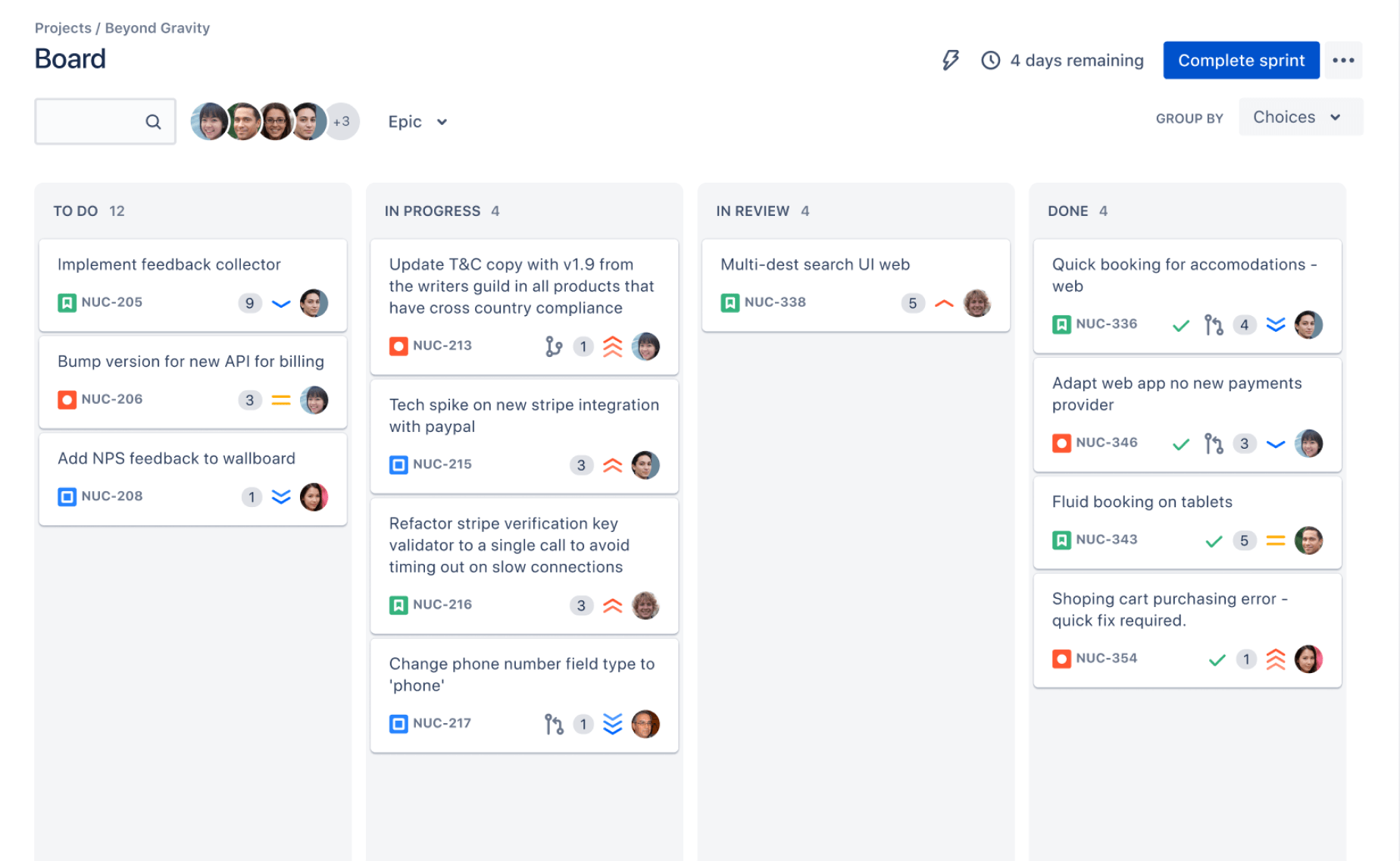
- How many Jira users need full project access?
- Do contractors or clients require accounts?
- Will Premium planning or reliability capabilities be necessary?
- Are Jira Service Management agents included in the same calculation?
- Does your team need cloud hosting or self-managed deployment?
- Will automation activity exceed the allowance in the selected plan?
Jira’s user-based pricing can create a different cost curve from Smartsheet. A team may need many Jira accounts but only a smaller number of Smartsheet owners.
How the Jira Connector Changes the Calculation
The Jira Connector helps synchronize selected work between Smartsheet and Jira. It can reduce duplicate entry, although it introduces configuration and monitoring responsibilities.
The connector does not remove the need for separate product licensing. You still need suitable Smartsheet access, Jira access, and permissions on both sides.
Let me explain: an integration is part of the operating model. It needs field mapping, synchronization rules, error handling, ownership, and change control.
Questions to check before purchase
- Confirm which Smartsheet plans support the connector.
- Confirm whether connector access is included or separately quoted.
- Identify the Smartsheet and Jira administrators responsible for setup.
- List the fields that must synchronize, such as status, owner, priority, and due date.
- Decide which system controls each field when values conflict.
- Estimate synchronization volume and automation activity.
- Test permissions with real project roles before signing a longer contract.
A simple integration example
Suppose product managers plan releases in Smartsheet while engineers manage issues in Jira. A connector can send approved work into Jira and return status updates to the planning workspace.
That arrangement works best when each field has one clear owner. For example, Jira may control engineering status, while Smartsheet controls executive milestones.
Without that agreement, both platforms may overwrite values or display conflicting dates. The connector then becomes another administration burden.
Smartsheet and Jira: Which Cost Model Fits Your Team?
Smartsheet and Jira solve different coordination problems. Smartsheet emphasizes flexible planning, cross-functional visibility, and executive reporting. Jira focuses on software delivery workflows, issues, backlogs, and engineering execution.
The combined approach makes sense when business planning and technical delivery need separate workspaces. It becomes harder to justify when the same people maintain identical tasks in both platforms.
| Need |
Smartsheet may fit when |
Jira may fit when |
| Portfolio planning |
Leaders need flexible views across initiatives. |
Teams already use Jira plans and boards. |
| Software delivery |
Technical work is secondary to broader program coordination. |
Engineers need issues, sprints, workflows, and backlog management. |
| Executive reporting |
Stakeholders prefer dashboards and milestone summaries. |
Leadership needs reports directly from delivery activity. |
| Cross-team collaboration |
Business teams need accessible planning spaces. |
Most contributors already work inside Jira. |
The best part? You can compare total effort instead of comparing subscription prices alone. A cheaper plan can lose its advantage if it requires extensive manual reconciliation.
How to Build a Reliable 2026 Budget
Start with a role map. Separate full editors, occasional collaborators, viewers, administrators, Jira agents, and external partners.
Next, calculate current annual cost and three-year cost. Include expected headcount growth, renewal increases, connector expansion, and implementation work.
Use a practical budgeting worksheet
| Budget item |
Year one |
Year two |
Year three |
| Smartsheet licenses |
Plan estimate |
Growth-adjusted estimate |
Growth-adjusted estimate |
| Jira licenses |
Plan estimate |
Growth-adjusted estimate |
Growth-adjusted estimate |
| Connector or integration |
Quote required |
Renewal estimate |
Renewal estimate |
| Implementation |
One-time estimate |
Maintenance estimate |
Maintenance estimate |
| Administration |
Staff-time estimate |
Staff-time estimate |
Staff-time estimate |
Then calculate cost per active project. If ten projects share the environment, divide recurring administration across those projects.
This approach exposes hidden costs. For example, a connector that saves 15 hours each week may justify its price. A connector that supports only a few low-value fields may not.
When a Combined Setup Makes Sense
A dual-platform arrangement can work well for a product organization with separate planning and engineering responsibilities.
For example, a product operations team may track launch milestones, risks, and executive commitments in Smartsheet. Engineering may manage user stories, bugs, and sprint work in Jira.
The arrangement becomes less attractive when every task, owner, date, and status must exist in both places. That duplication increases training needs and creates more opportunities for mismatched information.
Use a combined model when each platform has a distinct job. Use a unified platform when one workflow can serve planning, delivery, reporting, and knowledge needs.
Natural Topic Solution: ONES.com
Value Proposition
ONES.com combines project management and knowledge management in one platform powered by ONES Assistant. It can suit teams comparing Smartsheet and Jira costs while seeking fewer disconnected systems.
ONES Project is a Jira alternative for project delivery, while ONES Wiki is a Confluence alternative for team knowledge. They are sold separately.
Core Capabilities
- Duplicated work across platforms → ONES Project: Keep planning, execution, and reporting within a connected project environment.
- Complex Jira-style delivery needs → Jira-compatible workflows: Support issue tracking, sprint management, and familiar delivery processes.
- Plugin administration → Built-in reporting and automation: Reduce reliance on multiple add-ons for recurring reporting and workflow actions.
- Rigid project structures → Custom workflows and fields: Adapt work states, classifications, and project information to different teams.
- Disconnected team knowledge → ONES Wiki: Connect project work with structured knowledge spaces when your plan includes both products.
- Deployment restrictions → Four deployment choices: Choose Cloud, On-Premise, Private Cloud, or Air-gapped deployment.
- Feature gaps between hosting models → Full feature parity: Use the same core capabilities across cloud and self-hosted versions.
- Limited pilot budgets → Free plan for up to 30 seats: Test the platform with a small team before expanding.
- Separate AI assistance needs → ONES Assistant: Add AI-powered support within the wider project and knowledge environment.
Application Scenarios
Software delivery team: A development group can use ONES Project for backlog management, sprints, custom workflows, and reporting. This may reduce the need to synchronize technical work with another planning platform.
Restricted-network organization: A regulated team can select an On-Premise, Private Cloud, or Air-gapped deployment. That approach supports stricter infrastructure and access requirements.
Growing project office: A small project office can begin with the free 30-seat allowance, then evaluate broader governance and reporting needs as more teams join.
Common Challenges
Challenge: Comparing list prices without counting labor
Solution: Add administration, training, workflow maintenance, and synchronization monitoring to the annual estimate. A platform that saves recurring coordination time may deliver stronger value.
Challenge: Paying for overlapping access
Solution: Map every role before purchase. Identify who needs Smartsheet, Jira, both platforms, or viewer access only.
Challenge: Assuming the connector covers every workflow
Solution: Test real mappings with status, dates, ownership, approvals, and custom fields. Confirm how conflicts and failed synchronizations are handled.
Challenge: Underestimating growth
Solution: Model costs at current headcount, expected headcount, and a high-growth scenario. Review user thresholds before renewal.
Challenge: Choosing two platforms for one simple process
Solution: Compare the combined subscription and administration cost with a unified project management platform. Consider workflow coverage, deployment needs, and reporting quality.
FAQs
Is there one Smartsheet for Jira price?
Usually, no. The total depends on your Smartsheet plan, Jira edition, user counts, connector eligibility, and implementation needs. Some connector arrangements may be included with qualifying plans, while enterprise customers may receive a separate quotation. Build a combined annual estimate, then confirm the current commercial terms for your region and contract size.
Does Jira access come with Smartsheet?
No. Smartsheet and Jira are separate products. A connector can synchronize selected information, but it does not replace the underlying licenses. Check which people need access to each platform, including administrators, editors, viewers, contractors, and service agents. This role map provides a more reliable estimate than counting the total headcount alone.
Can a small team use both platforms affordably?
It can, especially when the team has a clear reason for each platform. Start by identifying the work that requires Smartsheet and the work that requires Jira. Then estimate connector activity and administration time. A small subscription can still create unnecessary overhead when the same tasks need repeated updates in both environments.
What should I verify before signing a 2026 contract?
Verify plan limits, annual and monthly rates, user definitions, integration eligibility, automation allowances, renewal terms, taxes, regional currency, and support coverage. Ask how added users affect the contract. Test your most important synchronization rules before rollout. Also confirm whether your deployment, security, and retention requirements fit the selected hosting model.
When should I consider a Jira alternative?
Consider a Jira alternative when your team needs broader project planning, simpler cross-functional collaboration, built-in reporting, or deployment flexibility. Compare workflow depth carefully. The right choice should support your delivery process, reporting needs, administration model, and security requirements without creating unnecessary duplication.
Conclusion
Smartsheet for Jira pricing is a combined cost question. Count Smartsheet licenses, Jira licenses, connector access, implementation, administration, and future growth.
But here’s the truth: the lowest subscription price may not produce the lowest operating cost. Duplicate updates, unclear ownership, and integration maintenance can consume the savings.
Use role-based estimates, test the connector with realistic workflows, and compare a dual-platform setup with a unified alternative such as ONES.com. That process gives you a clearer 2026 budget and a better fit for the way your team actually works.