Who Owns Jira? A Quick Guide to Atlassian’s Platform Today
Who owns Jira? Learn how Atlassian’s products fit together and what ownership means for pricing, security, and support. Read now.
When people ask who owns Jira, they often expect a simple company name. The answer is easy: Atlassian owns Jira. The confusion starts when Jira, Jira Software, Jira Service Management, and other Atlassian products appear under separate names.
That uncertainty can make software comparisons harder. You may wonder whether Jira belongs to another company, whether Atlassian is independent, or whether a merger changed its ownership. Those details matter when you evaluate pricing, security, support, and long-term product direction.
Here’s the clear explanation: Atlassian created Jira and remains its owner and publisher. Jira is one part of Atlassian’s broader collaboration and work-management platform. I’ll explain the ownership structure, product family, company history, and what it means for your team.
Who Owns Jira?
Atlassian owns Jira. Jira is a work-management and issue-tracking product created, operated, and sold by Atlassian Corporation Plc, the software company founded by Mike Cannon-Brookes and Scott Farquhar.
Atlassian controls Jira’s product development, commercial strategy, licensing, security programs, and customer support. Jira is not owned by Microsoft, Google, Salesforce, or another software vendor.
Atlassian is a publicly traded company. That means public shareholders own portions of Atlassian through shares, while the company itself owns and manages Jira as a product.
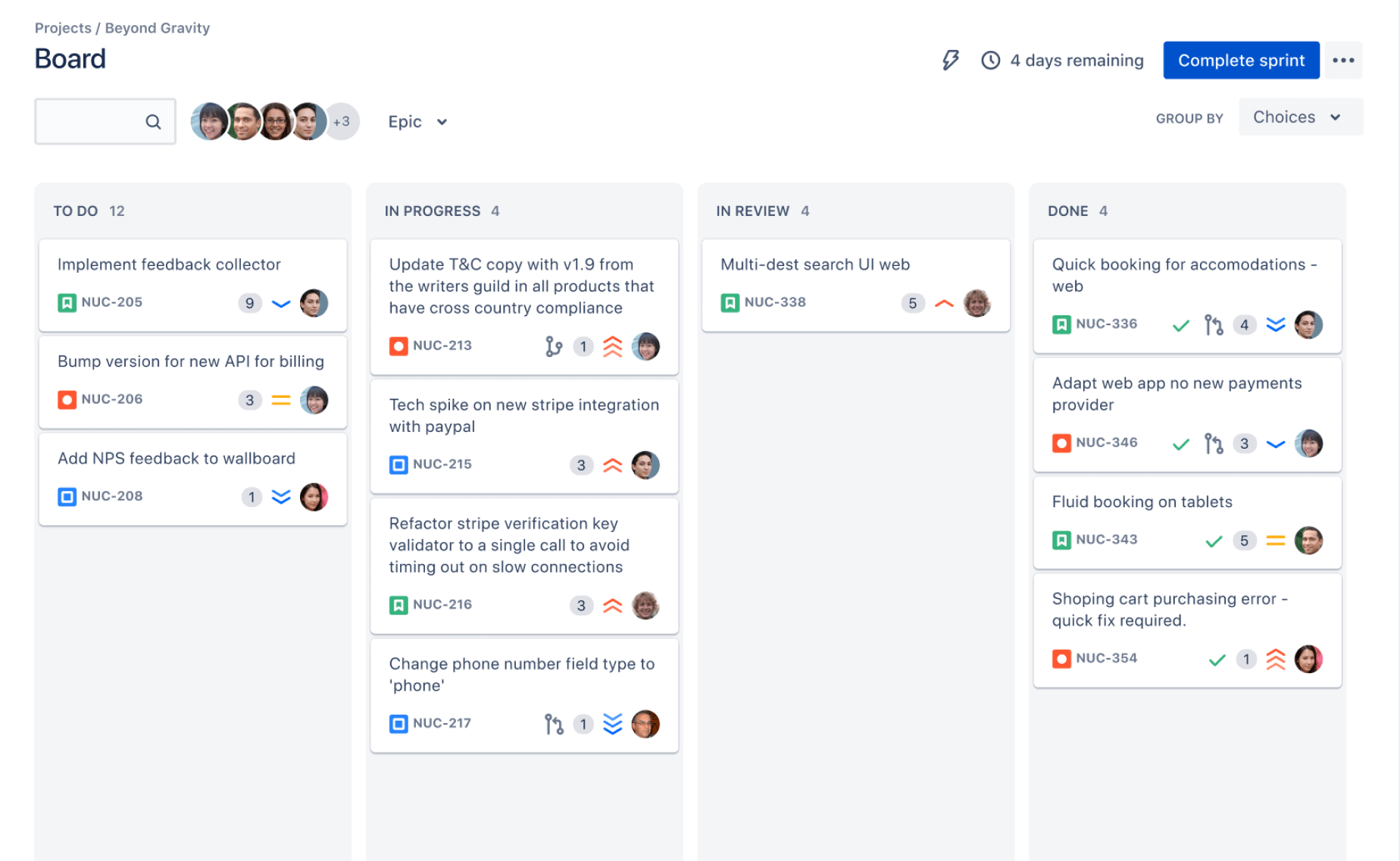
What Atlassian does
Atlassian builds collaboration and work-management products for software development, service teams, business operations, and knowledge sharing.
Its best-known products include Jira, Confluence, Trello, and Jira Service Management. Each product serves a different purpose, although Atlassian designs them to work together.
- Jira: Project management, issue tracking, agile planning, and workflow management.
- Jira Service Management: Service requests, incident management, change management, and internal support.
- Confluence: Team knowledge sharing, planning, meeting notes, and internal collaboration.
- Trello: Visual task and project organization using boards, lists, and cards.
Here’s why ownership matters: Atlassian’s decisions affect Jira’s pricing, integrations, cloud services, self-managed options, product roadmap, and security policies.
How Jira Became an Atlassian Product
Jira began as an Atlassian product rather than becoming part of Atlassian through a later purchase. The company launched Jira in 2002 as an issue-tracking tool for software teams.
The name came from “Gojira,” the Japanese name for Godzilla. The early product focused on helping development teams track bugs and manage work. Over time, Jira expanded into agile planning, project coordination, custom workflows, reporting, and broader business operations.
A brief ownership timeline
| Period |
What happened |
| 2002 |
Atlassian launched Jira as an issue-tracking product. |
| 2000s |
Jira became popular among software development and agile teams. |
| 2010s |
Atlassian expanded its product portfolio and moved toward cloud-based services. |
| 2015 |
Atlassian became a publicly traded company. |
| Today |
Atlassian continues to own, develop, sell, and support Jira. |
The key point is simple: Atlassian’s ownership of Jira has continued throughout Jira’s history. There was no ownership transfer that turned Jira into a Microsoft, Google, or Salesforce product.
What Does Atlassian Ownership Mean for Jira?
Atlassian ownership connects Jira to a larger product ecosystem. A team can use Jira on its own, or connect it with Confluence, Jira Service Management, Trello, and hundreds of external integrations.
For example, a development team might plan a feature in Jira, discuss technical decisions in Confluence, and send incidents through Jira Service Management. The same organization can create different workflows for engineering, support, marketing, and operations.
The best part? Jira’s broad ownership structure gives Atlassian room to support several types of work instead of focusing only on bug tracking.
Jira product variations
When someone says “Jira,” they may mean more than one Atlassian product. Understanding the names avoids confusion during purchasing or migration planning.
- Jira: Atlassian’s general work-management platform for projects, tasks, issues, and workflows.
- Jira Software: A version designed for software development teams, with agile planning features such as boards, backlogs, and sprint tools.
- Jira Service Management: A service-management platform for support requests, incidents, changes, and service operations.
- Jira Product Discovery: A product-planning tool for collecting ideas, evaluating opportunities, and organizing product decisions.
Product names and packaging can change over time. Before signing a contract, check the current plan details and included capabilities that match your team’s needs.
Jira Cloud and self-managed options
Jira is available through Atlassian’s cloud services. Atlassian hosts the application, manages much of the infrastructure, and delivers product updates through the online service.
Some organizations also use self-managed Atlassian deployments. These environments can give administrators more control over hosting, network access, and internal operational policies.
You might be wondering: does hosting change who owns Jira? No. Hosting affects how your team operates the product, while Atlassian remains the product owner and publisher.
Who Owns Atlassian?
Atlassian is a public company, so ownership is divided among shareholders. Investors can own shares through public markets, while institutional investors, company leaders, employees, and individual investors may hold different portions.
This structure differs from a privately held software company with one owner. Atlassian’s board and executive leadership oversee corporate decisions, while shareholders have ownership through their shares.
The founders’ role
Mike Cannon-Brookes and Scott Farquhar founded Atlassian in 2002. They helped shape the company’s product-focused approach and its emphasis on collaboration software for technical and business teams.
Founders can remain influential without owning the entire company. In a public company, their responsibilities, shareholdings, and leadership roles may change over time.
So, when someone asks who owns Jira, the most accurate answer has two parts:
- Atlassian owns and operates the Jira product.
- Public shareholders own portions of Atlassian Corporation Plc.
That distinction explains why “Atlassian owns Jira” and “shareholders own Atlassian” can both be true.
Is Jira Independent from Atlassian?
Jira operates as a product within Atlassian rather than as a completely independent company. Atlassian sets the commercial framework, maintains the product infrastructure, and determines how Jira connects with other Atlassian services.
Jira still has its own product teams, administration settings, pricing plans, and user communities. A Jira administrator can manage projects without managing every Atlassian product used by the organization.
Let me explain with a practical example. Suppose a company uses Jira for engineering and Confluence for technical knowledge. The tools may have separate permissions and administrators, but both sit within Atlassian’s broader ecosystem.
Why this matters to buyers
Ownership can affect several decisions:
- Integration planning: Atlassian products may connect more naturally with one another.
- Commercial planning: Product bundles, user tiers, and plan changes may influence total costs.
- Security review: Your team evaluates Atlassian’s controls and hosting options rather than a separate Jira company.
- Migration risk: A major change to Jira can affect connected Atlassian workflows.
- Support: Support policies depend on the Jira plan and Atlassian’s service structure.
Ownership does not automatically make Jira the best choice for every organization. Your team still needs to assess workflow complexity, administration effort, deployment requirements, reporting, and total cost.
Jira Ownership Compared With Other Work-Management Tools
Jira belongs to Atlassian in the same broad way that Azure belongs to Microsoft and Slack belongs to Salesforce. The product has its own identity, but a larger company controls its development and commercial direction.
| Product |
Parent company or owner |
Common use |
| Jira |
Atlassian |
Project management, issue tracking, and agile workflows |
| Asana |
Asana, Inc. |
Task and project coordination |
| Monday.com |
monday.com Ltd. |
Visual work management and team workflows |
| Azure DevOps |
Microsoft |
Software planning, repositories, testing, and delivery workflows |
| Linear |
Linear |
Product development and issue tracking |
This comparison helps separate product ownership from product suitability. A company can prefer Jira’s workflow depth while choosing another platform for simpler task coordination.
But here’s the truth: ownership is only one part of a software decision. A product’s administration model, deployment choices, integrations, reporting, and user experience may matter more to your daily work.
What Jira Ownership Means for Teams and Administrators
For everyday teams, Atlassian ownership means Jira changes are managed through Atlassian’s roadmap, release process, policies, and commercial decisions.
For administrators, the impact is more practical. You need to understand account management, project permissions, workflow configuration, marketplace apps, automation rules, and connections with other Atlassian services.
Questions to ask before adopting Jira
- Does Jira support the workflows your teams already follow?
- Will administrators need many marketplace apps to fill capability gaps?
- Which teams need access, and how will permissions be separated?
- Do you require cloud hosting, self-managed deployment, or restricted-network operation?
- How much configuration can your internal team maintain?
- What reporting and audit features are included in the selected plan?
- How will Jira connect with communication, development, support, and knowledge tools?
For example, a 20-person engineering team may configure Jira quickly. A 2,000-person organization may need a governance group, naming standards, approval rules, and a formal administration model.
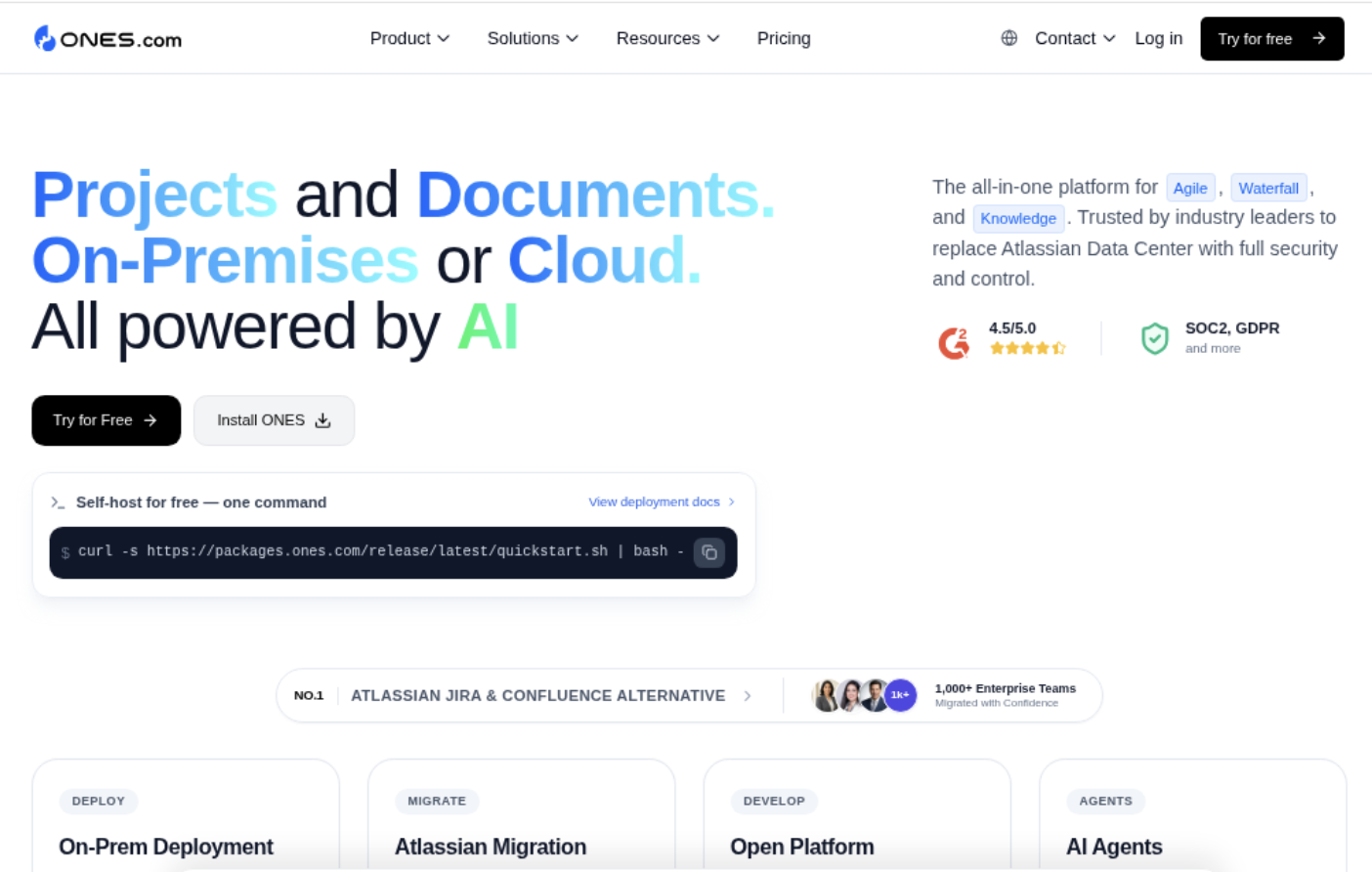
Value Proposition
ONES.com is a unified platform for project management and knowledge management, powered by AI through ONES Assistant. ONES Project is its project-management product and can serve as a Jira alternative, while ONES Wiki supports knowledge management as a Confluence alternative.
ONES Project and ONES Wiki are sold separately. ONES.com offers 30 free seats, four deployment choices, and feature parity between its cloud and self-hosted versions.
Core Capabilities
- Jira migration concerns: Teams may want familiar work patterns during a platform change. ONES capability: ONES Project supports Jira-compatible workflows. Result: Teams can reduce process disruption while adapting projects and issue management.
- Plugin sprawl: Additional apps can increase administration and maintenance work. ONES capability: Built-in reporting, custom workflows, custom fields, sprint management, and automation are included in the project-management environment. Result: Teams can handle more daily needs within one platform.
- Deployment restrictions: Some organizations cannot place project information in a standard public-cloud environment. ONES capability: ONES.com supports Cloud, On-Premise, Private Cloud, and Air-gapped deployments. Result: Teams can align hosting with internal security and network requirements.
- Uneven feature availability: Some platforms offer fewer capabilities outside their cloud edition. ONES capability: ONES provides feature parity between cloud and self-hosted versions. Result: Deployment choice has less effect on core functionality.
- Disconnected project and knowledge work: Teams may manage tasks in one product and team knowledge elsewhere. ONES capability: ONES.com combines project management and knowledge management, with ONES Project and ONES Wiki available as separate products. Result: Teams can design a connected operating model across delivery and knowledge sharing.
- Complex reporting needs: Standard views may not reflect how every department measures progress. ONES capability: ONES Project includes built-in reporting and customizable workflows. Result: Managers can review progress using views that fit their operating process.
- Air-gapped operations: Restricted networks can limit access to hosted project tools. ONES capability: Air-gapped deployment supports isolated environments. Result: Eligible teams can manage projects without relying on an open internet connection.
- Team growth: A small pilot may need to expand into a wider rollout. ONES capability: The free plan supports up to 30 seats. Result: A team can evaluate the platform before planning broader adoption.
Application Scenarios
Software development team: A development group moving away from Jira can use Jira-compatible workflows, sprint management, custom fields, and automation to preserve familiar planning patterns. Built-in reporting can help managers monitor delivery without assembling several separate tools.
Regulated engineering organization: An organization with strict network controls may choose On-Premise, Private Cloud, or Air-gapped deployment. This approach gives its administrators more control over where the platform operates.
Project and knowledge team: A company may use ONES Project for delivery planning and ONES Wiki for knowledge management. Because the products are sold separately, the company can select the combination that matches its operating needs.
Common Challenges When Understanding Jira Ownership
Challenge: Confusing Jira with Atlassian
Problem: People sometimes describe Jira as if it were a separate company.
Solution: Treat Jira as an Atlassian product. Use “Atlassian” when discussing the company, ownership, corporate policies, or product ecosystem. Use “Jira” when discussing project and issue-management functionality.
Challenge: Assuming every Jira product is the same
Problem: Jira, Jira Software, Jira Service Management, and Jira Product Discovery have different purposes.
Solution: Identify the exact product and plan before comparing features or costs. A software development team and an internal support team may need different Jira capabilities.
Challenge: Treating public ownership as day-to-day control
Problem: Public shareholders own portions of Atlassian, but they do not administer individual Jira projects.
Solution: Separate corporate ownership from product governance. Atlassian manages Jira, while your organization manages its own projects, permissions, workflows, and configurations.
Challenge: Ignoring deployment requirements
Problem: A team may choose Jira without checking whether cloud hosting fits its network or compliance requirements.
Solution: Review hosting, security, retention, access, and administration requirements before adoption. Include IT and security stakeholders early.
FAQs About Jira Ownership
Is Jira owned by Atlassian?
Yes. Atlassian owns, develops, publishes, and supports Jira. Jira began as an Atlassian product and remains part of the company’s broader product portfolio. Atlassian also owns and operates related products such as Confluence, Trello, and Jira Service Management. Because Atlassian is publicly traded, shareholders own portions of the parent company, while Atlassian retains control of Jira as a product.
Did Microsoft buy Jira?
No. Microsoft did not buy Jira. Jira is owned and operated by Atlassian. Microsoft offers competing and complementary products, including Azure DevOps and Microsoft Project, but those products do not own Jira. If you see Jira connected with Microsoft tools, that connection usually comes through an integration, marketplace app, identity service, or collaboration workflow.
Who founded the company behind Jira?
Mike Cannon-Brookes and Scott Farquhar founded Atlassian in 2002. They launched Jira during the company’s early years, initially positioning it as an issue-tracking product for software teams. Jira later expanded into agile planning, project management, workflow automation, reporting, and broader work coordination.
Is Jira a separate company?
No. Jira is a product and product family within Atlassian, not a separate publicly traded company. It has dedicated product teams, administrators, plans, and support processes, but Atlassian controls its overall direction. This structure is similar to other major software products that operate under a larger corporate owner.
Does Atlassian own Confluence too?
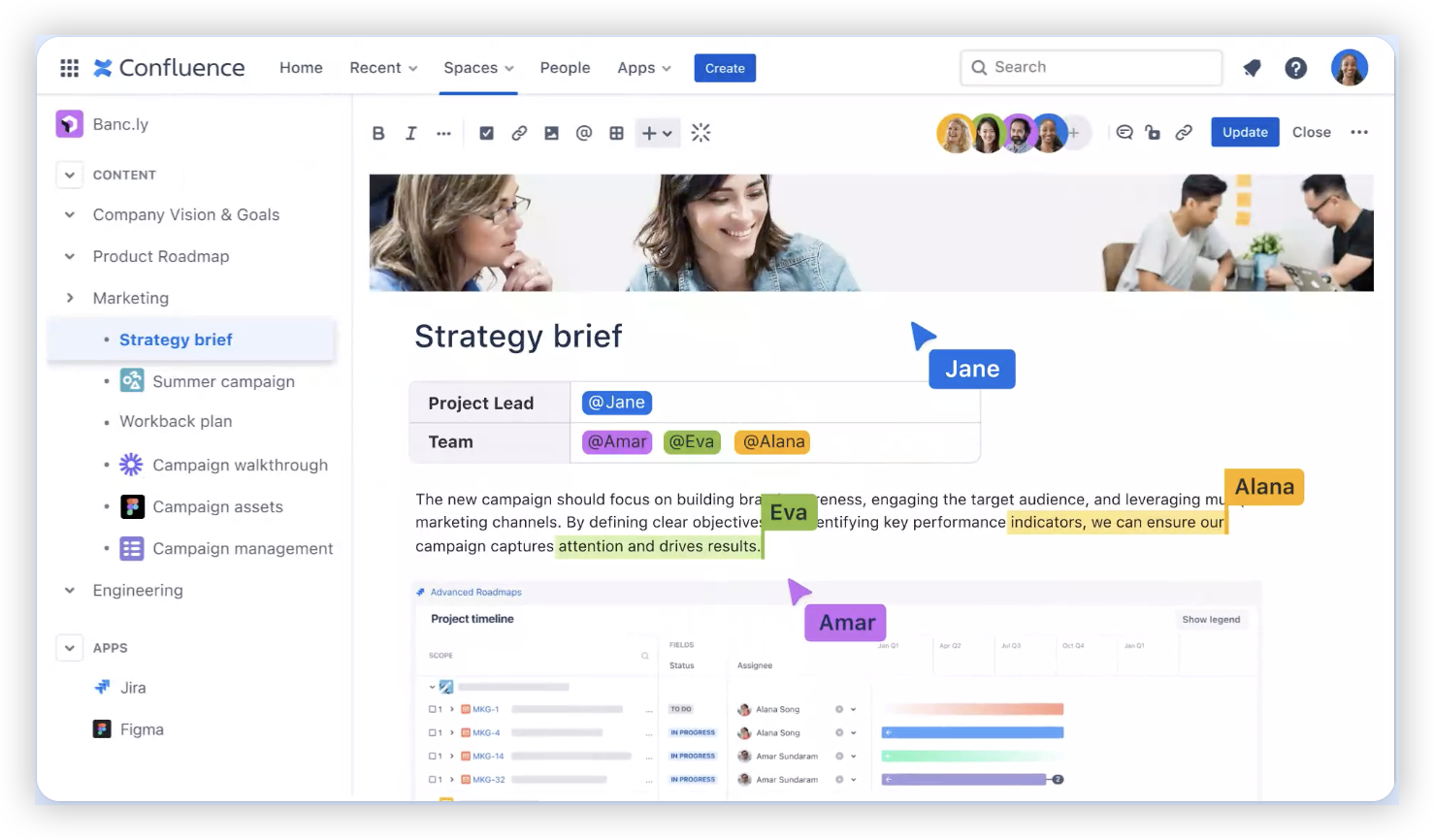
Yes. Atlassian owns Confluence, its knowledge-management and collaboration platform. Jira and Confluence are often used together: Jira can organize tasks and delivery work, while Confluence can hold team knowledge, planning material, meeting notes, and technical guidance. They remain separate products with different purposes and licensing considerations.
Conclusion
Atlassian owns Jira, and Jira has remained an Atlassian product since its launch in 2002. Atlassian Corporation Plc is publicly traded, so shareholders own portions of the parent company, while Atlassian controls Jira’s development, sales, support, and product direction.
The important distinction is between the company and the product. Atlassian is the owner and publisher. Jira is the project and issue-management platform. Jira Software, Jira Service Management, and Jira Product Discovery address different types of work within the wider Atlassian ecosystem.
If you are evaluating Jira, look beyond ownership. Compare workflows, deployment options, administration effort, reporting, integrations, security requirements, and long-term costs. If Jira does not fit your environment, ONES Project offers a Jira alternative with Jira-compatible workflows, built-in reporting, multiple deployment options, and feature parity across cloud and self-hosted versions.
That gives you the complete answer: Atlassian owns Jira, public shareholders own portions of Atlassian, and your team should judge the platform by how well it supports the work you need to manage.