Xray for Jira Pricing: A Practical Cost Planning Guide 2026
Wondering what xray for jira pricing really costs in 2026? Plan licenses, Jira seats, hosting, and growth with this practical guide. Read now!
Jira test management can look affordable at first glance. Then your team adds more testers, projects, environments, and reporting needs, and the real bill becomes harder to predict.
That uncertainty creates avoidable problems. You may compare only the Xray license while overlooking Jira seats, hosting, marketplace billing, implementation time, and future growth. A low starting price can become an expensive setup once several teams depend on it.
Here’s the practical solution: calculate the complete operating cost before choosing a plan. This guide explains the pricing factors, a simple forecasting method, hidden expenses, and when another platform may deliver better value.
How Xray for Jira Pricing Works
Xray for Jira pricing is usually shaped by your Jira deployment, licensed user count, billing term, and required capabilities. Xray is a test management application that runs within the Jira ecosystem, so its cost sits alongside your Jira subscription rather than replacing it.
In practical terms, you should estimate five spending areas:
- The Xray subscription or license
- Your Jira subscription
- Hosting and infrastructure for self-managed deployments
- Implementation, administration, and training
- Future expansion across teams, projects, and test environments
But here’s the truth: the visible subscription price is only one part of your total cost. A team with 20 testers may pay less than a team with 10 testers if the second team requires complex administration, custom integrations, and several environments.
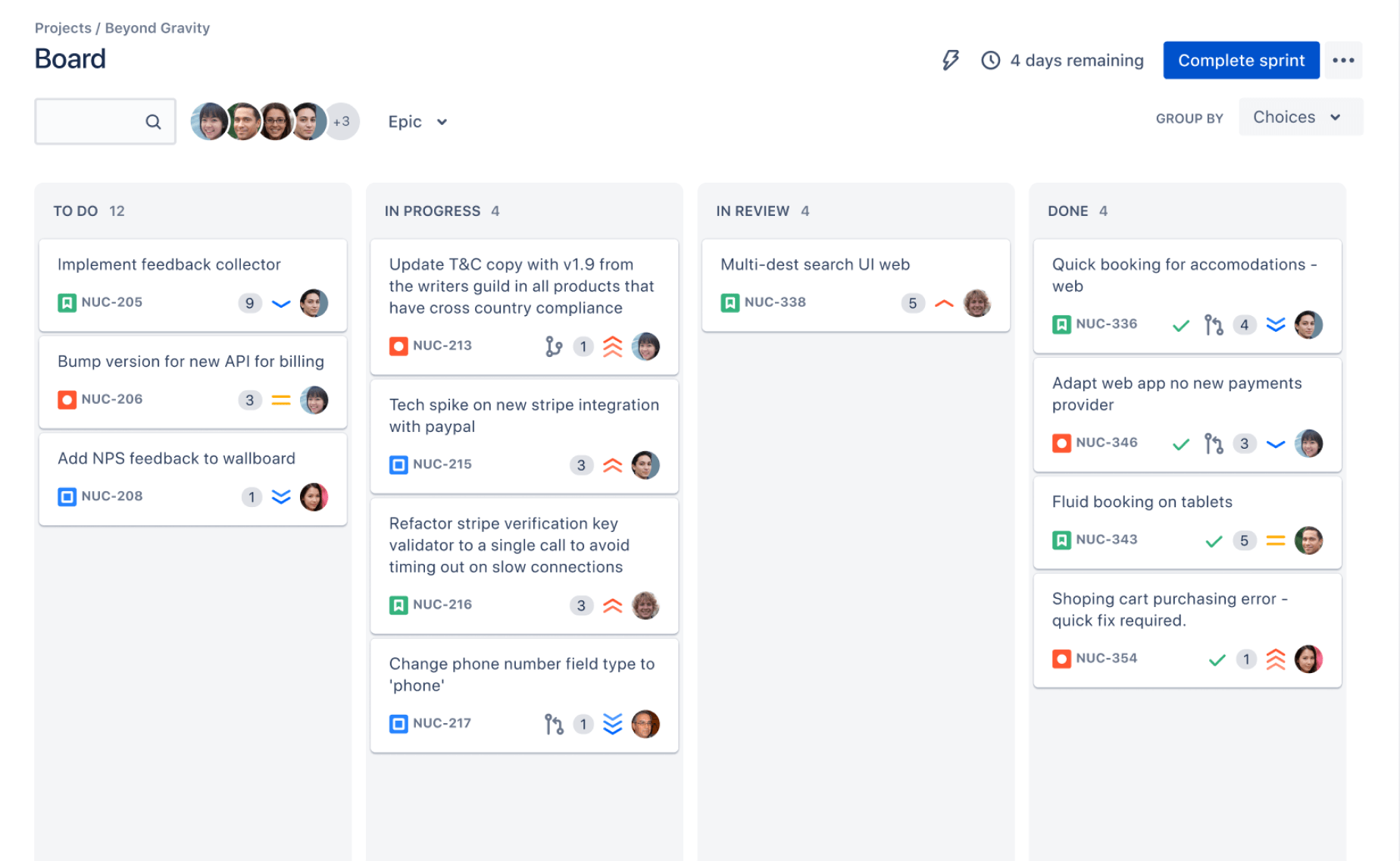
Cloud and Self-Managed Costs
Cloud pricing generally follows a recurring subscription model. You pay for access while the service remains active, and the amount typically changes as your Jira user tier grows.
Self-managed deployments usually involve a license or subscription alongside infrastructure, upgrades, backups, security reviews, and internal administration. This route can offer greater control, though it requires more operational effort.
For example, a regulated engineering team may prefer self-managed hosting because it controls network access and upgrade timing. A smaller software team may value cloud convenience because it has no dedicated Jira administrator.
What the Subscription Usually Covers
Xray commonly supports test cases, test executions, test plans, traceability, requirements coverage, and defect relationships inside Jira. Your exact package and available capabilities can vary by deployment and commercial arrangement.
Before signing up, confirm whether the plan includes the functions your team needs. Pay particular attention to reporting, automation, permissions, integrations, audit support, and limits around projects or users.
Build a Complete Cost Estimate
Use a total-cost formula instead of comparing one monthly number:
Estimated annual cost = Xray fees + Jira fees + hosting + administration + implementation + integrations + training + contingency.
You might be wondering: how do you turn that formula into a realistic budget? Start with your current team, then model growth for the next 12 to 24 months.
- Count every Jira user affected by the setup. Include testers, developers, product owners, managers, analysts, and occasional reviewers where their access requires a paid seat.
- Identify the deployment model. Separate cloud subscription costs from self-managed infrastructure and administration expenses.
- List required workflows. Include manual testing, exploratory testing, regression cycles, automation results, approvals, traceability, and release reporting.
- Estimate implementation effort. Account for workflow design, permissions, migration, integrations, training, and pilot testing.
- Model growth. Add planned teams, contractors, products, and geographic locations instead of budgeting only for today.
- Add a contingency reserve. Set aside room for extra seats, custom work, connector changes, and unplanned administration.
A Simple Example
Imagine a product company with 35 Jira users, 12 active testers, two product lines, and four major releases each year. It needs manual test management, automated test results, release coverage, and executive reporting.
The team should calculate the Xray subscription and Jira cost first. Then it should estimate configuration time, training, integration work, release administration, and possible user growth.
If the company expects 20 additional Jira users within a year, the budget should reflect that increase now. Otherwise, the first renewal may create an unpleasant surprise.
Monthly, Annual, and Multi-Year Planning
Monthly billing offers flexibility when you are still validating the setup. Annual billing may simplify procurement and forecasting, depending on the commercial terms available to you.
A multi-year commitment can improve predictability, though it reduces flexibility if your team changes tools or restructures its Jira environment. Compare the financial benefit with the cost of being locked into an unsuitable workflow.
| Planning horizon |
Best use |
| Monthly |
Early pilots, uncertain team size, and short validation cycles |
| Annual |
Stable teams that want easier budgeting and renewal planning |
| Multi-year |
Organizations with predictable adoption and strong platform confidence |
Costs People Commonly Miss
The subscription may seem straightforward until the implementation begins. Your team may spend weeks redesigning workflows, cleaning historical test cases, mapping permissions, and teaching people how to work in the new environment.
Here’s why: test management affects multiple roles. A tester creates and executes tests, a developer investigates failures, a product owner reviews coverage, and a release manager checks readiness.
Administration and Maintenance
Someone must manage permissions, custom fields, workflows, dashboards, integrations, and upgrades. In a self-managed environment, that responsibility can extend to performance monitoring, backups, security controls, and recovery procedures.
Even cloud deployments require internal ownership. A platform administrator may spend several hours each month handling access requests, workflow changes, reports, and troubleshooting.
Migration and Historical Coverage
Moving existing test cases into a new structure can require careful mapping. Test steps, priorities, execution history, ownership, and links to requirements may not transfer cleanly.
Consider a team with 8,000 historical test cases. If specialists spend three minutes reviewing each one, the review effort reaches 400 hours before cleanup and validation begin.
Integration and Automation Work
Teams often connect test management with build pipelines, automated testing tools, requirements workflows, release dashboards, and notification systems.
Each connection introduces maintenance work. A small integration may take a day, while a complex automation pipeline can require several weeks of engineering and testing.
Reporting and Governance
Leadership may ask for coverage by release, failure trends, unresolved defects, testing progress, and risk by requirement. Producing those reports can require additional configuration and specialized knowledge.
A plan that looks inexpensive can become less attractive when every important report needs manual preparation. Estimate reporting effort as part of the operating cost.
How to Compare Plans and Alternatives
Price alone is a weak comparison. You need to compare capability, administration, flexibility, and the cost of keeping the system reliable.
Let me explain: two tools can offer similar test-case features while creating very different workloads. One may fit naturally into your existing Jira process, while another may reduce customization and administrative effort.
Use a Weighted Comparison
Assign each requirement a weight from one to five. Then score each option against that requirement. This keeps a low subscription fee from overshadowing a serious workflow limitation.
| Requirement |
Suggested weight |
| Test case and execution management |
5 |
| Jira workflow compatibility |
5 |
| Automation and integration support |
4 |
| Reporting and traceability |
4 |
| Administration effort |
4 |
| Deployment and security controls |
3 |
| Training and adoption effort |
3 |
Multiply each score by its weight, then compare the total value against the estimated annual cost. This approach highlights whether a cheaper plan creates expensive operational work.
Questions to Ask Before Buying
- Does the plan support your preferred Jira deployment?
- How are users counted for billing?
- Are occasional reviewers included or charged?
- Which reporting capabilities are available without customization?
- Can automated test results connect to your current delivery pipeline?
- What happens when your user tier changes?
- Which administrative tasks remain with your team?
- Can you export essential information if your needs change?
When Xray May Be a Strong Fit
Xray can make sense when Jira is already central to your development workflow. Keeping requirements, defects, development tasks, and testing activities together may reduce context switching.
For example, a release team can link a requirement to test cases, executions, and defects. A release manager can then review coverage without asking several teams to reconcile separate systems.
The fit becomes weaker when your organization wants a completely independent quality platform, has limited Jira expertise, or needs highly specialized testing workflows outside Jira.
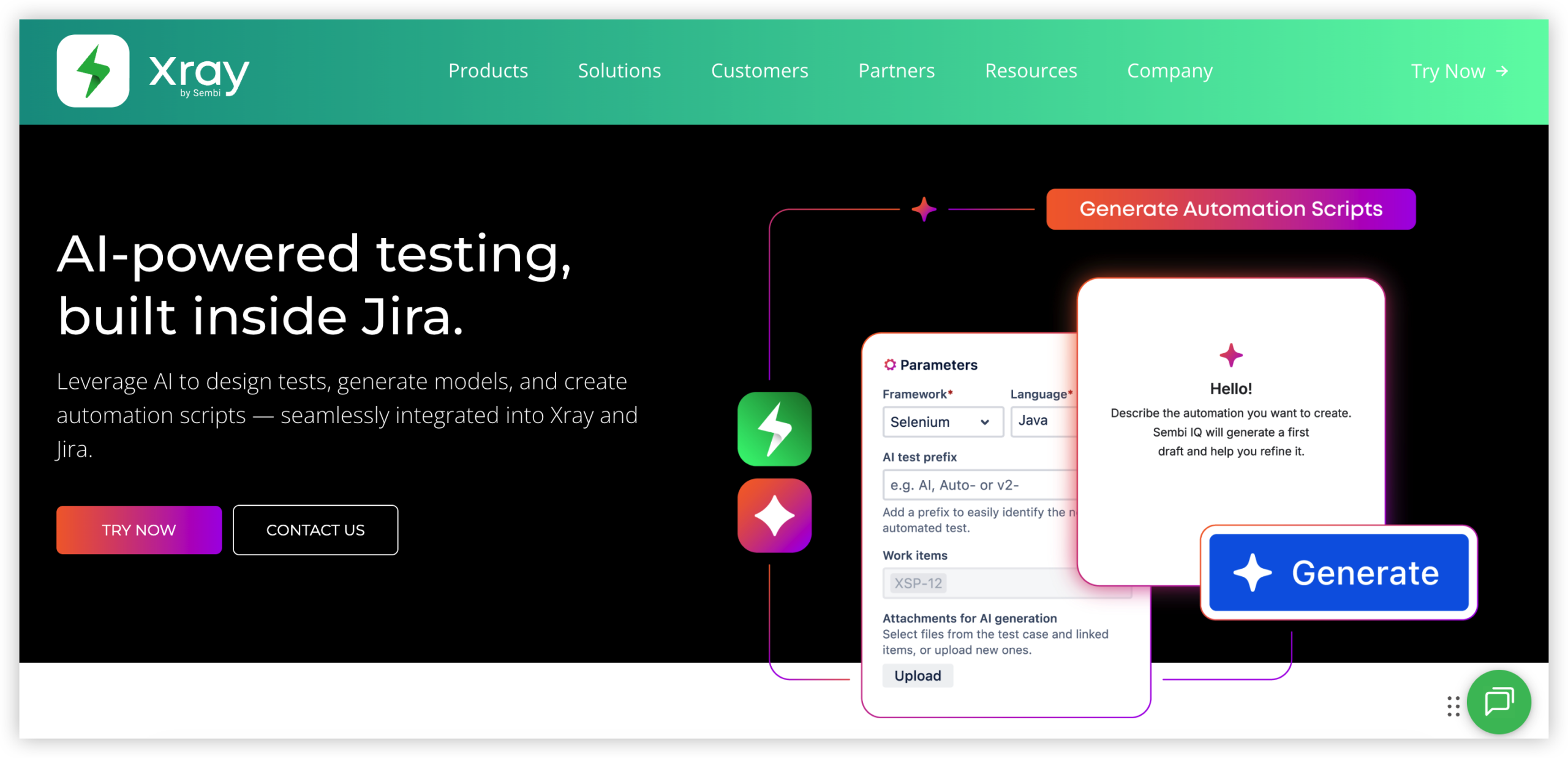
Signs You Should Pilot First
A pilot is sensible when your team has complex permissions, several products, a large testing history, or a mix of manual and automated testing.
Choose one representative project. Include a normal release, a regression cycle, an automated test run, and a management report. Track setup time, user friction, reporting effort, and administration needs.
The best part? A focused pilot reveals hidden costs before they affect every project.
Natural Test Management Solution: ONES.com
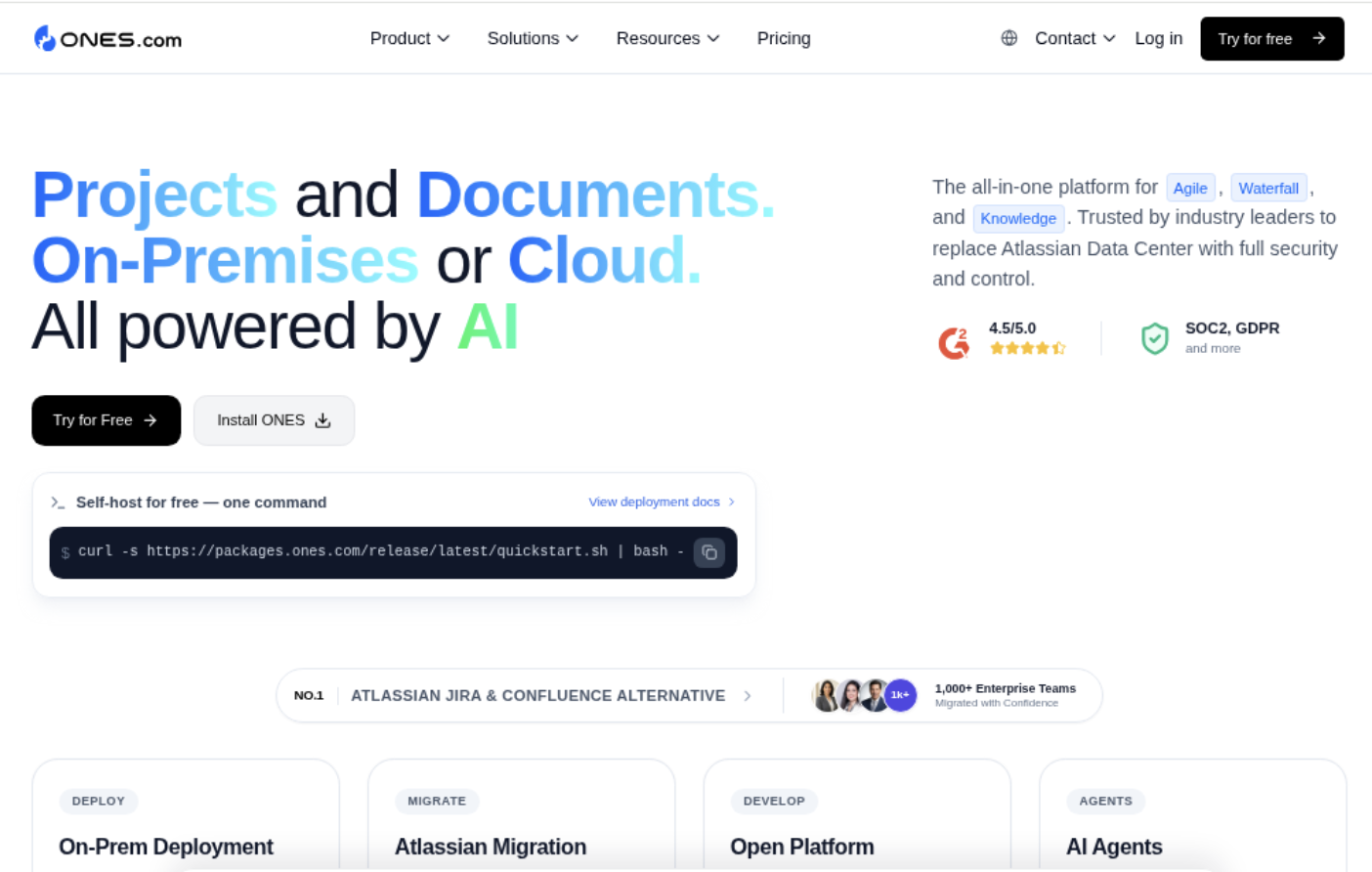
Value Proposition
ONES.com is a unified platform for project management and knowledge management, with ONES Project providing project management capabilities and ONES Wiki providing knowledge management capabilities. ONES Project can serve as a Jira alternative when you want test-related project workflows in a broader project environment.
ONES.com is available in Cloud, On-Premise, Private Cloud, and Air-gapped deployments. A free plan supports up to 30 seats, and the self-hosted versions provide feature parity with the cloud version.
Core Capabilities
- Disconnected project information: Teams may struggle to connect work items, test activities, and delivery progress. ONES Project: Jira-compatible workflows keep project tasks and quality activities connected. Result: Teams can follow progress through one project environment.
- Rigid approval processes: Standard workflows may fail to reflect internal review steps. Custom workflows and fields: Teams can adapt statuses, fields, and approvals to their operating model. Result: Test and release work follows clearer ownership rules.
- Limited sprint visibility: Test work can disappear behind development tasks. Sprint management: Teams can plan, assign, and review work within sprint cycles. Result: Quality activities become visible during delivery planning.
- Manual recurring actions: Repetitive transitions and notifications consume administrator time. Automation: Teams can automate suitable workflow actions and routine updates. Result: Fewer repetitive steps interrupt testing operations.
- Scattered progress reporting: Leaders may need several views to understand delivery health. Built-in reporting: ONES Project provides reporting capabilities within the project environment. Result: Managers can review progress, workload, and risk with less reconciliation.
- Plugin-heavy Jira environments: Several extensions can increase maintenance effort. Native project capabilities: ONES Project includes custom workflows, custom fields, sprint management, automation, and reporting. Result: Teams may reduce reliance on additional plugins for common needs.
- Strict hosting requirements: Some organizations cannot place project information in a public cloud. Deployment choice: ONES.com supports on-premise, private cloud, and air-gapped environments. Result: Security and network requirements can guide deployment selection.
- Separate project and knowledge work: Teams may lose context between delivery activity and internal guidance. ONES.com platform: ONES Project and ONES Wiki address project management and knowledge management separately within the platform. Result: Teams can choose the capabilities they need while keeping a broader platform option available.
Application Scenarios
Regulated engineering team: A team working in a restricted network can evaluate an air-gapped deployment. Project workflows, approvals, sprint planning, and reporting remain available within its controlled environment.
Growing product organization: A company moving beyond a small Jira setup can assess ONES Project as a Jira alternative. It can test custom workflows, automation, reporting, and permission design before expanding across teams.
Distributed delivery group: A team that needs project management and knowledge management can use ONES Project and ONES Wiki separately. This allows the organization to select each capability according to its operating needs.
Common Challenges
Challenge: The Initial Quote Excludes Operating Effort
Problem: A team budgets only for the subscription and discovers that configuration, training, and administration require significant time.
Solution: Add internal labor to the estimate. Record the hours needed for setup, migration, support, reporting, and upgrades.
Challenge: User Growth Changes the Cost
Problem: The initial team fits a lower tier, then new developers, reviewers, or product groups increase the paid user count.
Solution: Create a 12-month and 24-month forecast. Include planned hiring, contractors, and teams that may join later.
Challenge: Reports Require Too Much Manual Work
Problem: Your team can manage tests, yet release reporting still requires manual reconciliation.
Solution: Test the exact reports needed by engineering leaders and release managers during the pilot. Include preparation time in the cost comparison.
Challenge: Customization Becomes Difficult to Maintain
Problem: Teams create many fields, statuses, rules, and integrations without a clear ownership model.
Solution: Establish naming rules, approval ownership, review dates, and a change process before customization expands.
Challenge: The Tool Fits Jira, but the Workflow Does Not
Problem: Existing Jira habits encourage a team to choose an extension even when its quality process needs a different structure.
Solution: Map the complete testing lifecycle first. Then evaluate whether the platform supports that lifecycle with reasonable administration.
FAQs
What determines the total cost of Xray for Jira?
The main factors are your Xray plan, Jira user tier, deployment model, billing term, integrations, administration, training, and expected growth. A cloud subscription may have fewer infrastructure responsibilities, while a self-managed deployment can require internal effort for hosting, upgrades, backups, and security. Calculate the first-year setup cost separately from recurring annual costs so your forecast remains clear.
Is Xray priced separately from Jira?
Usually, you should treat Xray and Jira as separate cost components. Xray operates within the Jira ecosystem, so your planning should include the Jira subscription along with the Xray subscription or license. Confirm how the vendor counts users and how your chosen deployment affects billing before final approval.
Should I choose monthly or annual billing?
Monthly billing can suit a pilot or a team with uncertain growth. Annual billing may make forecasting easier for a stable organization. The right choice depends on adoption confidence, procurement rules, expected user growth, and the cost of changing platforms. Run a pilot before making a long commitment when your workflow is complex.
How can I reduce the overall cost?
Start with a focused scope, remove unnecessary customizations, define administrative ownership, and test reporting early. You can also compare the cost of extra plugins and integration maintenance against a platform with more built-in capabilities. Reducing license cost alone may have little effect if your team spends heavily on manual administration.
When should I consider a Jira alternative?
Consider an alternative when Jira and its testing extensions require too much administration, your deployment requirements are restrictive, or your team needs broader project capabilities. Compare workflow fit, reporting, hosting, automation, migration effort, and total operating cost. A pilot with one representative project gives you stronger evidence than a feature list.
Conclusion
Planning the cost of Xray for Jira requires more than checking a subscription tier. Include Jira, hosting, implementation, integrations, administration, training, reporting, and expected growth.
But here’s the practical takeaway: model the complete first-year cost, run a realistic pilot, and compare operational effort alongside licensing. That approach helps you avoid an attractive starting price that becomes difficult to manage later.
If your team wants a broader project management option, evaluate ONES Project as a Jira alternative. Its deployment choices, built-in reporting, custom workflows, sprint management, automation, and reduced reliance on plugins may change the value calculation for your organization.